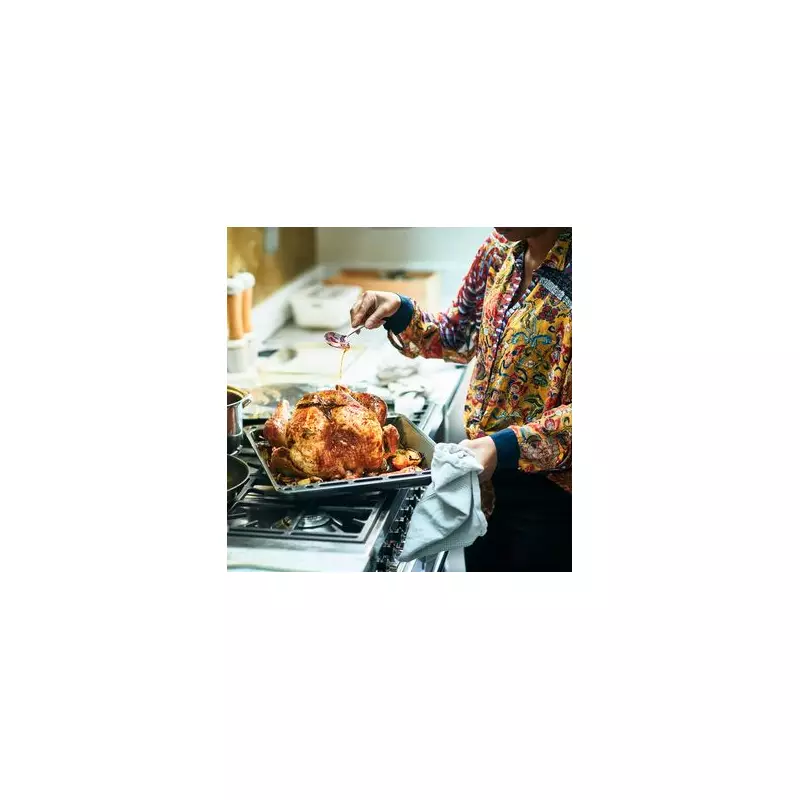
Creating the perfect roast chicken represents a cherished culinary tradition across British households, offering a comforting centrepiece for family gatherings that balances simplicity with impressive results. While many home cooks pursue their own methods for this classic dish, professional chefs have now distilled their collective wisdom into two fundamental steps that guarantee success.
The Universal Consensus from Culinary Professionals
When consulting over ten chefs and culinary specialists about their approaches to roast chicken preparation, a remarkable consensus emerged regarding two non-negotiable stages in the cooking process. Despite variations in seasoning preferences, cooking temperatures, and timing details, nearly all experts emphasised the critical importance of proper preparation before roasting and adequate resting afterwards.
Step One: The Pre-Roast Preparation
The overwhelming majority of chefs advocate for either wet brining or dry salting the chicken well in advance of cooking. This preparatory step, which can be done anywhere from a few hours to twenty-four hours before roasting, fundamentally transforms the final result by ensuring maximum moisture retention and flavour penetration.

Tommy Heaney, chef and proprietor of the acclaimed Heaneys restaurant in Cardiff, explained his approach: "Brine the chicken overnight then place lemon and thyme in the cavity and gently loosen the skin to add a little butter underneath. Roast low and slow to retain moisture, cooking at 100-110°C for three to four hours until the internal temperature reaches 60°C."
Richard Turner, founding chef of the Hawksmoor restaurant chain, offered a vivid analogy: "The secret? Brining. Brining is basically giving your chicken a spa day: a long soak in salty, lemony, herby water that tenderises the meat, locks in moisture, and means you'll never eat dry chicken again."
Step Two: The Post-Roast Resting Period
The second universally endorsed step involves allowing the cooked chicken to rest properly before carving. This crucial resting period enables the meat's juices to redistribute throughout the bird, resulting in more tender, flavourful slices rather than dry, disappointing portions.
Mimi Morley, senior recipe development manager at HelloFresh, emphasised: "Rest! Meat needs to rest to let the muscles relax and reabsorb the juices, it'll be a lot more tender and juicy after it's rested for 15 minutes, trust me!"
Jason Webb, managing director of Electronic Temperature Instruments, provided scientific insight: "Many home cooks aren't aware that chicken continues to cook after it's removed from the oven. How long it's rested for - and most importantly the temperature it's allowed to rise to - makes a massive difference to taste and texture."
Additional Expert Techniques and Variations
While brining and resting formed the universal foundation, chefs offered various supplementary techniques to enhance the final result. Jamie Newman, executive chef at Croeso Pubs, recommended creating a vegetable trivet: "I roughly chop carrots, white onions, and the top of a leek. Those go straight into the base of the roasting tray. They act as a natural trivet, lifting the chicken up so the heat circulates and the juices drip down to create the foundation of a proper gravy."
Michael Forbes, kitchen expert at premium appliance brand AEG, suggested a temperature strategy: "The key to the perfect roast chicken is to start hot at 220°C for twenty minutes, before reducing the heat down to 180°C to finish."
Chef Chuck Hayworth offered a straightforward philosophy: "No need for fancy ingredients. I use a simple dry brine of coarse salt and pepper under the skin and over the top of the bird 24 hours before roasting."
Practical Brining Method
For those new to brining, Mimi Morley provides a simple approach requiring basic ingredients:

- 1 whole chicken
- 2 litres water
- 150g salt (creating a 5-7% salt-to-water solution)
- 75g brown sugar
- 1 orange or lemon
- Handful of peppercorns
- Optional fresh herbs
Method: Place the chicken in a large container, clean bucket, or brining bag. Add the brine mixture, ensuring the chicken is fully submerged. Refrigerate for approximately twelve hours, then remove the chicken, pat dry thoroughly, and proceed with your preferred roasting method.
The collective wisdom from these culinary professionals demonstrates that achieving roast chicken perfection doesn't require complex techniques or expensive ingredients. By focusing on these two fundamental steps - proper pre-roast preparation through brining or salting, followed by adequate resting after cooking - home cooks can consistently produce impressive results that rival professional kitchens.