








Entertainment

BBC Revives Iconic Snooker Show Big Break After 24 Years
Big Break returns to BBC after 24 years, with Paddy McGuinness and Stephen Hendry as hosts. The show will air 20 episodes on BBC Two and iPlayer.





Politics

Pro-Palestinian Protesters Wave Hezbollah Flag in Jewish NYC Neighborhood
Pro-Palestinian protesters marched through a historically Jewish Brooklyn neighborhood, waving Hezbollah flags and hurling anti-Semitic slurs. Four arrests were made, and an officer was injured.



Sports

Barry Bannan's Wife Sparks Millwall Exit Row With Neil Criticism
Chloe Bannan criticized Millwall boss Alex Neil on X after play-off loss to Hull, suggesting husband Barry wants to leave. She later deleted her account amid fan backlash.



Crime
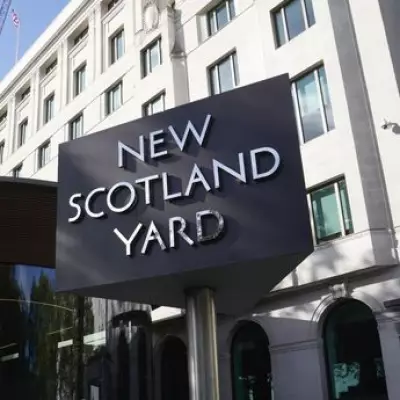
TV Chef Arrested on Suspicion of Rape and Sexual Assault, Released on Bail
A TV chef was arrested on suspicion of rape and sexual assault last month, questioned at a central London police station, and released on bail as investigations continue.







Health





Weather

Met Office Maps: 18 Areas Bracing for Heavy Downpours Wednesday
Met Office weather maps reveal 18 UK areas set for heavy rain and snow on Wednesday, with wintry precipitation across Scotland and northern England.

Arctic Blast to Bring Snow to 13 UK Areas Tomorrow
The Met Office warns of an Arctic blast hitting the UK on Wednesday, with snow forecast in Scotland, northern England, and parts of Wales as temperatures plummet.

Arctic Winds to Bring Freezing Temperatures and Frost to UK
An Arctic air movement will cause a cold snap across the UK this week, with overnight lows near freezing and frost expected. Daytime temperatures may not reach double figures in some areas.

Sudoku 7309 Medium: May 12 Puzzle Challenge
Test your logic with Sudoku 7309, a medium-difficulty puzzle from The Guardian. Fill the grid so each row, column, and 3x3 box contains digits 1-9.
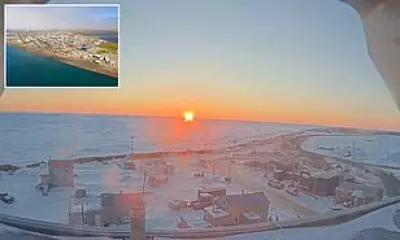
Utqiaġvik Begins 84 Days of Midnight Sun
Utqiaġvik, Alaska, the northernmost US city, has begun its midnight sun season with 84 consecutive days of daylight, lasting until August 2.
Monday Sports Challenge: Football, Cricket & Rugby Questions
Start your week with our Monday sports quiz featuring 100 questions about British football, cricket, and rugby. How well do you know these popular UK sports?
