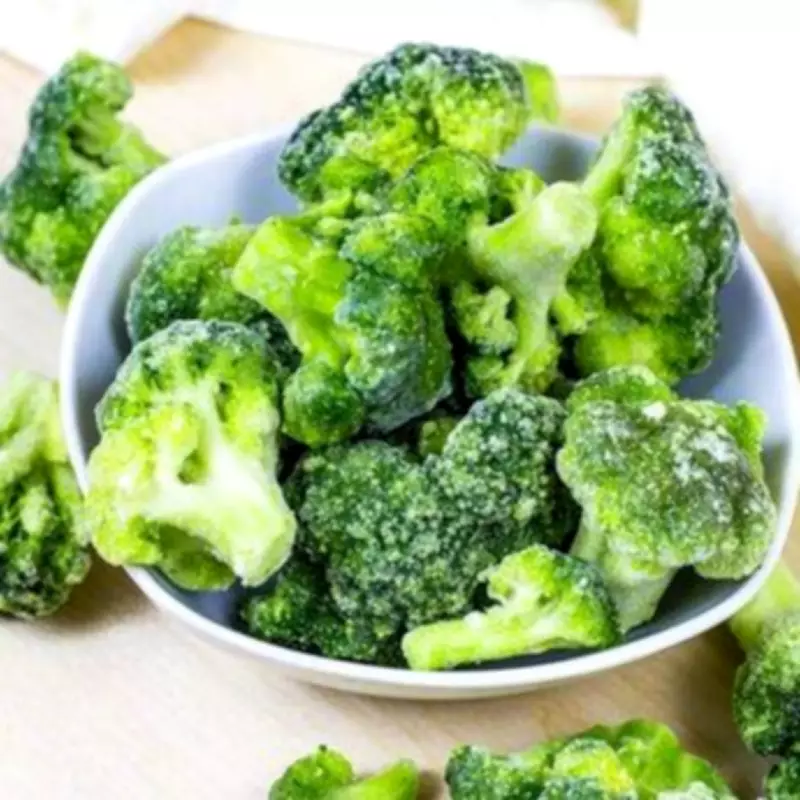
While fresh vegetables often take pride of place in our kitchens, having a bag of frozen broccoli stashed in the freezer can be an absolute lifesaver during those hectic weeknights when dinner plans unravel. However, many home cooks find that conventional preparation methods for frozen broccoli—such as boiling, steaming, microwaving, or pan-frying—frequently lead to disappointing, waterlogged results that lack both texture and flavour.
The Expert-Approved Alternative to Soggy Broccoli
According to food specialists at Simply Recipes, there exists a remarkably straightforward two-step technique that completely revolutionises how we cook frozen broccoli. This method not only prevents the vegetable from becoming soggy but actively helps it achieve a delightfully crispy and caramelised finish. The culinary professionals strongly advocate for roasting, emphasising that this approach is both surprisingly quick and incredibly effective.
Why This Method Works So Brilliantly
Since frozen broccoli undergoes blanching before the freezing process, it arrives in our freezers already partially cooked. This crucial detail means it requires significantly less oven time compared to fresh florets, making it an ideal candidate for this roasting technique—though the method works wonderfully for fresh broccoli too.

The experts elaborated: "You can use this technique for tender-crisp broccoli or get roasty toasty broccoli with tons of better flavour." They recommend beginning by preheating both your oven and a sturdy baking tray to 220°C (200°F or Gas Mark 7), which they identify as the optimal temperature for roasting either fresh or frozen broccoli successfully.
The Simple Two-Step Roasting Process
Once your oven and tray have reached the proper temperature, spread the frozen broccoli evenly across the hot surface using a spatula. Here comes the critical first step: resist all temptation to season or oil the broccoli at this initial stage. Instead, roast the plain frozen florets undisturbed for 12 to 15 minutes.
After this initial roasting period, remove the tray from the oven. Now is the moment to drizzle the broccoli with your preferred oil, add your chosen seasonings—whether that's garlic, herbs, spices, or simply sea salt and black pepper—and toss everything together thoroughly. The broccoli will develop that beautiful golden, crispy exterior during this final roasting phase.
Customising Your Roasting Time
The total roasting duration can be easily adjusted according to personal preference. The experts note that an additional five minutes of cooking will yield "tender-crisp broccoli that tastes more like steamed," while extending the time by a further ten minutes will "caramelise the broccoli, giving it a sweet, charred flavour" that many find particularly delicious.
The Science Behind the Technique
So what makes this two-step approach so remarkably effective? During that initial roasting phase without oil or seasoning, the plain broccoli properly defrosts and then begins to bake, allowing all excess moisture—including any ice crystals that may have formed during freezing—to evaporate completely.
Adding oil before this crucial drying-out process creates a barrier that traps ice crystals and excess moisture against the broccoli's surface, inevitably resulting in that soggy texture so many of us have experienced. By allowing the broccoli to release its moisture and heat through properly first, then introducing oil and additional seasonings, we enable the caramelisation process to occur optimally, creating that desirable crispy texture and enhanced flavour profile.
This expert-approved method transforms frozen broccoli from a last-resort vegetable into a culinary highlight, proving that with the right technique, freezer staples can deliver restaurant-quality results right in your own kitchen.