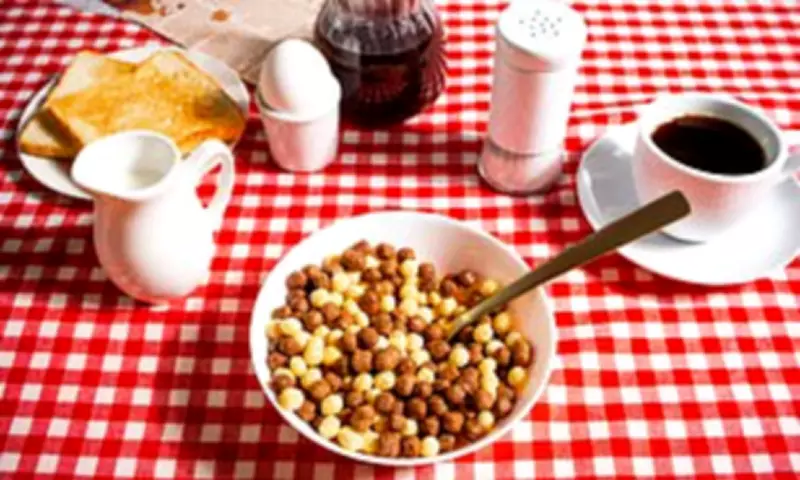
Nutrition Experts Reveal Worst Food Pairings That Block Nutrient Absorption
Experts have unveiled the most detrimental food combinations for nutrient absorption, delivering unwelcome news for those who enjoy a morning coffee with their breakfast. While consuming the correct nutrients might appear straightforward through eating appropriate foods, the reality proves considerably more intricate.
The manner in which you combine different foods can be equally as crucial as the specific items you consume. Certain pairings can unlock nutrients otherwise trapped within ingredients, yet others actively inhibit each other, potentially leaving you devoid of the nutritional advantages from either component.
Common Breakfast Habit Could Be Harming Your Health
From coffee paired with iron-rich breakfast cereals to leafy spinach alongside cheese, these everyday combinations might be undermining your otherwise wholesome diet. According to food specialists at Which?, merging the wrong foods could impede your body's innate capacity to absorb iron, calcium, zinc, and vitamin B.

If you maintain a generally healthy diet, excessive concern may be unnecessary. However, for individuals deficient in specific minerals or vitamins, these pairings could be depriving them of beneficial nutrients. Below are the nutrient-blocking food combinations to avoid and the absorption-enhancing alternatives to consider.
The Worst Offenders for Nutrient Blockage
A cup of tea or coffee accompanied by a bowl of cereal ranks among the most prevalent ways to commence the day. Regrettably, your morning beverage likely prevents you from reaping the complete benefits of your nutrient-dense breakfast.
Polyphenols and tannins present in tea and coffee serve as excellent antioxidants, but they bind with iron within your digestive tract. This process renders the molecule too large for effective absorption, posing particular problems for vegetarians who depend on plant-based iron sources.
The remedy involves simply staggering your caffeine consumption so it does not coincide with meal times. Research indicates that consuming tea or coffee approximately one hour before or after eating minimally affects iron uptake, whereas drinking during meals substantially reduces absorption.
Leafy Greens and Dairy: A Problematic Combination
Another frequent food pairing that may obstruct nutrient intake combines leafy greens with calcium-rich foods like cheese. Oxalate-rich vegetables such as spinach can actually hinder calcium absorption by binding with it in your gut.
Leafy vegetables including spinach, Swiss chard, and beet greens naturally contain high levels of chemicals called oxalates. These oxalates bind with calcium, forming compounds too large for efficient absorption into the bloodstream. Consequently, if you relish a spinach and feta spanakopita, you probably aren't extracting the full nutritional value from your cheese.
To diminish the amount of calcium that becomes blocked, you can steam your greens beforehand, which significantly lowers their oxalate content. Nevertheless, this pairing represents a double-edged sword, since any oxalates not bound to calcium will travel through the gut into the kidneys, where they may form kidney stones.
Therefore, if you are particularly susceptible to kidney stones, it remains worthwhile to pair your greens with a calcium source like cheese.
Alcohol and Meat: A Disappointing Discovery
Perhaps most dishearteningly, a fine glass of wine alongside a steak actually constitutes a terrible pairing for nutrient absorption. The issue stems from alcohol in wine or beer damaging cells within the digestive tract responsible for absorbing specific nutrients.
Particularly, research demonstrates this impairment affects the uptake of vitamin B1, B12, and folic acid. These nutrients happen to be abundantly present in red meat and fish. Unfortunately, no straightforward solution exists beyond refraining from drinking during meals or taking vitamin supplements when you aren't consuming alcohol.
Beneficial Food Pairings That Enhance Nutrition
However, the situation isn't entirely bleak, as several delicious food combinations actually help extract more nutrients from your meals. While pairing spinach and cheese might be inadvisable, spinach with lemon represents an excellent alternative.

Spinach and lentils contain a type of iron called non-heme iron, contrasting with the heme iron found in meat. Non-heme iron typically proves less readily absorbed because it binds with other compounds in the gut, yet vitamin C can assist in breaking it down into a more easily absorbed form.
Thus, adding a squeeze of lemon or lime juice to your spinach can render it considerably more nutritious. Additionally, in welcome news for home cooks, healthy fats like olive oil serve as superb nutritional partners for most vegetables.
Vitamins A, D, E, and K are all fat-soluble, meaning the body can absorb them more effectively when combined with a fat-based 'carrier'. Incorporating some dietary fat into your cooking helps dissolve these vitamins so they become absorbable by the body.
This means drizzling a little olive oil over roast carrots will enhance your vitamin A intake, while adding avocado to a kale salad will facilitate greater vitamin K absorption. Understanding these nutritional dynamics can help you maximise the benefits from your dietary choices.