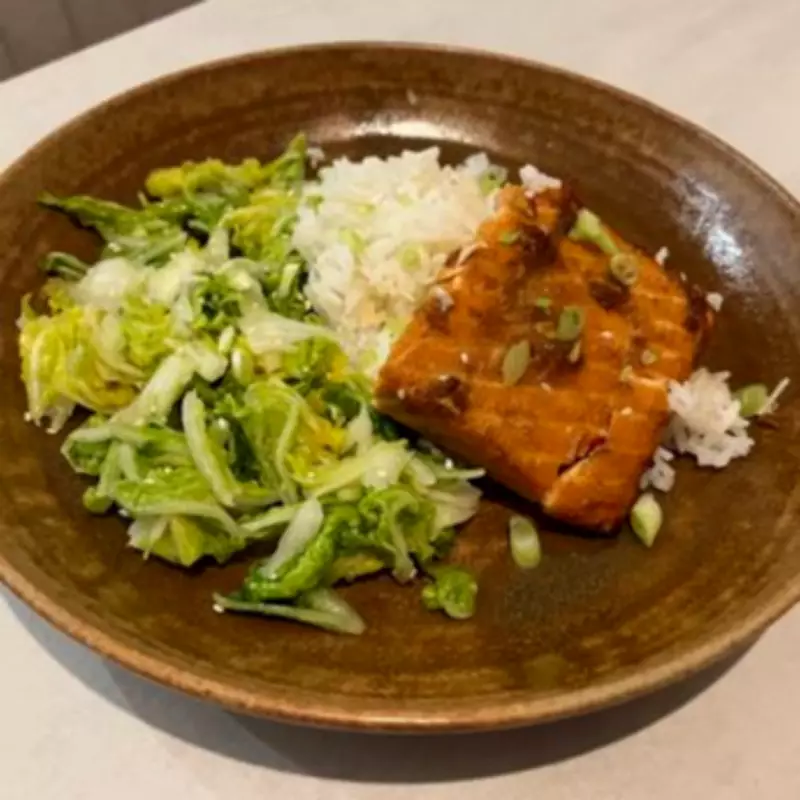
In many kitchens, cabbage is often overlooked, relegated to occasional coleslaw or hearty stews. Yet, with its satisfying crunch and vibrant colour, this affordable and easily-found vegetable deserves far more attention. Enter Yamitsuki, a simple Japanese side dish whose name translates to 'addictive' – and for good reason.
What is Yamitsuki?
Yamitsuki is a humble yet compelling Japanese side dish made primarily with Chinese leaf cabbage, sesame oil, ginger, and garlic. It's a regular fixture in Japanese pubs, where its fresh, crisp qualities perfectly balance out heavier, greasier dishes. The recipe's brilliance lies in its simplicity: with just three ingredients aside from the cabbage, it's wonderfully straightforward to prepare yet delivers a flavour profile that's surprisingly moreish.
The Japanese Twist: Salting the Cabbage
The key step that gives this cabbage its distinctive character is salting it first. This technique is an absolute stroke of genius. The salt works its magic by softening and seasoning those delicate, frilly leaves without erasing their essential crunch. After tearing the cabbage into pieces, it's sprinkled with kosher salt (which is less salty than sea salt), left to wilt for about ten minutes, then thoroughly rinsed.

This process transforms the cabbage, making it tender yet retaining a pleasant bite. It's crucial to give the cabbage a proper rinse to wash away the salt; in testing, even with dialled-back salt from the original recipe, the cabbage can still be a touch too salty if not rinsed well. The result is wilted yet crisp leaves, ready to be tossed with a minimal amount of nutty, garlicky dressing.
The Recipe: How to Make Addictive Cabbage
This recipe has been adapted from The League of Kitchens Cookbook. While the preparation involves some hands-on steps – tearing the cabbage by hand, washing, and drying – the outcome is undoubtedly worth the effort. Served alongside dishes like homemade salmon teriyaki and fluffy jasmine rice, it becomes a standout component of any meal.
Ingredients
- One Chinese leaf cabbage or Taiwanese flathead cabbage if available
- Two teaspoons kosher salt (such as Diamond Crystal) and pepper to taste
- One tablespoon ginger, finely grated
- Two garlic cloves, finely grated
- Two tablespoons toasted sesame oil
- One tablespoon untoasted sesame seeds
Note: This recipe calls for kosher salt because it is less salty. If using sea salt, halve this amount to one teaspoon.
Method
- Remove or trim any damaged or withered areas or outer leaves. Cut the cabbage in half and use a knife to remove the white core at its base.
- Tear the cabbage leaves into pieces about 3cm wide. Chop stems into thin slices about 1/4 inch wide.
- Rinse and drain cabbage. Place cabbage into a mixing bowl and sprinkle salt on the leaves. Use your hands to spread the salt over the leaves. Leave for 10 minutes.
- For the dressing: combine ginger, garlic and sesame oil and whisk together. Add black pepper to taste.
- The cabbage should now be wilted. Taste a piece by rinsing it under water before trying to ensure saltiness is balanced.
- Thoroughly rinse salt off cabbage and drain. The cabbage does not have to be totally dry but should not be dripping wet. Using a salad spinner to dry the pieces, then a tea towel to gently squeeze out further water, works well.
- Toss the cabbage with the dressing and sprinkle with sesame seeds.
Why This Dish Works
The appeal of Yamitsuki lies in its textural contrast and flavour depth. The salting process not only seasons the cabbage but also breaks down its fibres slightly, making it more palatable while preserving its essential crunch. The dressing, with its aromatic ginger, pungent garlic, and nutty sesame oil, clings to the leaves, creating a harmonious blend that's both light and intensely flavourful.

Finding Chinese leaf cabbage, available at supermarkets like Sainsbury's, makes this dish accessible. The act of tearing the cabbage by hand, rather than chopping, adds to the rustic charm and ensures uneven pieces that capture the dressing beautifully. Despite the washing and drying stage being a bit of a faff, the final product – wilted yet crisp leaves drenched in that minimal, flavour-packed dressing – is a testament to the power of simple, well-executed ingredients.
In a culinary landscape often dominated by complex recipes, Yamitsuki stands out as a reminder that sometimes, the most addictive dishes are the simplest ones. It's a side dish that might just make you reconsider the humble cabbage's place in your kitchen.