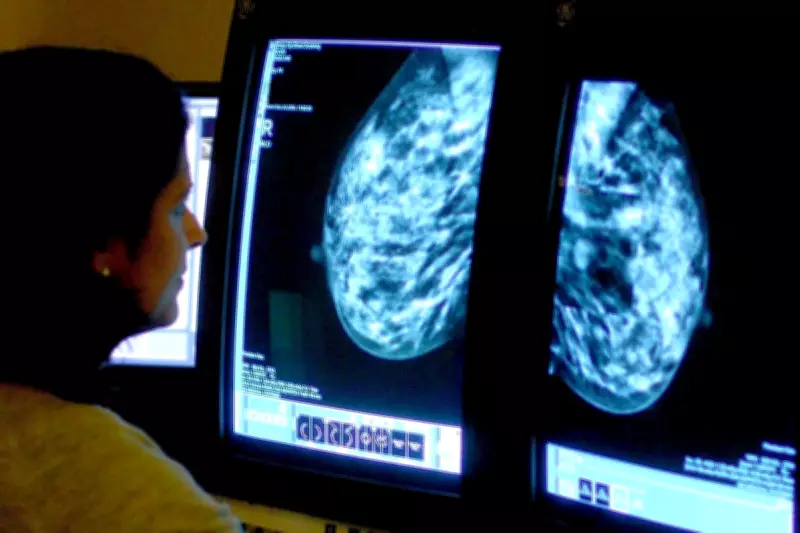
A groundbreaking study has demonstrated that incorporating artificial intelligence into breast cancer screening programmes results in significantly fewer aggressive and advanced cancer cases being diagnosed. The research, which represents a major step forward in oncology diagnostics, reveals how AI technology could revolutionise national screening efforts and improve patient outcomes across the United Kingdom.
Transforming Cancer Detection with Artificial Intelligence
Current NHS breast cancer screening protocols require two specialist radiologists to examine each mammogram, a process that creates substantial workload pressures and can result in women waiting weeks for their results. The Swedish trial, involving 100,000 participants over two years, has shown that AI-supported screening could safely reduce this requirement to just one specialist while simultaneously improving detection accuracy.
Impressive Trial Results and Statistical Improvements
The randomised control trial, published in the prestigious Lancet medical journal, produced compelling evidence of AI's potential in cancer diagnostics. Researchers observed a 16% reduction in invasive cancers, a 21% decrease in large tumours, and a remarkable 27% drop in aggressive cancer subtypes within the AI-supported screening group compared to traditional double-reading methods.

Cancer detection rates increased by almost one-third without any corresponding rise in false positive results, addressing a longstanding concern about screening accuracy. Furthermore, 81% of cancer cases were detected during screening in the AI group, compared to 74% in the control group using standard radiologist examination.
Addressing Radiologist Workload and Patient Anxiety
Dr Liz O'Riordan, a retired breast surgeon who has personally experienced breast cancer, highlighted the psychological impact of current waiting times. "The anxiety can be crippling for women who are thinking the worst," she told The Independent. "If AI-reading is proven to be accurate, speeds up the process so women get their results quicker, and frees up radiologists to do other cancer-related tasks like image-guided biopsies, it can only be a good thing."
The AI system underwent extensive training with over 200,000 examinations from institutions across more than ten countries before being deployed in the Swedish trial. It functioned by analysing mammograms and triaging cases according to risk level, with low-risk cases directed to single reading and high-risk cases to double reading by radiologists, while also highlighting suspicious findings for specialist attention.
UK Implementation and Future Prospects
The United Kingdom is currently conducting its own substantial trial involving 700,000 women through the Early Detection using Information Technology in Health (EDITH) programme, which launched in February last year. This cutting-edge initiative aims to determine how AI tools can be implemented within NHS screening services to detect breast cancer at earlier stages, potentially saving additional lives and reducing waiting list pressures.
Study author Jessie Gommers from Radboud University Medical Centre in the Netherlands emphasised the practical benefits: "Our results potentially justify using AI to ease the substantial pressure on radiologists' workloads, enabling these experts to focus on other clinical tasks, which might shorten the waiting times for patients."
Dr O'Riordan expressed optimism about the UK trial outcomes, noting: "It's great to see the results of this trial that show AI-supported mammogram reading is comparable to the current standard of double reading, and that it is now being considered for widespread use in Sweden. I hope the results of the UK EDITH trial will be just as positive."
Historical Context and Screening Impact
Breast cancer survival rates have improved dramatically in recent decades, with current statistics showing approximately one in twenty people die from the disease compared to more than one in seven during the 1990s, according to Breast Cancer Now. Routine screening already prevents around 1,300 breast cancer deaths annually in the UK, but the integration of AI technology promises to enhance these life-saving efforts further.

The Swedish research represents a significant advancement in medical technology application, demonstrating how artificial intelligence can complement rather than replace human expertise in critical healthcare settings. As healthcare systems worldwide face increasing demands, such technological innovations offer promising solutions for maintaining and improving service quality while managing resource constraints effectively.