A mother's casual photograph during bath time led to a life-altering discovery, after she spotted an unusual white glow in her baby daughter's eye that signalled a rare and aggressive cancer.
The fateful flash that changed everything
Bronte Richards, 32, from Llanhilleth in Wales, first noticed something amiss with her eight-month-old daughter Raye's eye while she sat in her high chair, but dismissed it as a reflection from the kitchen lights. The concern resurfaced weeks later in December 2024.
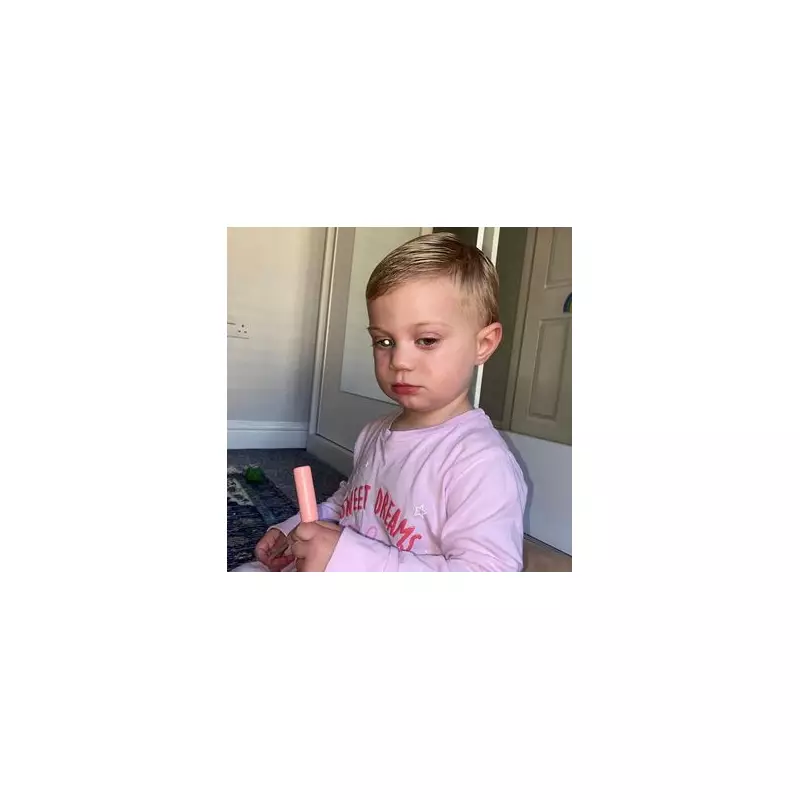
While Raye played in the bath with her nine-year-old brother Dawson, Bronte took a picture. The flash fired unexpectedly, and in the resulting image, Raye's right eye glowed an eerie white, while her left eye and her brother's eyes showed the normal red-eye effect.

"When the doctor told me that Raye had cancer, I was shocked," Bronte recalled. "I had prepared myself for her to be fine... I immediately thought she was going to die."
A difficult path to diagnosis
Alarmed by her research, Bronte took Raye to her GP, who initially reassured her. Still worried, she sought a second opinion at a local optician just before Christmas. There, a quick examination revealed Raye did not flinch when a light was shone in her right eye, prompting an urgent referral.
After a festive period filled with dread, Raye was seen at Royal Gwent Hospital on January 2, 2025. An eye specialist first suggested a stretched retina, but days later, a senior consultant delivered the shattering news.
"He did an in-depth examination and said, 'I'm so sorry, Raye has retinoblastoma, her tumours look aggressive'," Bronte explained. "I remember just falling to the floor, holding my baby."
Treatment and a hopeful future
Raye was transferred to Birmingham Women’s and Children’s Hospital, where doctors confirmed she had bilateral retinoblastoma, meaning cancer was present in both eyes. The infant then endured six gruelling months of chemotherapy, ending in June 2025, to shrink the tumours, followed by ongoing laser therapy to manage the disease.
"Raye is doing amazing now," Bronte said. "She responded so well to chemotherapy. She has little to no activity in her tumours... She is navigating life with just one working eye, and you can tell because she is reaching all her milestones."
Richard Ashton, chief executive of the Childhood Eye Cancer Trust (CHECT), emphasised the critical lesson from Raye's ordeal. "Raye's story shows the importance of retinoblastoma awareness among health professionals," he stated, urging anyone with concerns to visit a GP or optician promptly.
This family's experience underscores a vital message for all parents: the simple act of noticing a white glow in a child's eye in photos can be a crucial early sign of a serious condition, making vigilance potentially life-saving.