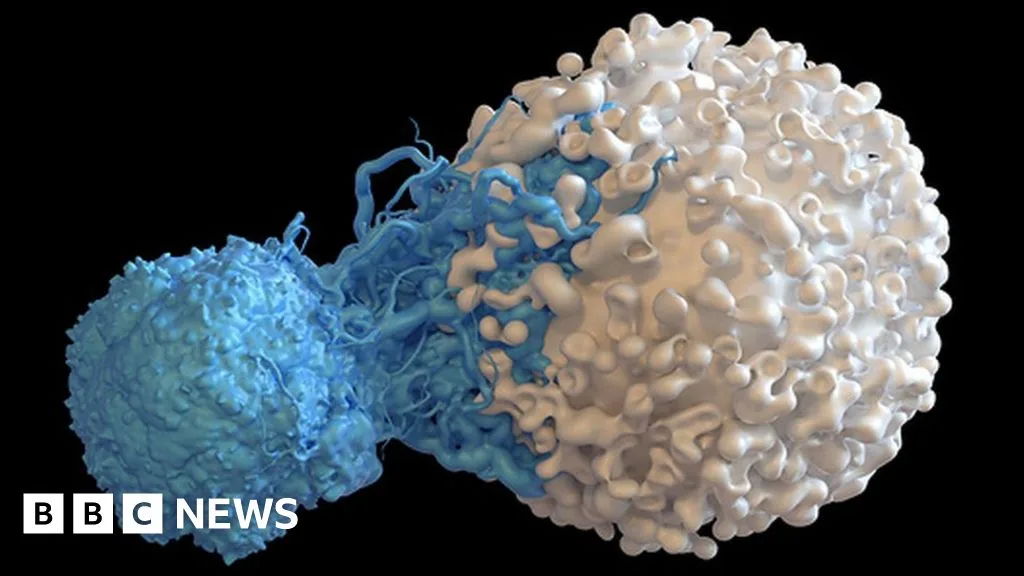
Scientists in Scotland have made a pivotal discovery that could lead to new, targeted treatments for some of the most challenging forms of bowel and liver cancer. The breakthrough centres on understanding how specific genetic faults hijack the body's internal growth signals to fuel tumours.
Hijacking the Body's Growth System
The research, conducted by a team at the Cancer Research UK Scotland Institute in Glasgow, focused on a crucial cellular communication route known as the WNT pathway. This system normally tells cells when to grow and when to stop. However, certain genetic errors allow cancers to seize control of this pathway, instructing cells in the intestine and liver to multiply uncontrollably.
Publishing their findings in the prestigious journal Nature Genetics, the team identified a specific protein, nucleophosmin (NPM1), that is found at high levels in bowel cancers and some liver cancers where these WNT pathway faults exist. NPM1 plays a key role in protein production within cells, and cancer exploits it to sustain its rampant growth.
A Promising and Safer Target for Treatment
The most promising aspect of the discovery is that blocking the NPM1 protein could stop these cancers in their tracks without severely harming healthy tissue. Professor Owen Sansom, director of the Cancer Research UK Scotland Institute and the University of Glasgow, who led the project, explained the significance.
"Because NPM1 isn't essential for normal adult tissue health, blocking it could be a safe way to treat certain cancers, like some hard-to-treat bowel and liver cancers," said Professor Sansom. "We found that if NPM1 is removed, cancer cells struggle to make proteins properly and this allows a tumour suppressor to activate, preventing cancer growth."
This research was part of the international SpecifiCancer project, co-funded by Cancer Research UK and the Mark Foundation for Cancer Research, which aims to understand why some cancer-causing genes only trigger disease in specific organs.
Addressing a Critical UK Health Challenge
The findings are particularly urgent for the UK, where Scotland has some of the highest rates of bowel and liver cancer. Approximately 4,200 people in the UK are diagnosed with bowel cancer each year, and it remains the second most common cause of cancer death in Scotland, claiming around 1,700 lives annually. Liver cancer leads to about 670 deaths per year in Scotland.
Worryingly, a recent study highlighted that early-onset bowel cancer rates in adults aged 25-49 are rising globally, with increases among young women in Scotland and England being faster than in young men.
"Increasing numbers of people are affected by these cancers, with some treatments unfortunately limited for some patients, so finding a new way to tackle these cancers is crucial," emphasised Professor Sansom.
The research team now aims to develop medical treatments that can effectively block the production of the NPM1 protein. If successful, this could provide a new, safe, and effective weapon against these specific cancers. While the current study focused on bowel and liver cancers, the principles could potentially apply to other cancer types.
Dr David Scott, director of Cancer Grand Challenges, hailed the work: "Scientific breakthroughs like this demonstrate the power of Cancer Grand Challenges to bring together the world's best minds to transform our understanding of how cancer starts and, crucially, how we treat it."