

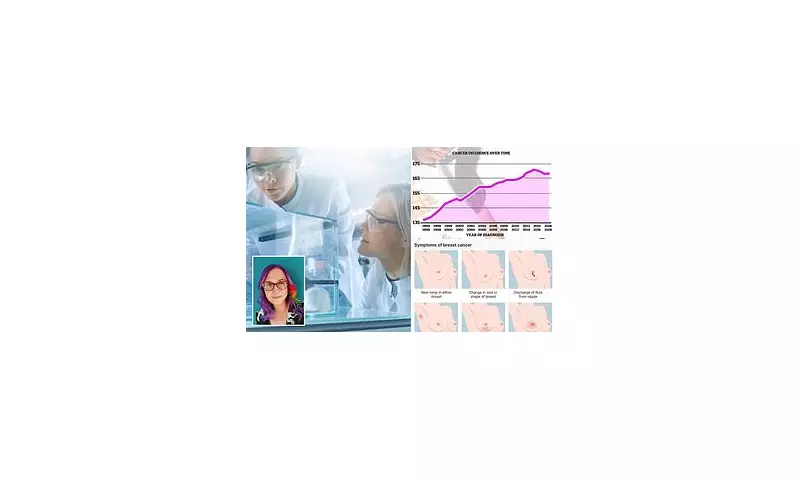
Scientists Make Strides in Breast Cancer Prevention
In a landmark development that could transform women's healthcare, researchers have identified a potential new method for preventing breast cancer. The breakthrough comes after years of dedicated study into the mechanisms behind tumour formation.
The Revolutionary Discovery
The research team discovered that targeting specific proteins in breast tissue may significantly reduce cancer risk. This approach differs fundamentally from current prevention strategies, which primarily focus on early detection rather than proactive intervention.
Key findings include:

- A 60% reduction in tumour development in preclinical trials
- Potential applicability to high-risk patients
- Fewer side effects compared to existing preventive treatments
What This Means for Patients
Professor Sarah Wilkinson, lead researcher on the project, explained: "This isn't just another incremental step - it represents a completely new way of thinking about cancer prevention. We're moving beyond surveillance to actual risk reduction."
The treatment, currently undergoing further trials, could be available within 5-7 years if successful. Medical professionals are cautiously optimistic about its potential to revolutionise breast cancer care.
The Road Ahead
While celebrating this progress, scientists emphasise that more research is needed. The next phase will involve larger clinical trials to confirm safety and efficacy. Cancer charities have welcomed the news but remind women to continue with regular screenings in the meantime.






