Medical professionals are highlighting a crucial but often overlooked early indicator of lung cancer that appears not in the chest, but on the fingertips. Known as finger clubbing, this symptom can be a vital warning sign of the disease, which is notoriously difficult to detect in its initial stages.
What is finger clubbing and how to check for it
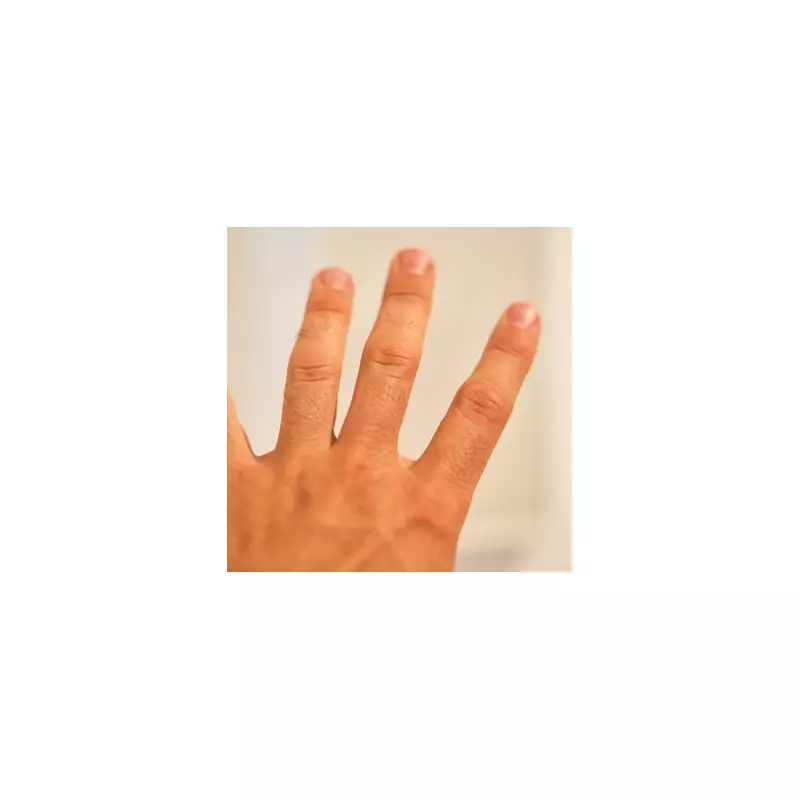
Doctors advise a simple at-home check to spot potential finger clubbing. When you press the nails of your corresponding fingers together, you should see a small, diamond-shaped gap of light at the base. If this 'diamond window' is absent, it could signal that the ends of your fingers are beginning to swell, a condition medically termed clubbing.
This change typically develops in stages. Initially, the base of the nail may soften, and the skin next to the nail bed can become shiny. Following this, the nails may start to curve more dramatically when viewed from the side. The final stage involves a noticeable enlargement and swelling of the fingertips, caused by a build-up of fluid in the soft tissues.

Why early detection of lung cancer symptoms is critical
Lung cancer is particularly dangerous because symptoms frequently do not emerge until the disease has advanced. While common signs include a persistent cough, breathlessness, wheezing, or coughing up blood, finger clubbing can be a less recognised early red flag.
Brian Gemmell, a lung cancer patient whose only initial symptom was finger clubbing, strongly urges people to act on any concerns. "Go and see your doctor if you've got anything that you're concerned about – that's what a GP is for. Go as soon as you can," he stresses.
This advice is echoed by West Lancashire GP, Dr Helen Piercy, who recommends: "If you notice any signs or symptoms that concern you, see your GP. First phone for an appointment. You will be assessed. You will be invited in, if you need to be seen face-to-face. Don't be afraid. Pick up the phone."
Other key symptoms of lung cancer to watch for
It is important to remember that lung cancer presents differently in every individual. Some people experience multiple symptoms, while others have none at all in the early phases. The absence of the diamond gap does not definitively mean you have cancer, but it warrants a medical consultation.
Key lung cancer symptoms to be aware of include:
- A cough that changes or gets worse, particularly one lasting three weeks or more.
- Coughing up blood or blood in your phlegm.
- Persistent breathlessness or wheezing.
- Unexplained fatigue or lack of energy.
- Chest or shoulder pain.
- Frequent chest infections.
- Hoarseness or swelling in the face or neck.
Spotting these symptoms early can lead to a sooner diagnosis and access to treatment, significantly improving outcomes. If you or someone you know is experiencing any of these signs, especially finger clubbing, contacting a GP is the essential first step.