Four Common Cruise Illnesses Experts Warn About This Summer

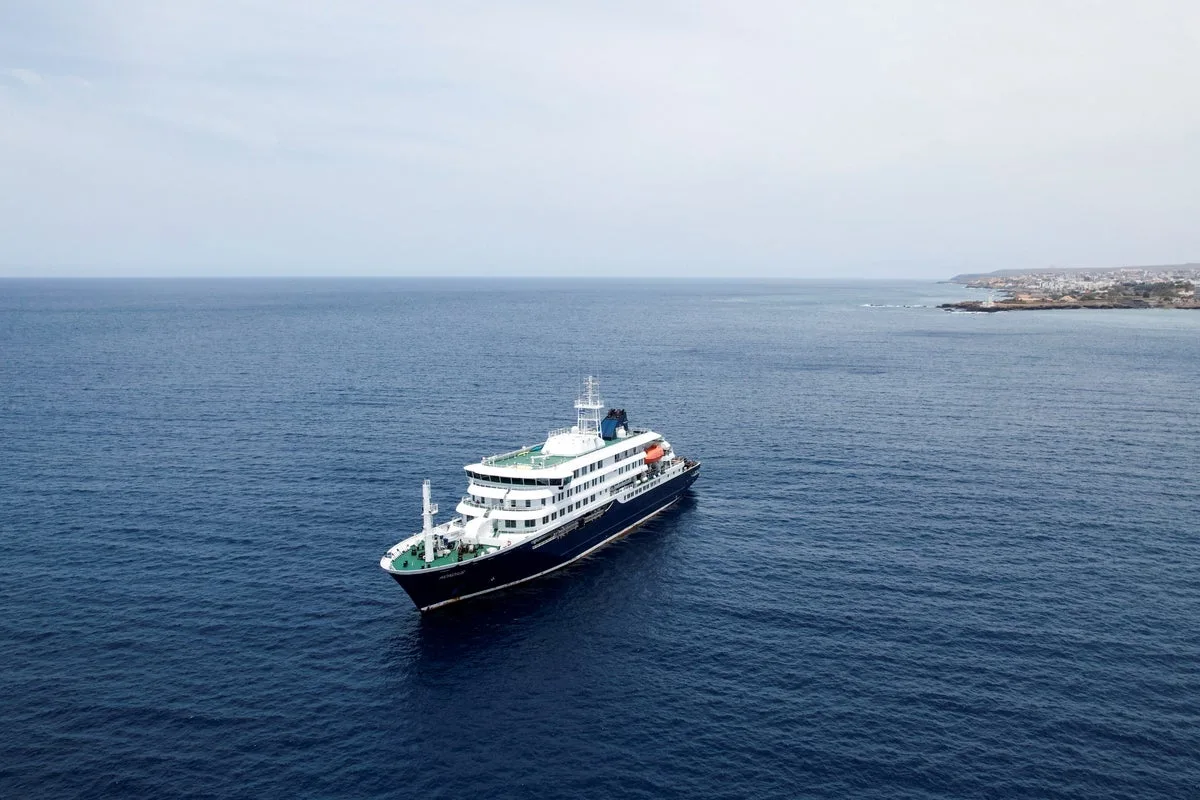
Recent reports of a deadly hantavirus outbreak on a Dutch cruise ship off West Africa have raised concerns about disease transmission during summer travel. Three passengers have died, and three others are receiving medical care, though only three cases have been confirmed. The MV Hondius, operated by Oceanwide Expeditions, carries 17 Americans, including travel blogger Jake Rosmarin.

While cruising is generally safe, experts note that ships are dense, semi-closed ecosystems where thousands share space, food, air, and surfaces over several days. Virologist Raymond Alvarez told The New York Post that this environment facilitates germ spread. However, hantavirus is not the most common illness passengers face. Here are four key cruise-related illnesses to know.

Norovirus

Norovirus caused most cruise outbreaks in the past year, according to the U.S. Centers for Disease Control and Prevention's Vessel Sanitation Program. It was responsible for one of this year's three outbreaks and 18 last year, marking the highest number of outbreaks from U.S. ports in 12 years. Symptoms include vomiting and diarrhea, which can lead to dehydration and, rarely, death. Most recover with fluids and rest. Norovirus accounts for 90 percent of diarrheal disease outbreaks on cruise ships, spreading via contaminated food, water, infected passengers or crew, or environmental contamination. The virus can persist on surfaces for days or weeks and resists many common disinfectants. Infected individuals can spread it for two weeks after symptoms appear. Hand washing with soap and water is crucial, as hand sanitizer is not a substitute, according to Vikram Niranjan of the University of Limerick.

Wide Pickt banner — collaborative shopping lists app for Telegram, phone mockup with grocery list

Legionnaires' Disease

Two passengers contracted Legionnaires' disease after a Norwegian cruise last year, as reported in a February letter. This pneumonia-like illness results from Legionella bacteria exposure. While most healthy people do not become ill, the CDC states that one in ten infected individuals may die from complications such as lung failure. On ships, the bacteria spread through mist in baths, pools, hot tubs, and showers. No vaccine exists, and treatment may require hospital care with antibiotics or oxygen. The disease is not transmitted person-to-person. The source of exposure in the Norwegian case remains unknown, as ship water fixtures tested negative.

COVID-19 and Influenza

The COVID-19 pandemic saw mass quarantines on cruise ships, with over 800 infections on the Diamond Princess, including 107 Americans. Though COVID-19 is now endemic, it remains a concern in crowded indoor spaces, says Dr. Wilbur Chen of the University of Maryland. Weekly U.S. deaths from COVID-19 still number in the dozens. Influenza also poses risks, though infections have dropped since early 2024. The past two flu seasons were the worst in decades, partly due to vaccine hesitancy that surged during the pandemic.

Measles

Vaccine hesitancy has fueled measles resurgence in the U.S., threatening its elimination status. The highly contagious virus can cause pneumonia, ear infections, fever, rash, and encephalitis in unvaccinated individuals. Measles is less common on cruise ships but can linger in the air for hours after an infected person leaves. The U.S. is not alone; South America and Canada lost elimination status last November. Two doses of the MMR vaccine offer 97 percent protection, according to the CDC. The agency recommends vaccination for travelers, including crew.

Pickt after-article banner — collaborative shopping lists app with family illustration