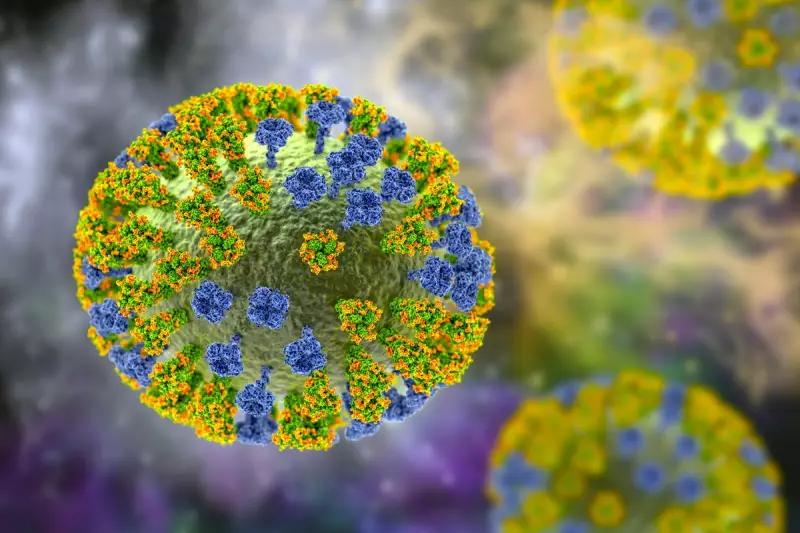
Health authorities across the United States and Canada are grappling with an exceptionally severe influenza season, driven by a newly identified and highly contagious virus subtype. After a sharp increase in cases beginning in mid-December 2025, flu activity remains alarmingly high, with record-breaking infection rates reported in several regions.
Unprecedented Case Numbers and a New Viral Driver
The 2025-2026 flu season began slowly but changed dramatically in early to mid-December. In the final week of December, over 8% of all doctor's visits in the United States were for flu-like illness, marking the highest weekly rate recorded since 2005. Data from the U.S. Centers for Disease Control and Prevention (CDC) shows that, as of January 15, 2026, this season has already resulted in an estimated 15 million illnesses, 180,000 hospitalisations, and 7,400 deaths.
This spike, widely termed a "superflu" in media reports, is largely attributed to a new influenza subtype called subclade K. This variant is a subtype of the H3N2 virus and was first detected in Australia in July 2025. It is now responsible for 91.5% of infections in the U.S. and is also behind the peak in Canada. Scientists believe its rapid dominance may be due to mutations that differentiate it from prior strains and potentially lower population immunity.

Severe Impact on Children and Regional Hotspots
A concerning feature of this season is the virus's severe impact on children, who typically experience milder symptoms. Pediatric hospitalisations are notably high, and the CDC reported 17 pediatric flu deaths by January 9. This follows the deadliest year on record for children in the 2024-2025 season, which saw 289 pediatric deaths.
Clinicians report children arriving at emergency departments with high fevers exceeding 104 degrees Fahrenheit lasting 5-7 days, as well as complications like febrile seizures, croup, and severe dehydration. Regionally, the situation is critical, with New York state recording its highest number of weekly flu cases ever in early January. Forty-four out of 55 U.S. states and jurisdictions are reporting high or very high flu activity, with emergency visits spiking above the national average in the South and Northeast.
Vaccination, Testing, and Protective Measures
Despite the current strain's intensity, health experts strongly advocate for vaccination. While the 2025-2026 vaccine is not a perfect match for subclade K, evidence indicates it still provides valuable protection against serious illness, hospitalisation, and death. For those yet to be vaccinated, acting promptly is advised, as it takes roughly two weeks to achieve maximal protection.
Regarding testing, many medical professionals, including emergency room paediatricians, find at-home flu tests of limited utility for most people. The management of flu-like illnesses—whether influenza, RSV, or COVID-19—is largely similar, focusing on rest and hydration. Antiviral medications like Tamiflu are rarely recommended in emergency settings due to limited effectiveness and potential side effects, though they may be considered for high-risk individuals or hospitalised patients.
The key to curbing transmission lies in fundamental precautions. Given the apparent high contagiousness of subclade K, frequent handwashing and staying home when unwell—especially until fever-free for 24 hours—are critical actions to protect both individuals and the wider community.