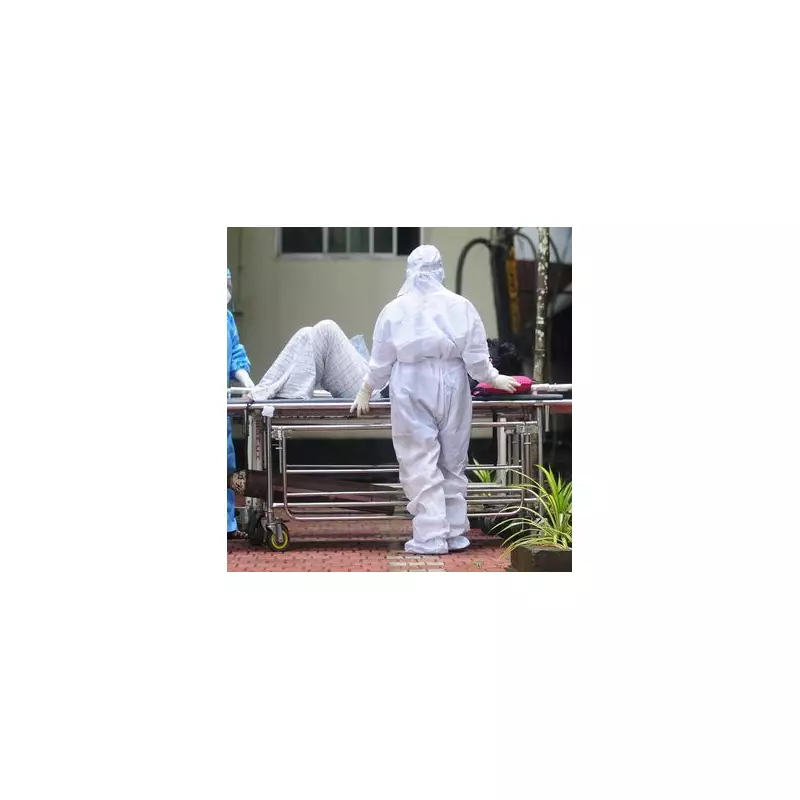
Health authorities in India have declared a nationwide alert following the confirmation of two cases of the rare and deadly Nipah virus, which famously inspired the Hollywood blockbuster Contagion. The infections have been identified in nurses at a private hospital, raising significant concerns about undetected transmission of this dangerous pathogen.
Critical Condition and Hospital Outbreak
The two affected individuals are both nurses working at Narayana Multispeciality Hospital, located in Barasat, West Bengal, approximately sixteen miles from the capital city of Kolkata. One of the nurses is currently reported to be in a critical condition, highlighting the severe threat posed by this infection.
Mr Narayan Swaroop Nigam, Principal Secretary of the Health and Family Welfare Department in West Bengal, confirmed the situation to local media, stating: "Two nurses at a private hospital are infected with Nipah virus, and one of them is in critical condition."

Symptoms and Transmission Timeline
The nurses had been working together between December 28 and 30 before developing alarming symptoms including high fevers and respiratory distress. This led to their admission to the hospital's intensive care unit on January 4, with one nurse falling into a coma.
Officials suspect that both healthcare workers contracted the virus while treating a patient who later died before being tested. This individual was suffering from severe respiratory symptoms at the time, which has prompted extensive contact tracing efforts.
Extensive Contact Tracing and Quarantine Measures
In response to the outbreak, health authorities have initiated comprehensive contact tracing for individuals who came into contact with the infected nurses and the deceased patient. So far, 180 people have been tested, with 20 high-risk contacts placed under quarantine as a precautionary measure.
Mr Nigam provided an update on these contacts, noting: "All of them are asymptomatic and tested negative. We will again test them before their 21-day quarantine ends." This careful monitoring reflects the serious approach being taken to contain any potential spread.
National Health Alert Issued
India's Ministry of Health and Family Welfare has issued a nationwide alert urging officials across the country to implement preventive measures. These include enhanced surveillance systems and other strategies designed to prevent any further transmission of the virus.
The World Health Organisation has identified Nipah virus as a critical research priority due to its potential to trigger a global health crisis. The pathogen proves fatal in up to 85% of infections, beginning with symptoms such as:
- Fever and headaches
- Muscle pain and vomiting
- Sore throat and respiratory issues
These initial symptoms can rapidly progress to deadly brain inflammation, making early detection and containment absolutely vital.
Transmission Risks and Historical Context
The Nipah virus is transmitted to humans through contact with bodily fluids of infected bats, pigs, or other people. There is currently no vaccine available for this dangerous pathogen, though Oxford University is conducting phase one trials of a potential vaccine following encouraging preliminary findings.
Experts have repeatedly warned that growing human interaction with fruit bats, combined with their movement into heavily populated regions, is significantly heightening the risk of Nipah virus outbreaks. The virus was initially discovered during an outbreak amongst pig farmers in Malaysia in 1999 and has remained a persistent threat ever since.
The disease emerged in Bangladesh in 2001 and has resurfaced almost annually in the region since that time. Furthermore, evidence of this deadly pathogen has been detected in fruit bat populations across numerous Asian nations, ranging from Cambodia to Thailand, indicating a widespread geographical presence.
Ongoing Concerns and Preventive Actions
The current cases have led to a substantial nationwide alert in India, with local authorities implementing quarantine measures for affected communities. The situation at Narayana Multispeciality Hospital has particularly raised fears that the disease could be spreading undetected through healthcare settings or community transmission.

Health officials continue to emphasize the importance of surveillance and preventive measures as they work to contain this outbreak and prevent further cases of this dangerous, film-inspiring virus.