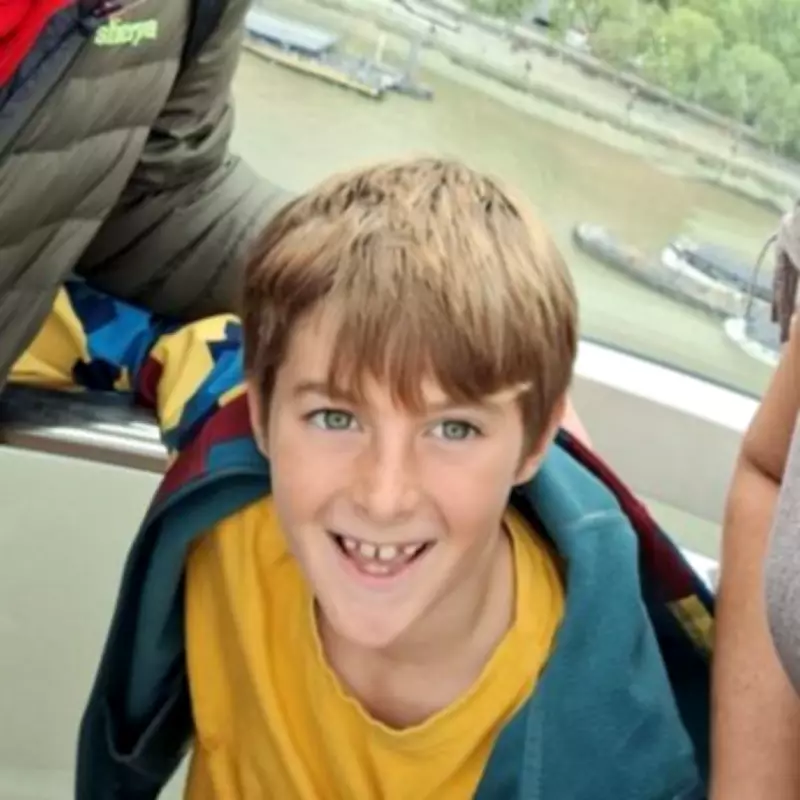
An eleven-year-old boy has made medical history in Britain by undergoing a pioneering NHS operation to repair a congenital heart defect with a revolutionary dissolvable patch.
Dreams of Marine Biology Now Within Reach
James Hoddinott, from Woking, has long harboured ambitions of becoming a marine biologist and learning to scuba dive. However, these dreams were placed in jeopardy by a heart condition that made underwater diving potentially dangerous. Born with a patent foramen ovale (PFO) – a hole between the upper chambers of the heart that failed to close after birth – James faced an increased risk of decompression sickness, commonly known as 'the bends', during scuba activities.
A Groundbreaking Biodegradable Solution
In a landmark procedure, a collaborative team of heart specialists from Royal Brompton Hospital and Evelina London Children's Hospital, part of Guy's and St Thomas' NHS Foundation Trust, fitted James with an innovative device called MemoSorb. This 28mm flexible patch is constructed from polydioxanone and Poly-L-lactic acid – materials commonly used in dissolving sutures.

The operation involved folding the device into a catheter, inserting it through a vein in the groin, and carefully guiding it to the heart. Once positioned correctly, the patch was released to immediately seal the cardiac opening. Remarkably, the biodegradable implant will gradually dissolve over approximately one year, while the body's own tissue grows permanently over the repair site.
Overcoming Unique Medical Challenges
James's case presented particular complexities that made this new technology especially suitable. He carries a mutated gene that may predispose him to cardiomyopathy, a serious condition affecting the heart muscle. This genetic factor means he could require future cardiac treatments, and a traditional permanent metal implant might have obstructed such procedures.
Consultant paediatric cardiologist Professor Alain Fraisse, who co-led the surgical team with Dr Carles Bautista, explained the clinical reasoning: "We needed to close the hole in James's heart, but a permanent metal implant wasn't ideal – he may need future treatments involving the left side of his heart. James has made an excellent recovery and we're hopeful for a positive long-term outcome."
Remarkable Recovery and Future Prospects
James demonstrated impressive resilience, returning to school just one week after the two-hour operation. His mother, Suzanne Hoddinott, reported noticeable improvements in his wellbeing: "We feel exceptionally fortunate to have had this opportunity. We can already see benefits since the procedure. James has grown, he's more hungry and he's got more energy. He's definitely swimming faster."
While James can continue snorkelling immediately, he will undergo further testing in several months to confirm the heart defect is completely sealed before receiving medical clearance for scuba diving. The young patient expressed both nerves and excitement about the procedure's potential: "Before my operation I felt nervous, but mainly excited because it could mean I'm finally able to scuba dive. That's my dream. I have a real passion for marine biology."
Wider Medical Significance
Patent foramen ovale affects approximately one in four people, though many remain unaware of the condition. While typically closed using permanent metal devices in symptomatic cases, this biodegradable alternative opens new possibilities for patients who may require future cardiac interventions or who prefer not to have permanent implants.
This pioneering operation represents a significant advancement in pediatric cardiology within the NHS, demonstrating how innovative medical technology can transform young lives while maintaining flexibility for future healthcare needs.