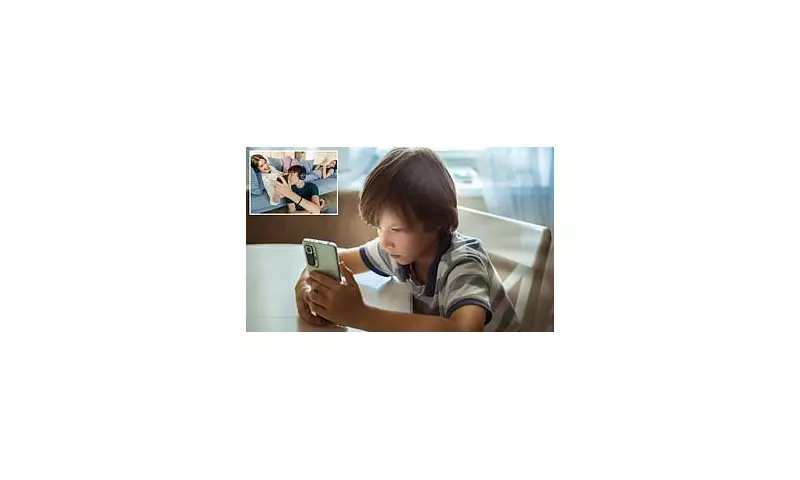
Senior doctors across the UK have issued a stark warning, declaring that children's use of mobile phones has escalated into a 'public health emergency'. The alert comes amid growing evidence that excessive screen time and exposure to dangerous online material are causing severe harm to young people's physical and mental health.
Clinicians' 'Shocking' Testimonies Prompt Urgent Call
The Academy of Medical Royal Colleges has written to government ministers following an urgent meeting held in October. The gathering, attended by more than twenty senior clinicians, heard harrowing first-hand accounts from doctors about the damage they are witnessing in NHS facilities, directly linked to mobile phone use.
Dr Jeanette Dickson, Chair of the academy, stated unequivocally: 'Without doubt, we are seeing the beginning of a public health emergency with our own eyes. Everywhere we look, we see children and adults glued to their screens.' She expressed profound worry for children, describing some as 'self-evidently imprisoned in a digital bubble.'

The testimonies shared were so severe they left some attendees 'close to tears'. Dr Dickson described the stories as 'genuinely shocking', highlighting the scale of the crisis now confronting healthcare professionals.
The Disturbing Reality of Online Harm
Doctors provided specific, chilling examples of the consequences. Dr Zara Haider, President of the College of Sexual and Reproductive Healthcare, reported that colleagues are increasingly concerned by daily stories of young women being coerced into dangerous sexual acts after their partners saw similar behaviour online.
'We know, for example, that strangulation is now a common feature because it is thought to heighten sensation,' Dr Haider explained. 'It can, of course, lead to brain injury and death in some cases, because it takes less than a minute to kill someone by compressing the trachea, yet incredibly, we are normalising this behaviour.'
In one tragic case recounted at the meeting, a doctor described treating a teenage girl with serious injuries after her boyfriend used sharp knives during foreplay—an act they had seen online. The teenager later died from her injuries.
A police psychiatrist present revealed that half of teenagers aged 13 to 14 had watched beheading videos on their phones. Furthermore, GP Dr Rebecca Foljambe reported seeing multiple cases of children harmed by online content, while optometrist Daniel Hardiman warned of rising numbers of children needing glasses at younger ages due to excessive screen time. Professor Michael Absoud, a paediatrician, noted that children with conditions like ADHD are particularly vulnerable.
Political Pressure Mounts for Under-16 Social Media Ban
The academy's letter arrives as the government faces mounting cross-party pressure to restrict social media access for minors. The Academy has called for a review of its research on the issue to be completed within three months, aiming to better equip doctors to identify and tackle these harms.
Prime Minister Sir Keir Starmer has stated he has not ruled out introducing an Australia-style ban for young people, saying 'all options are on the table'. This marks a shift from his previous opposition, following Conservative Leader Kemi Badenoch's vow to block under-16s from social media if the Tories win the next election.
Health Secretary Wes Streeting is demanding 'action', warning that technology has been 'unleashed without properly understanding the consequences' and that it is harming the 'life chances of young people'. The issue is expected to reach a climax next week when the House of Lords votes on a Tory amendment to the Children's Wellbeing and School Bill, which would prevent under-16s from accessing social media platforms.
However, the proposed ban faces opposition from some charities. The NSPCC warned it 'would be a blunt approach to a complex problem', and the Molly Rose Foundation cited concerns about 'unintended consequences', arguing bans risk pushing harmful activity into unregulated spaces.

A Government spokesman said: 'A social media ban is not our current policy but we keep all options under review based on the evidence. We are striking the right balance: protecting children from harm while ensuring they can benefit safely from the digital world.'