New research suggests that extended participation in speech and language therapies could be crucial for helping the majority of autistic children utter their first words. The study highlights the potential of sustained therapeutic intervention in addressing speech difficulties commonly associated with autism spectrum disorder.
Understanding Autism and Speech Challenges
Autism spectrum disorder, which currently affects approximately one in 31 children in the United States, frequently presents significant challenges with speech development. Many autistic children remain nonverbal or experience substantial delays in acquiring spoken language compared to their neurotypical peers. This communication barrier has long been a focus of therapeutic intervention, with various approaches showing promise during early childhood.
Therapeutic Approaches and Their Impact
For years, autistic children with speech issues have demonstrated benefits from intensive therapies, verbal exercises, and assistive devices. The latest study from Drexel University in Philadelphia provides compelling evidence that speech language therapies are not only effective but may enable approximately two in three autistic children to learn how to speak.

The research team examined over 700 preschoolers diagnosed with autism spectrum disorder who had received speech intervention therapies for periods ranging from six months to two years. On average, these children participated in therapy for about ten hours per week, revealing important patterns in language acquisition.
Study Findings and Participant Outcomes
Among the children included in the study, a significant two-thirds developed spoken language capabilities, while one-third remained nonverbal or showed no measurable progress. The researchers believe this improvement stems from various therapeutic methodologies employed during the intervention period.
Key approaches included the Early Start Denver Model, which emphasises play and positive relationship-building to enhance language skills. Additionally, the Treatment and Education of Autistic and Related Communication Handicapped Children therapy was utilised, employing visual cues and structured environments to support speech development.
The Importance of Therapy Duration
The research team identified that the duration of therapy, rather than its intensity, correlated with better outcomes for nonverbal children. This suggests that consistent intervention over months or years with approximately ten hours per week may prove more effective than shorter, more intensive programmes requiring twenty to forty hours weekly.
Dr Giacomo Vivanti, study author and associate professor at the AJ Drexel Autism Institute, commented on the findings. "When parents ask me if their child should do these interventions to gain spoken language, the answer after doing this study is still yes," he stated. "What our study is telling us is that even when we're implementing practices that are evidence-based, some children remain behind. So, we should carefully monitor the response of each child and see what to add or change to tailor therapy for the individual as needed."
Demographic Details and Therapeutic Groups
The Drexel University study, published in 2025 in the Journal of Clinical Child & Adolescent Psychology, evaluated 707 autistic children aged between fifteen months and five years, with an average age of three years. Participants were enrolled in speech therapy programmes for six months to two years, maintaining approximately ten hours of weekly participation.
Children were divided into several therapeutic groups. Two hundred sixteen participants engaged in the Early Start Denver Model, which relies on parents and therapists using play and joint activities to build connections and improve language. Another 208 children participated in Naturalistic Developmental Behavioral Interventions, employing child-initiated, play-based activities.
A further 197 children were in the Early Intensive Behavioral Intervention group, typically involving one-on-one therapy targeting social and daily living skills. The final group of 86 participants received TEACCH therapy, focusing on organisation through visual schedules and promoting independence.

Baseline Communication and Progress Metrics
At the study's outset, sixty-six percent of participants were classified as "minimally speaking," meaning they could not combine words to form short phrases. Researchers found that sixty-six percent of children who were not speaking at the beginning of the study progressed to learning single words or advancing their language abilities by the therapy's conclusion.
Among those minimally speaking at baseline, fifty percent advanced to combining words into phrases. However, one-third of initially nonverbal children remained nonverbal after two years, and half of the minimally speaking group showed no advancement.
Factors Influencing Therapeutic Success
The research team observed that children who did not advance tended to participate in therapy for shorter durations, often under six months, despite more hours per day. Conversely, children engaged in therapy for six months to two years demonstrated greater likelihood of language gains.
Additionally, children who could more effectively imitate sounds and actions at the study's commencement showed higher chances of language advancement. Dr Vivanti explained, "Those nonspeaking prerequisites of communication may help create infrastructure for spoken language. Imitating what others are doing may help them later to imitate what people are saying, and from there using language to express their thoughts."
Study Limitations and Future Research Directions
The research acknowledged several limitations, including only following children for up to two years. However, the team suggested these findings could pave the way for more comprehensive future studies.
Dr Vivanti noted, "Often scholars are weary about sharing intervention data and examining children who are not showing an optimal response to their interventions, especially for interventions that are already established as 'evidence-based.' This paper shows a willingness in the early intervention community to collaborate on data and learn more about how to help all children."
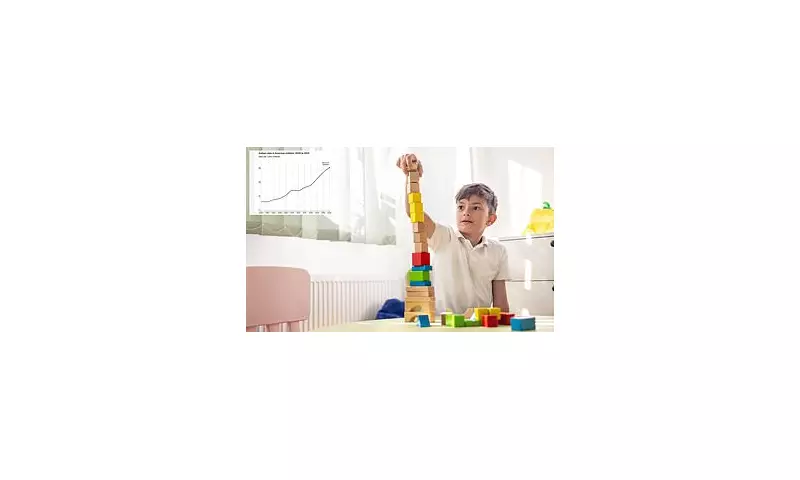
The study emerges against a backdrop of increasing autism diagnoses in the United States. Latest Centers for Disease Control and Prevention data indicates one in 31 US children have autism, a significant increase from approximately one in 150 in the early 2000s. While the exact reasons behind this surge remain unclear, improved diagnostic recognition and potential environmental factors are being explored by researchers and health authorities.