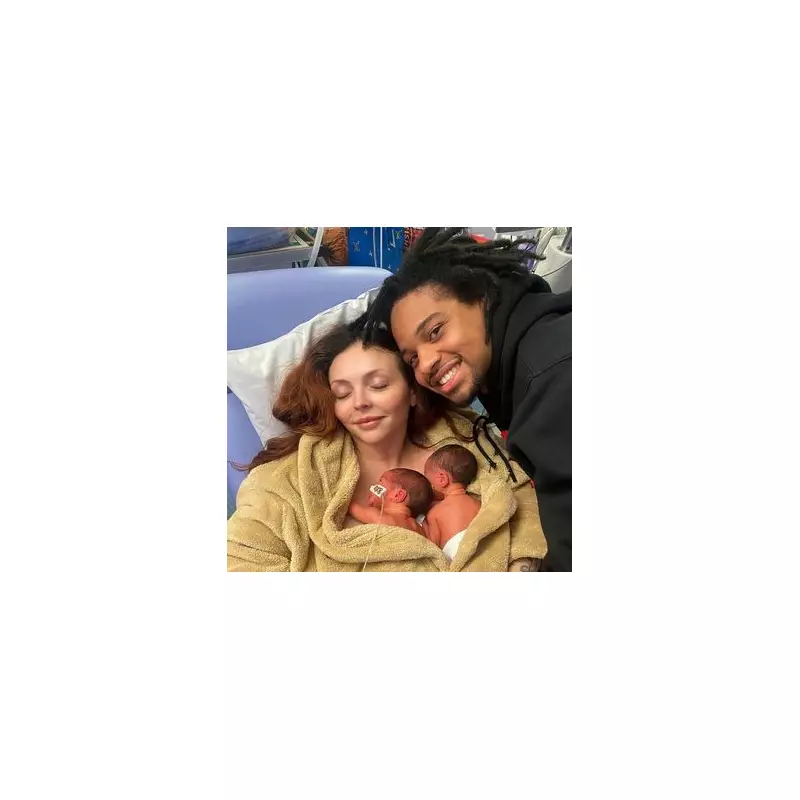
Former Little Mix singer Jesy Nelson has shared the devastating news that her newborn twin daughters have been diagnosed with a severe and rare genetic condition.
What is Spinal Muscular Atrophy Type 1?
Spinal muscular atrophy type 1 (SMA1) is the diagnosis given to Nelson's daughters, Ocean Jade Nelson-Foster and Story Monroe Nelson-Foster. The condition, which is present from birth, critically affects the nerves that control muscle movement. This leads to profound muscle weakness, impacting fundamental abilities like breathing, swallowing, and movement.
The 34-year-old singer and her 27-year-old musician fiancé, Zion Foster, welcomed their twins in May after what has been described as a difficult pregnancy. The diagnosis means the infants may never walk or regain strength in their neck muscles, according to medical advice received by the family.

The Crucial Early Warning Signs Parents Must Know
The family's journey to diagnosis began after Jesy's mother noticed the twins were not moving as expected. Medical professionals highlight several key early indicators of SMA that parents and caregivers should be aware of:
- Pronounced floppiness or lack of muscle tone (hypotonia)
- Significant difficulty holding up the head
- Noticeably weak or reduced movement in limbs
- Shallow breathing patterns
- Trouble with feeding or swallowing
- An unusually weak cry
For Nelson's family, the twins' struggle to feed was a major red flag that prompted the singer to push relentlessly for answers, ultimately leading to the SMA Type 1 diagnosis.
Why Early Intervention is Life-Changing
While there is currently no cure for spinal muscular atrophy, the landscape of treatment has transformed in recent years. New therapies have emerged that can dramatically alter outcomes, particularly when administered as early as possible after diagnosis.
These treatments aim to slow the progression of the disease, improve motor function, and help those affected achieve the best possible quality of life. This underscores the critical importance of recognising the early signs and seeking immediate medical evaluation.
Jesy Nelson's decision to share her family's story publicly brings vital attention to this rare genetic disorder. It highlights the urgent need for awareness among new parents and the profound difference that early diagnosis and modern medical support can make.