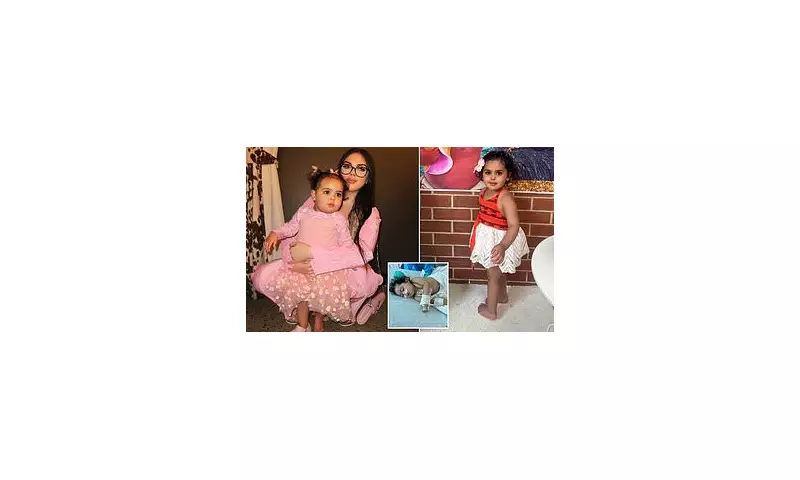
A young single mother from Perth has been compelled to place her entire life on hold as her courageous two-year-old daughter endures a gruelling battle against cancer. In a heartfelt revelation, she is sharing the critical warning signs that every parent should vigilantly monitor.
A Life Suddenly Paused
Namirah Carpenter, aged just two, has spent the majority of the past seven weeks confined to hospital wards following her diagnosis with B‑cell Acute Lymphoblastic Leukaemia. The diagnosis, confirmed on December 4, has completely upended the world of her mother, Concetta, who is only 22 years old.
Concetta has suspended her university studies and abandoned her work in the disability sector to become a full‑time carer for her daughter. This drastic change was necessitated by the long-term treatment plan that Namirah requires, which includes at least two years of intensive chemotherapy.

The Trauma of Treatment
The typically bright and bubbly toddler from Perth has faced immense challenges since her diagnosis. After undergoing countless medical tests, receiving blood transfusions, and commencing high‑dose chemotherapy, Namirah recently ceased speaking altogether. This communication breakdown is attributed to the profound trauma associated with prolonged hospital stays and the relentless nature of her ongoing treatment.
Her mother described the harrowing experience, noting that Namirah would only utter the word "hungry" during this silent period. Although she has begun to speak again, she has not yet returned to her usual self.
A Cycle of Hospital Admissions
Namirah's journey has been marked by a distressing cycle of brief discharges followed by urgent readmissions. After returning home earlier this month, she was rushed back to hospital merely three days later when she became unresponsive, potentially due to a seizure. Following another discharge last week, she was again hospitalised after developing a fever.
"I hate seeing her in hospital, but she's safer there than anywhere else," Concetta confessed to Daily Mail, emphasising the new lifestyle they have been forced to adopt.
Crucial Warning Signs for Parents
Concetta had harboured suspicions for months that something was amiss with her daughter, observing several tell‑tale symptoms that were initially dismissed by medical professionals. She urges all parents to trust their instincts and advocate persistently for their children.
The warning signs she noted included:
- Excessive bruising on Namirah's body
- Sudden changes in behaviour, such as becoming unusually clingy and irritable
- A dramatic shift from her normally outgoing and independent nature
- Her lips turning white and her skin developing a yellow hue
- The appearance of leukaemia spots on her skin, mistaken for insect bites
"We had spent months going back and forth from the hospital, being told that she was fine and that nothing was wrong," Concetta recalled. "Had I not gone back and forth with the hospital, the leukaemia may have never been picked up until it was too late."
The Ongoing Battle and Isolation
As Namirah approaches her third month of treatment, doctors report that she is responding well to chemotherapy, despite the significant toll it is taking on her small body. However, the treatment has imposed severe restrictions on her daily life.
Due to her severely weakened immune system, Namirah cannot interact with friends, attend daycare, or even use playground equipment at the local park. Simple activities like a trip to the shops are entirely out of the question. "Being an autoimmune child, Namirah can't play with her friends and asks every day when she can see them," her mother shared.
Community Support and a Vital Plea
Friends have established an online fundraiser to alleviate the financial burden on Concetta, a single mother. The campaign has raised nearly $13,000, which will assist with rent, parking, medication, medical bills, and essential living costs for the next six months. "A huge weight has been lifted off my shoulders," Concetta expressed gratefully.

In addition to financial aid, Concetta is making an urgent plea for Australians to register as stem cell donors. Namirah's rare mixed ethnicity of Ethiopian, Italian, and Irish heritage makes finding a compatible donor exceedingly difficult, a common challenge for many children in similar situations.
"We're hoping that Namirah won't need a stem cell donor, but we've met so many other kids on the ward that do," she said. "I had no idea about it until she was diagnosed. If they are a match, they will save someone's life."
Looking to the Future
Doctors have advised the family not to make any plans for the next two to three years as they navigate each stage of Namirah's treatment. This directive has put Concetta's dreams of becoming a social worker and taking overseas holidays with her daughter on indefinite hold.
Despite the immense challenges, Concetta remains focused on her daughter's recovery. "Your generosity means I can focus completely on Namirah and the difficult journey ahead," she wrote in the fundraiser. She describes Namirah as "very funny and smart, always wanting to learn," clinging to hope for her daughter's full recovery.