A mother from Illinois has revealed the subtle early signs that eventually led to both of her young children being diagnosed with an extremely rare and fatal form of childhood dementia.
The First Signs of Something Wrong
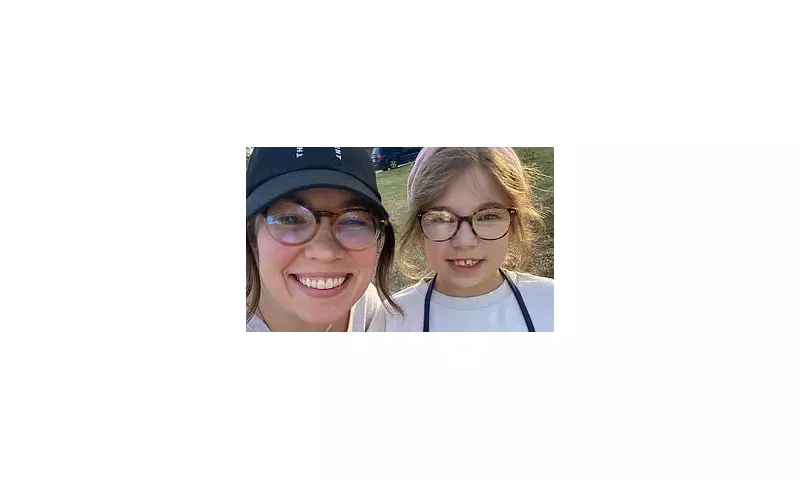
Megan Kempf, 37, experienced a normal pregnancy and was thrilled to welcome her daughter, Poppy, into the world. For three years, Poppy's development seemed typical. However, Megan, a stay-at-home mother, began to notice her daughter was different from her peers. A key early indicator was a regression in her drawing skills. "We had noticed that her drawing skills had regressed; she would be able to draw bodied characters, and suddenly she'd regressed to drawing circles," Megan explained.
When Poppy, now aged nine, started school, the differences became more pronounced. She was diagnosed with a mild intellectual disability, which involves slower development in thinking and social skills. Yet her parents felt this diagnosis didn't explain everything, especially when Poppy grew increasingly anxious at bedtime.

The Long Road to a Diagnosis
Further investigation revealed Poppy had sleep apnoea, a condition where breathing stops and starts during sleep, leading to daytime concentration issues, fatigue, and mood swings. Megan feared this was worsening her daughter's delays, but doctors advised a 'wait and see' approach as nothing was deemed severe.
The breakthrough came when a neurologist referred the family to a geneticist. Poppy underwent entire DNA genome sequencing, which tested positive for Sanfilippo syndrome type B. This rare condition is a form of childhood dementia, a progressive and life-limiting disorder caused by over 145 rare genetic defects.
In Poppy's case, the disease is caused by a missing enzyme needed to break down a large molecule called heparan sulphate. Without it, the molecule builds up in cells, causing brain cells to fill with waste. This leads to a devastating decline, including loss of speech, motor skills, cognitive function, seizures, and ultimately, death.
A Double Diagnosis and a Fight for Hope
The genetic nature of the diagnosis meant the Kempfs' newborn son, Oliver, was also at risk. Three weeks after Poppy's diagnosis, they received the devastating news that two-year-old Oliver had also tested positive. "To have a diagnosis provided a sense of relief, but never in a million years did we expect to get a life expectancy for our children," said Megan. Doctors informed them most children with Sanfilippo syndrome type B do not survive past 19 and there was no available treatment.
Refusing to accept this prognosis, Megan and her husband Kyle have spearheaded fundraising efforts. They have helped raise $5.5 million alongside other families to fund enzyme replacement therapy research. While the drug is not yet approved by the US Food and Drug Administration (FDA), the Cure Sanfilippo Foundation believes it is a promising treatment. "We are hopeful that the drugs will be on the market next year," Megan said, acknowledging the challenge of getting a paediatric rare disease treatment to market when patients have such short life expectancies.
According to the UK's MPS Society, a charity supporting those with the condition, around 140 children in Britain are living with Sanfilippo syndrome.