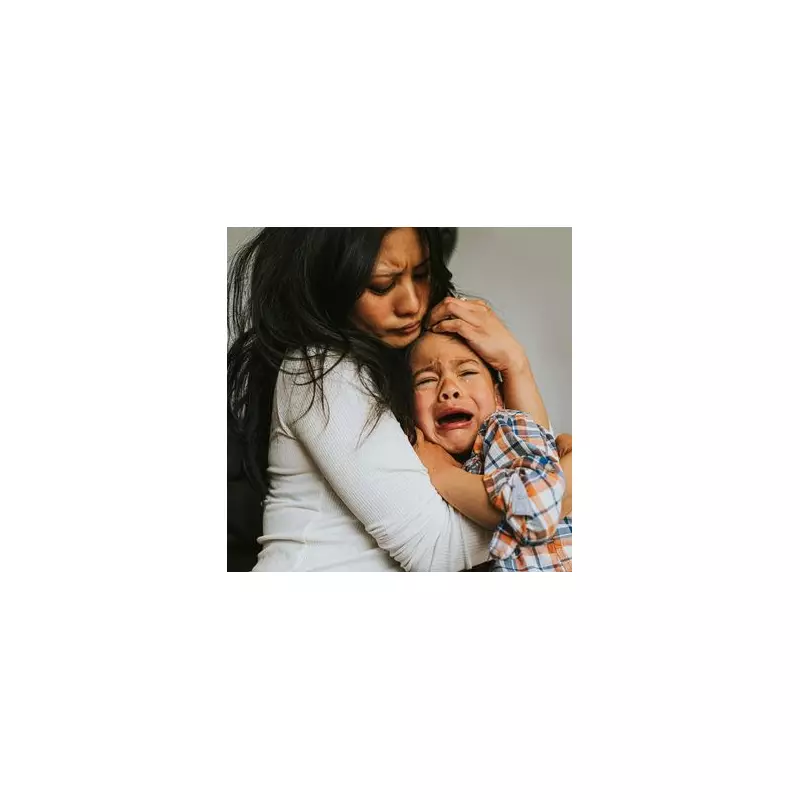
A significant health alert has been issued across the United Kingdom concerning a particularly painful infection that affects an overwhelming majority of children, with experts revealing that approximately eight out of ten youngsters will experience this condition before reaching their tenth birthday. The warning comes as winter creates what specialists describe as "prime time" conditions for these distressing ear problems to proliferate among the nation's youth.
Why Children Are Especially Vulnerable
Pharmacy Superintendent Niamh McMillan has emphasised that children are naturally more susceptible to these infections than adults due to several physiological factors. Their smaller Eustachian tubes are significantly more prone to blockage, while their still-developing immune systems struggle to combat the germs and viruses that typically cause illness. Additionally, children possess larger adenoids compared to adults; when these become swollen or infected, they can trap bacteria and obstruct the Eustachian tubes, creating ideal conditions for infection.
"Superdrug pharmacists consistently observe a dramatic spike in ear infections from October through March," explains McMillan. "Colds and influenza frequently trigger inflammation that can travel to the middle ear, resulting in considerable pain, fever, and significant distress. For young children especially, ear infections can escalate rapidly, making early recognition and timely intervention absolutely crucial."

The Winter Perfect Storm
Several winter-specific factors combine to create particularly hazardous conditions for children's ear health. Viral illnesses spread more easily during colder months, indoor heating systems dry out delicate airways, and the return to school terms dramatically increases exposure risks. Health expert Dr Ellie Canon, speaking to medicine brand Calpol, confirms that "because some children develop glue ear following a cold, it tends to be more common in the winter months."
Understanding Glue Ear and Other Infections
While various types of ear infections exist, glue ear—medically known as Otitis Media with Effusion—represents a particularly common and problematic condition. Unlike active infections, glue ear involves thick, sticky fluid accumulating in the middle ear, often following colds, allergies, or previous ear infections. This fluid buildup creates muffled hearing and provides an ideal environment for bacterial growth, potentially leading to recurrent infections.
Other common ear problems include ear canal infections, earwax blockages, damage from improper cleaning, and complications from throat infections like tonsillitis. Collectively known as otitis media, these conditions typically cause pain, fever, irritability, and children frequently pull at their ears, especially after experiencing cold symptoms.
Treatment Approaches and When to Seek Help
Most ear infections resolve independently within approximately three days and rarely require antibiotics. Primary treatments focus on pain relief through appropriate doses of ibuprofen or paracetamol, alongside warm or cold compresses applied to the affected ear. However, medical attention becomes essential if symptoms persist beyond three to five days, the child develops a high fever, appears seriously unwell, or experiences continuous discharge from the ear. Children with known weakened immune systems require particularly prompt assessment.
The NHS outlines that "treatment for an ear infection depends on what's causing it and which part of your ear is infected." Options may include antibiotic tablets, eardrops (antifungal, steroid, or painkilling varieties), or in cases of boils, medical drainage procedures. The health service notes that "eardrops may not work if they're not used correctly," emphasising proper administration.
Recognising the Warning Signs
Parents should remain vigilant for several key indicators that their child might be suffering from an ear infection:

- Ear Pain: Often the most noticeable symptom, this can manifest as sharp, throbbing, or constant discomfort that frequently worsens when lying down.
- Tugging or Pulling at the Ear: Younger children unable to verbalise pain may repeatedly tug, rub, or hold their ear seeking relief.
- Fever: Elevated temperature commonly accompanies ear infections, particularly when inflammation or fluid buildup is present.
- Irritability or Increased Crying: Changes in mood including fussiness, easier crying, or difficulty settling can indicate underlying ear discomfort.
- Hearing Difficulties: Fluid behind the eardrum can temporarily reduce hearing, making children seem less responsive or requiring frequent repetition.
- Ear Discharge: Pus or fluid leaking from the ear may indicate a perforated eardrum or more severe infection requiring prompt assessment.
- Sleep Disturbance: Lying flat increases middle ear pressure, potentially making bedtime or overnight sleep significantly more challenging.
- Appetite Changes: Sucking, swallowing, or chewing may increase pain, causing some children to avoid food or feed less than usual.
NHS Pharmacy First Service
Superdrug actively encourages parents to utilise the NHS Pharmacy First Service, which enables pharmacists to assess and treat various common conditions—including children's ear infections—without requiring a GP appointment. "Pharmacy First provides fast, expert support," explains Niamh McMillan. "Our pharmacists can assess symptoms, provide appropriate treatment, and advise on when antibiotics may or may not be needed."
Pharmacists can also recommend suitable over-the-counter options to manage discomfort, including age-appropriate pain relief, saline sprays for congestion, and products that alleviate cold symptoms which often contribute to ear issues. The service covers seven common health conditions: sinusitis, sore throat, earache, insect bite infections, impetigo, shingles, and minor urinary tract infections in women. Most pharmacies maintain private consultation rooms to deliver this service and offer healthcare advice confidentially.
Medical Assessment for Glue Ear
Dr Ellie Canon stresses the importance of consulting a family doctor if glue ear is suspected. "If your GP also suspects glue ear, they will look inside your child’s ear using a medical instrument called an otoscope," she explains. "This is not a painful procedure and it will allow your doctor to look for some of the tell-tale signs of glue ear, such as the eardrum looking dull or cloudy, or visible fluid behind it."
Many medical professionals adopt a watchful waiting approach for glue ear, as approximately half of all cases improve without treatment within three months, and around ninety percent resolve independently within a year. Treatment is typically considered only when the condition persists for extended periods, highlighting the importance of professional assessment to determine the appropriate course of action.