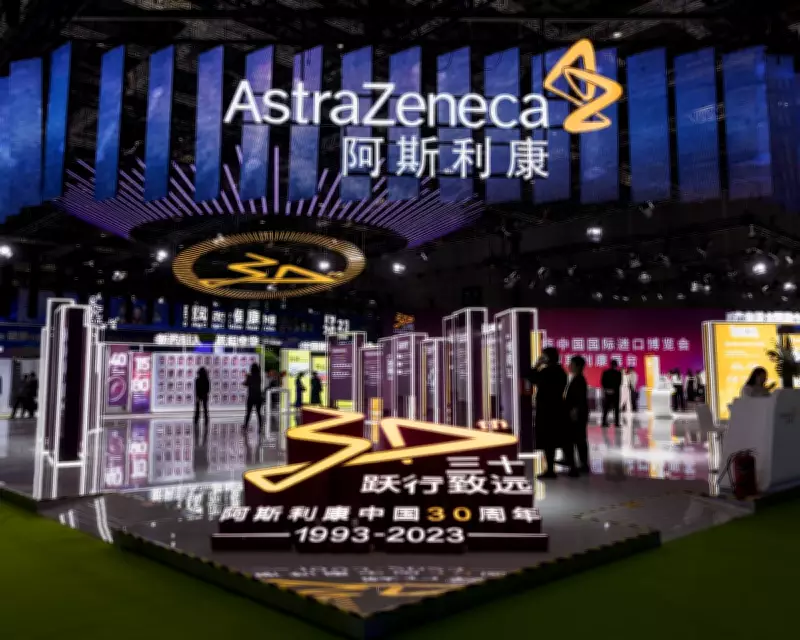
In a significant strategic shift, Britain's premier pharmaceutical company AstraZeneca has unveiled plans to invest a substantial $15 billion, equivalent to approximately £11 billion, in China. This announcement was made during Prime Minister Keir Starmer's official visit to the country, marking the first trip by a British leader to China in eight years. The move follows a period of strained relations between the government and the drugmaker, which had previously cooled on expansion initiatives within the United Kingdom.
Investment Details and Strategic Focus
The Cambridge-based firm stated that it will allocate this funding by the year 2030 to bolster medicines manufacturing and enhance research and development capabilities across China. AstraZeneca already maintains a significant presence in the region, and this investment is set to further solidify its footprint. A key component includes the construction of a new $2.5 billion research hub in Beijing, a project that was initially announced in March of the previous year.
Prime Minister Starmer emphasised that this multi-billion pound commitment would support the growth of AstraZeneca as a global business, thereby safeguarding thousands of jobs in the United Kingdom. He highlighted the importance of such partnerships with leading British universities, which are instrumental in advancing research and development efforts that power the nation's world-class life sciences sector.

Background of UK Relations and Expansion Pauses
This substantial investment in China comes after a notable cooling in relations between AstraZeneca and the UK government. The entire pharmaceutical industry has been at odds with ministers over contentious issues such as drug pricing and regulatory matters, culminating in a deal reached in December. As a result of these tensions, AstraZeneca paused a planned £200 million expansion of a research site in Cambridge during September. Additionally, the company abandoned a £450 million investment at its vaccine manufacturing facility in Speke, near Liverpool, at the beginning of last year.
Pascal Soriot, the Chief Executive of AstraZeneca, described this as a "landmark investment" that heralds the next chapter for the company in China. He noted that China has evolved into a critical contributor to scientific innovation, advanced manufacturing, and global public health initiatives.
Research and Manufacturing Expansion
The funding will be directed towards pioneering treatments, including advanced cell therapy and radioconjugates, which represent a more sophisticated form of radiotherapy that specifically targets cancer cells. AstraZeneca operates six global research hubs: two in Europe, located in Cambridge and Sweden; two in the United States; and two in China, situated in Beijing and Shanghai. The Chinese hubs collaborate with over 500 clinical hospitals and have spearheaded numerous global clinical trials over the past three years.
Furthermore, the company plans to expand its existing manufacturing facilities in Wuxi, Taizhou, Qingdao, and Beijing. These sites currently produce medicines for China and more than 70 other countries worldwide. New manufacturing locations are also on the agenda. These investments are expected to increase AstraZeneca's workforce in China from 17,000 employees to beyond 20,000, reflecting a significant boost to local employment.
Recent Acquisitions and Ongoing Challenges
AstraZeneca has been actively strengthening its position in the Chinese market through strategic acquisitions. In 2024, the company acquired Gracell Biotechnologies, a Chinese cancer specialist, in a deal valued at $1.2 billion. Late in 2023, AstraZeneca also struck an agreement with Shanghai-based Eccogene to jointly develop an anti-obesity and type 2 diabetes pill.
However, the company is concurrently facing scrutiny from Chinese authorities. An investigation is underway regarding allegations of unpaid import taxes on certain cancer drugs, breaches of data privacy laws, and potential medical insurance fraud. In 2024, several AstraZeneca staff members were detained, including Leon Wang, the president of the company's Chinese subsidiary.