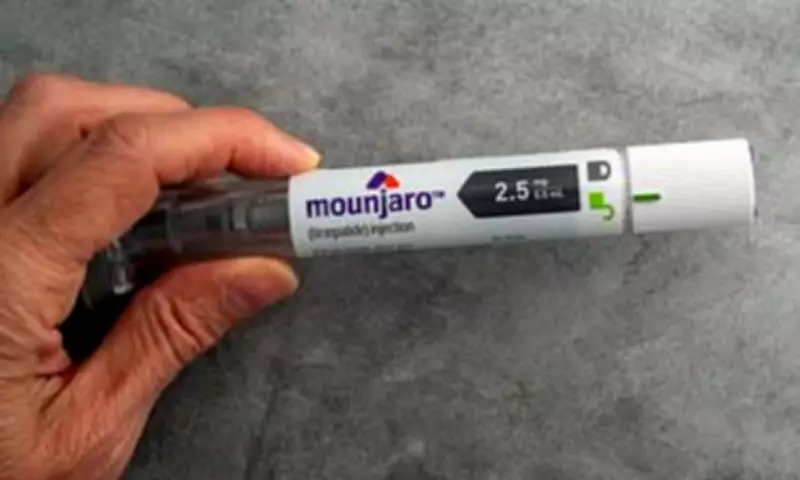
Health authorities in the United Kingdom have issued a significant safety alert concerning popular GLP-1 medications, warning they can increase the risk of a severe and potentially fatal pancreatic condition.
Regulatory Action on Weight Loss and Diabetes Drugs
The Medicines and Healthcare products Regulatory Agency (MHRA) has formally updated the product information for several widely used drugs, including Wegovy, Ozempic, and Mounjaro. The update explicitly states these medications carry a 'small risk of severe acute pancreatitis'. This painful condition involves sudden inflammation of the pancreas, the vital organ located behind the stomach that produces digestive enzymes and insulin.
Symptoms and Medical Advice
Patients are being urgently advised to seek immediate medical attention if they experience the hallmark symptoms of pancreatitis while using these drugs. The primary symptom is extreme, persistent pain in the stomach and back that does not subside. This can be accompanied by fever and vomiting.

While pancreatitis is a known but infrequent side effect of GLP-1 receptor agonists, the MHRA emphasises that cases can be particularly severe. Most patients recover within a week, but serious complications can develop, including:
- Pancreatic necrosis, where the organ's tissue begins to die.
- Subsequent infection and sepsis.
- Multiple organ failure, which can lead to death.
A Tragic Case in Lanarkshire
The warning follows the first death in the UK officially linked to this class of medication. Susan McGowan, a 58-year-old nurse from North Lanarkshire, died in September 2024 from multiple organ failure, septic shock, and acute pancreatitis. Her death certificate recorded that her use of tirzepatide, the active ingredient in Mounjaro, was 'a contributing factor' to her death. She had taken just two low-dose injections.
Regulator's Stance on Benefit-Risk Balance
Dr Alison Cave, the MHRA's chief safety officer, expressed deep sympathy for Ms. McGowan's family. However, she reiterated the agency's position, stating: 'On the basis of the current evidence, the benefits [of these drugs] outweigh the potential risks when used for the licensed indications.'
Dr. Cave further clarified: 'For the vast majority of patients who are prescribed GLP-1s, they are safe and effective medicines which deliver significant health benefits. The risk of developing these severe side effects is very small, but it is important that patients and healthcare professionals are aware and alert to the associated symptoms.'
Widespread Use and Function of GLP-1 Drugs
These medications have seen explosive growth in use. It is estimated that around 1.6 million people in England, Wales, and Scotland have used drugs like Wegovy and Mounjaro in the past year. Originally developed for type 2 diabetes, GLP-1 receptor agonists work by mimicking a hormone that regulates blood sugar and insulin levels. Several, including semaglutide (Wegovy) and tirzepatide (Mounjaro), are now recommended on the NHS to aid weight loss.
Official Guidance for Patients
The MHRA's clear guidance for the public is to remain vigilant. Dr. Cave advised: 'If you, or someone you care for, is taking GLP-1s and you notice symptoms such as severe, persistent stomach pain that may radiate to the back and may be accompanied by nausea and vomiting, then we advise you speak to a healthcare professional and report it via our Yellow Card scheme.' This scheme is crucial for ongoing safety monitoring of all medicines in the UK.
The agency stresses that patient safety remains its top priority and that it continuously monitors the safety profile of all licensed treatments, ensuring healthcare providers and the public have the latest information to make informed decisions.