Iran War Drives Up Medicine Prices by 30%, Pharmacists Warn of Looming Crisis
The ongoing conflict in Iran has triggered a sharp increase in the cost of widely used medicines in England, with community pharmacies reporting price hikes of up to 30% for common painkillers and hay fever treatments. According to the National Pharmacy Association (NPA), which represents 6,000 community pharmacies across the country, the war has exacerbated supply chain issues, leading to higher manufacturing and transportation expenses that are now being passed on to consumers.
Significant Price Increases for Essential Medications
Pharmacists have observed a dramatic rise in over-the-counter prices since February. For instance, the cost of paracetamol has surged by 20-30%, with some chemists charging significantly more for standard packs. Olivier Picard, chair of the NPA, highlighted that his pharmacy in Berkshire faced a wholesale price jump for a pack of 100 500mg paracetamol tablets, which escalated from 41p to £1.99 by late March before settling at £1.09. This increase has directly impacted patient costs, with a typical pack of 32 paracetamol tablets now priced at £1.50, up from £1.19 before the conflict.
Similarly, cetirizine tablets, a popular hay fever medication, have seen estimated price rises of 20-30%. Picard noted that his purchase price for a pack of 30 cetirizine tablets nearly doubled from 19p in January to 37p currently, with some distributors charging as much as £3. Allergy sufferers may face further price increases as the main hay fever season approaches in May or June.
Supply Chain Disruptions and Rising Costs
The war has driven up petrol and diesel prices, increasing manufacturing and transport costs for medicine suppliers by 40-50%. Additionally, air freight costs have doubled, affecting the delivery of one in five NHS medicines that arrive by air. The conflict has also constrained supplies of petroleum derivatives from the Gulf, which are crucial for producing common medications like paracetamol, aspirin, and co-codamol. These disruptions have led to temporary shortages, with some pharmacies unable to order certain strengths of aspirin and co-codamol.
Mark Samuels, chief executive of Medicines UK, warned that while immediate shortages have been mitigated by existing stock in UK warehouses, replenishing these supplies is becoming increasingly costly. Transportation costs have risen by 700%, and key chemicals for manufacturing are in short supply. If the conflict persists, essential medicines could see rising prices or shortages within weeks.
Impact on Pharmacies and NHS Budgets
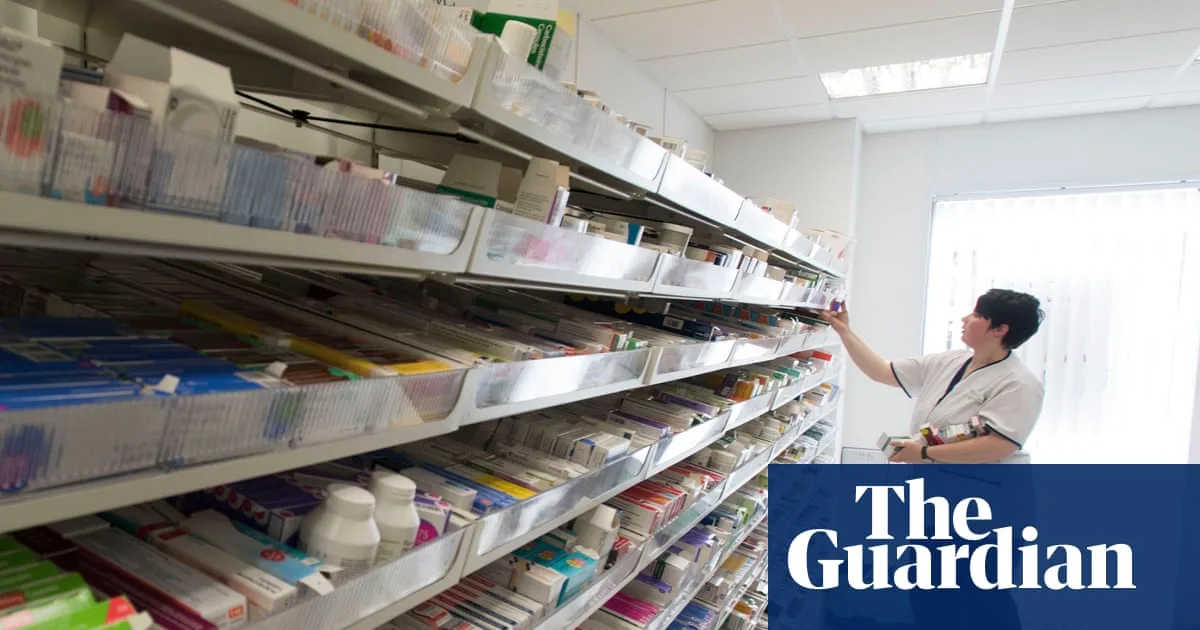
Community pharmacies, which derive 90% of their revenue from dispensing NHS prescriptions, are struggling with reimbursement rates that have not kept pace with rising costs. In March, a record 230 items were on the government's price concessions list, including blood pressure drugs, antidepressants, and painkillers, up from 90 in the same month last year. However, paracetamol and cetirizine were excluded, forcing pharmacies to absorb losses. Picard emphasized that this has contributed to the closure of 1,400 pharmacies since 2020, with one or two shutting weekly.
Higher supplier prices also inflate the NHS medicines bill through increased purchases and reimbursements, straining already tight budgets. While generic drugs may be cheaper at supermarkets or online pharmacies, the Iran war's effects are likely to push these prices up as well, with branded versions potentially experiencing even steeper increases.
Call for Caution and Government Action
Picard advised against panic buying and stockpiling medicines, warning that such actions could exacerbate shortages and drive prices higher. He urged the government to review reimbursement rates to support pharmacies and ensure patient access to affordable medications. The situation underscores the broader implications of geopolitical conflicts on public health systems, highlighting the need for resilient supply chains and proactive policy measures.