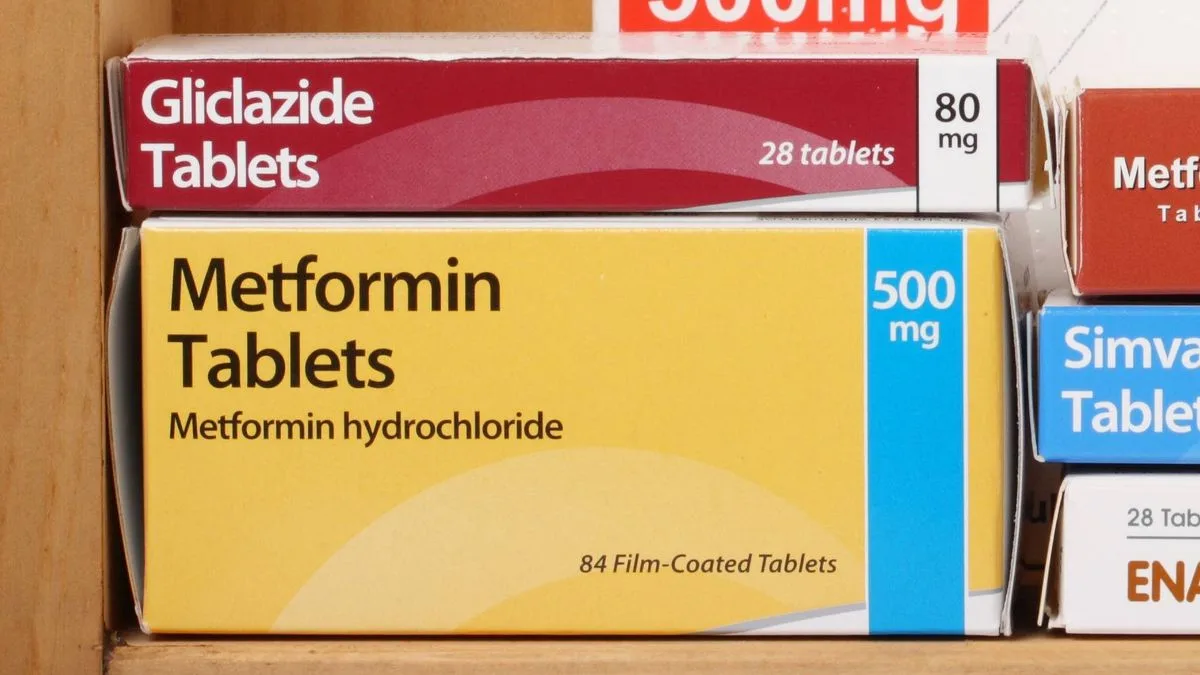
The NHS has issued a warning for people taking metformin, particularly those on the medication for an extended period, about the risk of vitamin B12 deficiency. Metformin is the most commonly prescribed drug for type 2 diabetes in England, with around 26.4 million prescriptions dispensed in 2024.
According to the NHS, long-term use of metformin can cause vitamin B12 deficiency, which may lead to symptoms such as tiredness, breathlessness, and faintness. Doctors may check vitamin B12 levels in the blood and recommend supplements if levels become too low.
Vitamin B12 deficiency can cause a range of symptoms, including numbness and tingling in the hands and feet, memory problems, difficulty concentrating, and in severe cases, confusion, dementia, or psychosis. It can also affect physical coordination and increase the risk of neural tube defects in pregnancy. Left untreated, neurological damage may become irreversible.

The National Institutes of Health recommends annual tests for vitamin B12 deficiency in people taking metformin, with early replacement therapy if needed. The American Diabetes Association advises annual B12 tests for those at higher risk or showing symptoms such as anaemia or neuropathy. The risk of deficiency increases with doses over 1,500 mg daily and longer treatment periods.
Patients are advised not to stop taking metformin without medical guidance, as sudden cessation can lead to elevated blood glucose levels. Those with kidney failure should consult their GP about switching medications.