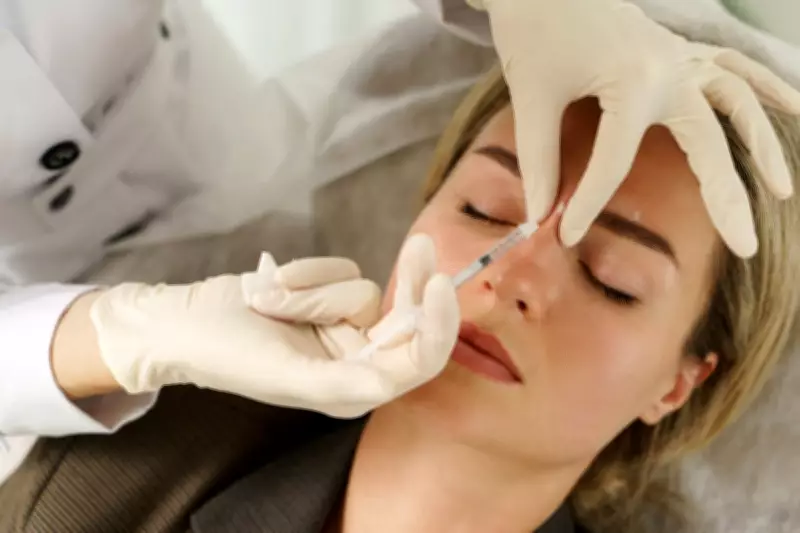
Medicines Watchdog Confiscates Illegal Fillers Valued Up to £4 Million
The Medicines and Healthcare products Regulatory Agency has issued a stark public health warning following the seizure of illegal dermal fillers with an estimated value reaching £4 million. Data obtained through a Freedom of Information request reveals that more than 27,000 units of unlicensed cosmetic injectables have been confiscated since January 2020, with the majority seized during 2023.
Serious Health Risks from Counterfeit Products
Medical experts have expressed grave concerns about the dangers posed by these unregulated products. Dr Emma Wedgeworth, consultant dermatologist and British Skin Foundation spokesperson, emphasised that counterfeit fillers bypass essential safety regulations, potentially leading to devastating complications. "Using these can put people at risk of disfigurement and infection, which can cause huge health issues," she warned.
The MHRA has been clear about the risks, stating that purchasing from illegal suppliers means "there are no safeguards to ensure it meets our quality and safety standards." The agency added that taking such medicines may "put your health at risk" due to the complete absence of regulatory oversight.

Composition Dangers and Administration Risks
Dr Raoul Novelli, a plastic surgeon based in Milan who works with cosmetic clinic Vip Italia, explained that the composition of counterfeit fillers presents significant dangers. "Such products may contain preservatives, silicone, various oils, or other harmful substances capable of triggering unpredictable biological reactions after injection," he detailed. These reactions can include severe allergic responses and the development of permanent scars.
The risks extend beyond product composition to include improper administration. When fillers are injected into or too close to blood vessels, they can block arteries, leading to:
- Tissue necrosis
- Serious infections
- Permanent scarring
- Nerve damage
- Asymmetry and overfilled appearance
- Skin discolouration
Identifying Counterfeit Products
Nora Nugent, consultant plastic surgeon and president of the British Association of Aesthetic Plastic Surgeons, highlighted several red flags that consumers should recognise. "Always be wary when a filler is very cheap, or is being provided outside of a healthcare setting or by a non-medical practitioner," she advised. Unlicensed fillers typically retail at lower prices than regulated alternatives, making suspiciously cheap treatments a warning sign.
Experts at Vip Italia provided additional guidance for identifying counterfeit products:
- Check for proper batch numbers and expiry dates
- Examine the filler's appearance - it should be clear and smooth, never cloudy or clumpy
- Inspect the syringe quality and branding - flimsy syringes or unclear printing indicate potential fakes
Scale of the Problem and Wider Context
The figures reveal a substantial enforcement effort, with 19,754 units confiscated in 2023 alone, compared to 631 units seized in 2025. While the MHRA doesn't hold exact valuation data, given that fillers typically retail between £25 and £150 per unit, the estimated value ranges from £677,450 to £4 million.
This crackdown on illegal fillers forms part of a broader enforcement picture. During 2025, the MHRA seized almost 20 million doses of illegally traded medicines with a potential street value approaching £45 million, indicating the scale of the unregulated medicines market.
Dermal fillers are injectable substances commonly used to target wrinkles and rejuvenate skin, but when obtained from unlicensed sources, they transform from cosmetic treatments into potential health hazards. The MHRA's warning serves as a crucial reminder that regulatory standards exist to protect public health, and bypassing them carries significant, potentially life-altering risks.