UK Pharmacist's Essential Airport Medication Guide for Travelers
Pharmacist's Airport Medication Advice for UK Travelers

A UK-based pharmacist has issued vital guidance for travelers carrying prescription medication through airports, warning that failure to follow specific protocols could result in medication being confiscated at border controls. With over half of the UK population regularly taking prescribed drugs for chronic conditions or short-term treatments, many travelers remain uncertain about proper procedures when journeying internationally.

Essential Medication Travel Protocols

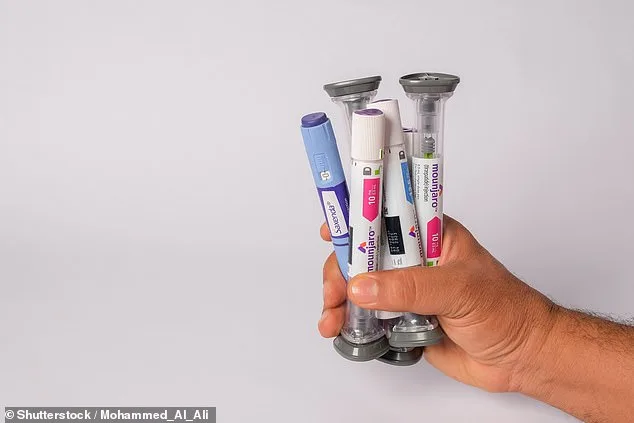
Clinical pharmacist Anum, who shares medical advice through social media platforms, has outlined comprehensive steps to ensure prescription drugs remain secure during air travel. "The general consensus across UK airports is that you can travel with any medications—including tablets, liquids, and inhalers—provided they are for personal use," Anum explained in a detailed video addressing common traveler concerns.

Hand Luggage Versus Hold Baggage

Anum strongly recommends keeping all prescription medications in hand luggage rather than checked hold bags. "This is particularly crucial for essential medications that you might need during the flight or in case of emergencies," she emphasized. The advice aligns with UK Government regulations that mandate carrying medicines containing controlled drugs in hand luggage when entering or leaving the country.

Packaging and Documentation Requirements

The pharmacist highlighted several non-negotiable requirements for traveling with prescription drugs. "Medications must remain in their original packaging, which should clearly display the drug name, your personal details, and the dispensing pharmacy information," Anum stated. Additionally, travelers must carry proof of prescription, which can include a doctor's letter, physical prescription, or digital verification through the NHS mobile application.

Special Considerations for Controlled Substances

Anum provided specific guidance for controlled medications, including ADHD treatments and certain strong painkillers. "For controlled drugs, you should only carry a maximum 30-day supply through UK airports, and documentation proving legitimate prescription is absolutely essential," she cautioned. Failure to provide adequate proof could result in border authorities confiscating these medications.

Destination Country Regulations

The pharmacist stressed the importance of researching medication regulations for destination countries. "Guidelines vary significantly between nations, and many travelers encounter problems by not checking requirements beforehand," Anum warned. Some medications that are legal in the UK may be restricted or banned in other jurisdictions, potentially leading to serious complications.

Traveler Experiences and Practical Challenges

Social media responses to the pharmacist's advice revealed common difficulties faced by medication-dependent travelers. One commenter shared: "Managing multiple daily medications for long-term conditions creates significant travel stress, especially when using pill organizers rather than original packaging." Another traveler noted: "I've never been questioned when carrying medications in original boxes, but I avoid certain painkillers that are prohibited in some countries."

The UK Government confirms that border officials may remove medications if travelers cannot demonstrate legitimate prescription ownership. This underscores the importance of thorough preparation and documentation when traveling with prescription drugs internationally.