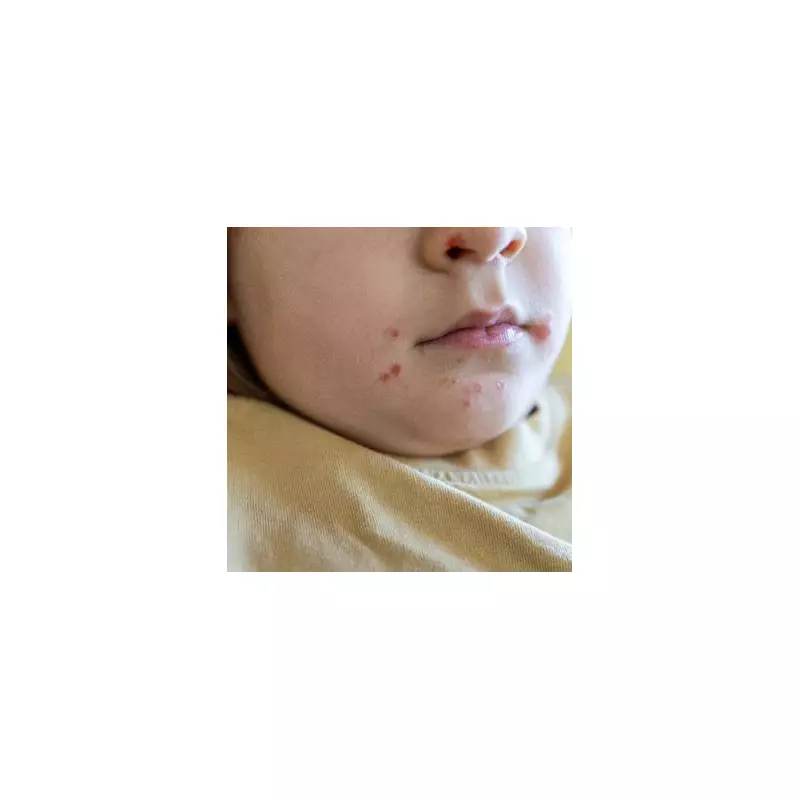
Superdrug's Top Pharmacist Issues Urgent 'Stay Home' Warning Over Contagious Skin Condition
Britons are being urged to stay vigilant about a highly contagious bacterial skin infection that is frequently misdiagnosed, potentially leading to delayed treatment and more severe health complications. Niamh McMillan, Superdrug's Pharmacy Superintendent, has issued a stark warning about the risks associated with impetigo, an extremely infectious condition that often gets mistaken for other common skin problems.
The Hidden Dangers of Misdiagnosis
Impetigo presents as red sores or blisters, typically appearing on the face, and is particularly common among young children whose immune systems are still developing. The condition progresses rapidly, with red sores quickly developing into fluid-filled blisters that may rupture. Once these blisters break open, a crust forms over the affected area, which can be both itchy and painful.
McMillan explains that swollen lymph nodes or tender swollen skin around infected areas can indicate that the infection has spread or worsened. In some cases, children with impetigo may develop a mild fever or feel generally unwell, adding to the discomfort and concern for parents.

Common Diagnostic Confusions
The pharmacist highlights that impetigo is regularly misdiagnosed as other skin conditions including eczema, cold sores, and even chicken pox. This diagnostic confusion can have serious consequences, as delayed treatment allows the infection to progress unchecked.
While most impetigo cases are not serious and can heal independently, leaving the condition untreated can lead to more significant health implications. These include cellulitis, which is a type of acute skin infection, deep soft tissue infections, and in rare but serious cases, bloodstream infections that require immediate medical attention.
Swift Treatment Options Available
With prompt attention, impetigo can be successfully treated through various approaches. McMillan recommends Superdrug's Pharmacy First service for those uncertain about whether they or a child has impetigo. This service allows pharmacists to assess the patient's condition and provide prescription medication as needed, including antibiotic creams or oral antibiotics to help clear the infection efficiently.
This represents a quick and convenient option for patients requiring immediate assistance, potentially preventing the condition from worsening while avoiding unnecessary delays in treatment.
Essential Prevention and Management Strategies
McMillan outlines several crucial steps for managing impetigo and preventing its spread:
- Maintain cleanliness: Gently clean affected areas with mild soap and water before applying any topical treatments. Avoid scrubbing the sores, as this can further irritate the skin and potentially worsen the condition.
- Don't scratch: Try to avoid scratching the infected area to reduce the risk of further spread. Keeping sores covered with a clean dressing may help prevent scratching and protect the area from dirt and bacteria that could complicate recovery.
- Isolation is crucial: To prevent spreading the infection to others, keep away from people until symptoms improve significantly. This may mean staying home from work or keeping children home from school until symptoms have improved or treatment has properly commenced.
The pharmacist's warning comes as a timely reminder about the importance of accurate diagnosis and prompt treatment for common but potentially serious infections. By recognising the signs early and seeking appropriate medical advice, individuals can ensure quicker recovery and prevent the spread of this highly contagious condition within communities and households across the UK.