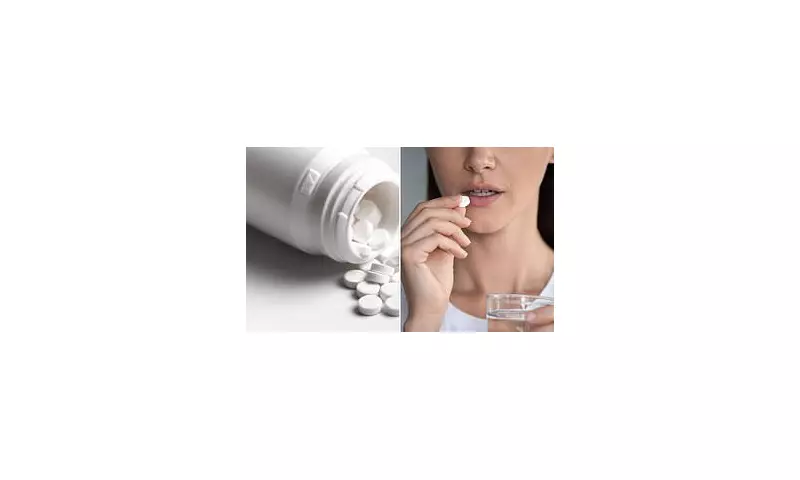
UK Pharmacy Crisis: Aspirin Rationed Amid Severe National Shortages
Pharmacies across the United Kingdom are implementing strict rationing measures for aspirin, prioritising patients with the most severe heart conditions amid what industry leaders describe as worrying nationwide shortages of this essential medication. The common drug, used by millions to reduce heart attack and stroke risks, has become increasingly scarce, prompting urgent calls for government intervention.
Widespread Supply Failures Reported
New data reveals that almost nine in ten pharmacies (86 per cent) have reported being unable to supply aspirin to patients during the past week. This alarming statistic comes from a comprehensive survey conducted by the National Pharmacy Association (NPA), which represents approximately 6,000 chemists across the country. The situation has become so critical that many pharmacies have ceased over-the-counter sales entirely, reserving limited stocks for emergency prescriptions and patients with acute cardiovascular conditions.
Manufacturing Delays and Pricing Pressures
The Independent Pharmacies Association, representing over 5,000 pharmacies, confirms similar struggles in sourcing aspirin, attributing the crisis partly to manufacturing delays. Dr Leyla Hannbeck, chief executive of the association, expressed grave concern, stating: "It is incredibly worrying to see shortages of essential medicines appearing in pharmacies. The reality is that the prices paid for many medicines by the NHS are so low that manufacturers often prioritise supplying other countries instead, leaving the UK pushed to the back of the queue."

This international competition for supplies has triggered significant price inflation. The NPA reports that a 75mg packet of dispersible aspirin tablets has skyrocketed from 18p last year to £3.90 this month. However, the NHS reimbursement rate remains fixed at just £2.18 per packet, creating a substantial financial loss for pharmacies each time they dispense the medication.
Critical Impact on Patient Care
Low-dose aspirin (75mg) plays a vital role in cardiovascular prevention through its antiplatelet effect, which helps prevent blood clots that can lead to heart attacks and strokes. Doctors typically prescribe it for patients who have experienced cardiovascular events, including heart attacks, strokes, transient ischemic attacks, angina, peripheral arterial disease, or those recovering from related surgeries.
Olivier Picard, chair of the NPA, highlighted the systemic failures: "For those pharmacies that can get hold of supply, costs will far exceed what they will be reimbursed by the NHS, yet more signs of a fundamentally broken pharmacy contract in desperate need of reform." The association is now advocating for regulatory changes that would allow pharmacies greater flexibility in supplying alternative preparations when prescribed medications are unavailable.
Government Response and Industry Demands
Despite aspirin recently being added to the government's export ban list to protect domestic supplies, the shortages persist. Pharmacy leaders are urgently calling for ministers to review how medicines are reimbursed within the NHS framework, arguing that current pricing structures make it economically unviable for manufacturers to prioritise the UK market.
The crisis particularly affects the 75mg dosage, though all aspirin formulations face supply challenges. With pharmacies losing an average of £1.72 per dispensed packet and patients potentially missing vital preventative treatment, industry representatives warn that immediate action is required to prevent further deterioration of this essential healthcare service.