Federal Housing Aid for Maui Wildfire Survivors Extended to 2027
In a significant move to support ongoing recovery efforts, US officials have granted an extension of housing assistance for survivors of the devastating 2023 wildfires in Hawaii. Governor Josh Green announced on Friday that the Federal Emergency Management Agency's temporary housing aid programme will now continue until February 2027, providing crucial relief to nearly 1,000 displaced households who faced uncertainty about their housing futures.
Critical Support Amid Housing Crisis
The decision comes as Maui continues to grapple with one of the tightest and most expensive rental markets in the United States, where rebuilding progress has been slow and available housing inventory remains critically low. US Department of Homeland Security Secretary Kristi Noem approved Hawaii's request for the extension, which Governor Green described as lifting "a weight I did not even realize I was carrying" for many affected families.
Kukui Keahi, a Lahaina fire survivor and associate director of Kako'o Maui Programs at the nonprofit Hawaiian Council, echoed this sentiment, stating that numerous families were carrying the same burden of uncertainty about their housing situation.

Background of the Disaster and Initial Response
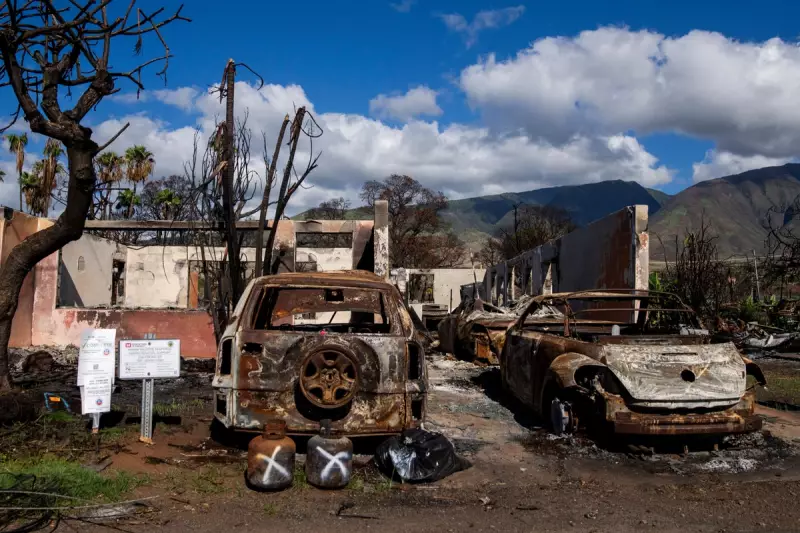
The catastrophic fires that swept through Lahaina and Kula in Maui's upcountry region during 2023 resulted in the destruction of 2,200 structures and claimed 102 lives. Following the disaster, then-President Joe Biden declared a major disaster, unlocking FEMA assistance that initially helped approximately 12,000 displaced people, 89% of whom were renters at the time of the fires.
The original 18-month assistance programme had already been extended once, continuing until February 2026. However, with minimal progress in home reconstruction and rental availability approaching zero, the state submitted another extension request in May 2025.
Unique Challenges of Maui's Recovery
Governor Green emphasised that "recovery doesn't follow an artificial deadline," expressing gratitude to Secretary Noem and the administration for acknowledging the ongoing realities facing families in Hawaii. While other states have experienced larger megafires, Maui's situation presents unique challenges due to limited housing stock and the island's remote location from the US mainland, making survivor relocation and reconstruction exceptionally difficult.
In the immediate aftermath, FEMA collaborated with the Red Cross to house 8,000 residents in hotels and temporary shelters. The agency subsequently transitioned families to various forms of housing assistance, including rental subsidies, temporary shelters installed on burned properties, and direct leasing of thousands of units to rent back to survivors.
Personal Impact and Community Response
For survivors like Steven Hew, a 52-year-old restaurant cashier whose family's multigenerational home in Lahaina was destroyed, the extension news came as an immense relief. Hew, who rents a subsidised apartment through FEMA, described himself as "shaking" upon hearing the announcement and expressed gratitude to the decision-makers, saying "Somebody had a heart and just said 'Yes.'"
He noted that many people were "on edge and scared" about what would happen if assistance wasn't extended, highlighting the programme's critical importance for those planning their next steps toward independent housing.
The coordinated response has involved multiple agencies including FEMA, state and county authorities, and various nonprofit organisations, all working to address the complex housing needs of displaced residents, most of whom wish to remain near Lahaina to maintain connections to work, schools, and community networks.