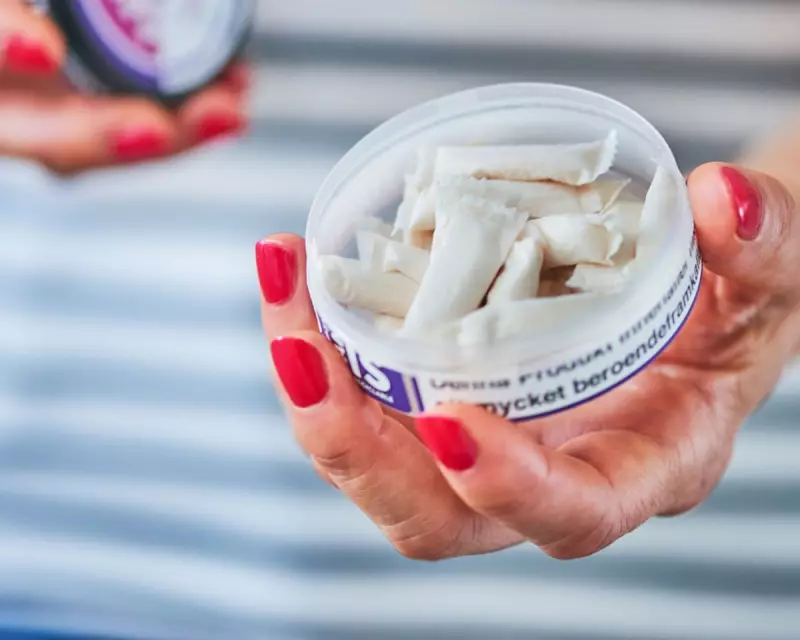
A significant shift in nicotine consumption is underway among young adults in Great Britain, with a new study revealing a sharp increase in the use of oral nicotine pouches. These small, tobacco-free sachets, placed between the gum and lip, are gaining rapid popularity, particularly within the 18-24 age bracket, raising fresh concerns about a new generation developing nicotine dependency.
Study Uncovers Rapid Adoption Among Young Adults
Research conducted by a team from University College London (UCL) and published in the journal Addiction has provided the first comprehensive snapshot of this trend. The study, led by Dr. Sarah Jackson, analysed data from nearly 10,000 people aged 18 and over across England, Scotland, and Wales. The findings are striking: while overall use remains relatively low at 2.4% of the adult population, it is concentrated heavily among younger people.
Among 18 to 24-year-olds, a notable 8.5% reported using nicotine pouches in the past month. This figure is significantly higher than the 1.5% usage rate observed among adults aged 25 and over. The data, collected between November 2023 and January 2024, suggests these products are being adopted at a remarkable pace by Generation Z. Dr. Jackson emphasised that this indicates a "substantial minority" of young adults are now engaging with this novel nicotine product.

Marketing, Perception, and Potential Risks
The surge in popularity is attributed to several factors. Nicotine pouches are often marketed as a modern, discreet, and sometimes flavoured alternative to smoking or vaping. They contain nicotine extracted from tobacco but no tobacco leaf itself, leading some users to perceive them as a cleaner or less harmful option. Furthermore, their use is not covered by the UK's indoor smoking ban, adding to their convenience.
However, public health experts are sounding the alarm. Professor Lion Shahab, a co-author of the study and a leading expert on tobacco and nicotine, warned that these products could be creating a new pathway into nicotine addiction for young people who might never have smoked. "The concern is we might be recruiting a new generation of nicotine users," he stated, highlighting the risk of normalising nicotine use through appealing products.
The research also explored the dual-use phenomenon. A significant portion of pouch users are current smokers or vapers, potentially using them in situations where smoking or vaping is impractical. While this could theoretically aid in reducing harm for existing smokers, the primary worry remains the attraction of nicotine-naive young adults.
Regulatory Gaps and Calls for Action
The current regulatory landscape for nicotine pouches in the UK presents a complex picture. As they contain no tobacco, they fall outside the scope of traditional tobacco control laws. Instead, they are regulated under general product safety legislation. This means there are no restrictions on where they can be used, how they can be advertised (beyond general consumer law), or what flavours can be offered—factors that likely contribute to their appeal to younger demographics.
The study's authors and other health bodies are now calling for closer scrutiny and potentially tighter regulations. Suggestions include standardised packaging, clear health warnings, a ban on flavourings that appeal to children, and restrictions on marketing, particularly on social media platforms popular with young people. The goal is to prevent these products from undermining decades of progress in reducing youth smoking rates.
The data shows that 57.1% of nicotine pouch users had never regularly smoked, a statistic that underscores the potential for these products to create entirely new nicotine dependencies. As Professor Shahab concludes, while the long-term health effects of pouches are still being studied, nicotine itself is a highly addictive substance with known impacts on adolescent brain development. The rapid rise of pouches in Great Britain signals an urgent need for policymakers to assess whether current controls are sufficient to protect a new generation from addiction.