The Independent's journalism is supported by our readers. When you purchase through links on our site, we may earn commission.
How Toxic Is Your Skincare? The Red Flag Ingredients to Watch Out For
With growing awareness around 'forever chemicals' and synthetic compounds, Radhika Sanghani consults leading experts to uncover what's really in her skincare routine – and identifies critical red flags consumers should monitor.
Monday 26 January 2026 06:00 GMT

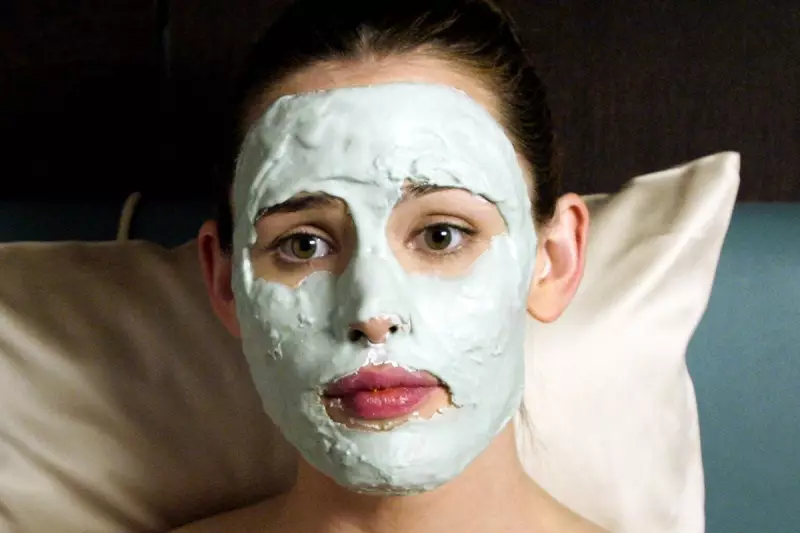
I believed I was taking excellent care of my skin. I selected products specifically designed for sensitive skin, applied sunscreen daily to guard against UV damage and premature ageing, and indulged in weekly Korean face masks hoping to achieve the coveted K-beauty "glass skin" effect. However, my diligent efforts might actually be worsening my skin condition. While I regularly read brand reviews, I neglected to scrutinise ingredient lists for potentially toxic components. Unknowingly, I've been applying harmful chemicals directly onto my skin.
Certainly, all products I use have been classified as safe for general use, with any "toxins" present in minimal quantities. Yet emerging research concerning everyday toxins – including synthetics, phthalates, and "forever chemicals" (a class of manmade chemical toxins known as PFAS, or per- and polyfluoroalkyl substances) – reveals that certain toxins can persist in our bloodstreams for years. Some skincare ingredients like parabens and phthalates have been associated with various health concerns ranging from skin conditions to endocrine disruption and even cancer.
The Personal 'Scare' Products Reality
Dr Jenny Goodman, a qualified medical and ecological doctor and author of Getting Healthy in Toxic Times, has abandoned the term "personal care products" because she believes they don't genuinely care for us – instead, she calls them "personal scare products."
"All the toxic chemicals penetrate the skin and enter the bloodstream," she explains. "They dissolve in fat, consequently migrating to the body's fattiest organ: your brain."
Leading skincare expert Gemma Clare highlights another significant issue: toxic load. Although these chemicals are deemed safe in small doses, their cumulative effect can create problems. "Our skin is a living, breathing organism. These ingredients compromise the skin barrier, allowing pathogens to enter and placing additional stress on the body's system. Your immune system becomes overactivated," she states.
"The cumulative effect presents a genuine challenge for the body to detoxify this toxic burden."
What's Really in Your Skincare?
The only reliable method to determine if you're applying toxins to your skin is to examine the ingredient lists of your products. When I presented my favourite products to Dr Goodman, she identified numerous synthetic chemicals and toxins within the lengthy ingredient lists.
My K-beauty face masks contain "fragrance" and "parfum" – generic terms that can mask any synthetic chemicals, including "phthalates." This group of synthetic chemicals has been proven to disrupt hormone systems and has been linked to birth defects. Meanwhile, my sunscreen contains multiple potential endocrine disruptors, and another product includes dipropylene glycol – a solvent that can cause skin irritation and was once named the American Contact Dermatitis Society's Allergen of the Year.
The list of concerning toxins is extensive and, for non-scientists, overwhelmingly confusing. Without constant access to Dr Goodman, I turned to "ecogolik," a free online ingredients checker. Simply copying and pasting product ingredients reveals their safety assessment. All my face masks failed the toxin-free approval test, along with my eye cream and sunscreen – though fortunately, my cleanser and moisturiser passed.
Most shockingly, clicking on the identified toxins in my skincare reveals that the majority have been linked to skin irritation and allergies. Dr Ophelia Veraitch, a consultant dermatologist, states that the chronic – and ironic – use of potential skin allergens in skincare represents a significant problem.

"Unfortunately, skincare and haircare products aren't generally formulated by individuals who understand skin, hair, or skin immunology," she says. "Cosmetic companies often disregard these concerns, and marketing predominantly targets women."
She has observed an "epidemic" of people developing skin allergies, resulting in conditions like rosacea – a chronic inflammatory skin condition causing redness that I personally experience – and even frontal hairline loss linked to contact allergies. Dr Veraitch believes many allergies develop in women over time due to various chemicals present in everyday skincare. Studies confirm that contact dermatitis from cosmetic products is a common complaint significantly affecting patients' quality of life.
Research indicates most cases originate from skin hygiene and moisturising products, followed by cosmetic hair and nail products. Fragrances represent the most common cause of cosmetic allergy, succeeded by preservatives and hair dyes.
"If you repeatedly expose skin and its immune cells to these antigens, eventually immune cells produce antibodies to the foreign ingredient," explains Dr Veraitch. "Because it's not an immediate allergy but a delayed reaction, identifying the culprit becomes difficult, especially as women frequently rotate between numerous different products."
She recommends that anyone with sensitive skin consult the European Baseline Series – a list of common allergens used for patient screening in Europe – to determine whether known allergens appear in their skincare.
Ingredients to Avoid
Several major "red flags" warrant avoidance in skincare ingredients. Dr Goodman begins with 'parabens,' chemicals widely used as preservatives to extend product shelf life that can cause skin irritation and are known endocrine disruptors linked to cancer.
The aforementioned phthalates also prove harmful, but since this term rarely appears on moisturiser labels, avoiding anything labelled "fragrance" or "parfum" is advisable as these can conceal potential toxins.
Clare additionally cautions against sulfates, known to disrupt the skin barrier. Sodium Laureth Sulfate (SLES) or Sodium Lauryl Sulfate (SLS) commonly appear in cleansers or lathering products despite being recognised irritants that can dry skin.
Formaldehyde represents another toxin frequently used in cosmetics as a disinfectant and preservative, sometimes appearing as FRPs (Formaldehyde-releasing preservatives). Although used in low doses, it is a known skin irritant, and the US Environmental Protection Agency (EPA) classifies it as "carcinogenic to humans."
Other common skin irritants in skincare products include:
- Phenoxyethanol – a preservative often replacing parabens that can cause skin irritation
- Benzophenones – used in products like lip balms as UV filters but suspected of being endocrine disruptors
Clare also advises against paraffins, chemicals commonly found in household brands. "They're used because they don't typically cause problems or skin irritation," she explains. "They mimic the skin's artificial barrier. The problem is the skin becomes lazy and fails to maintain its own barriers. It's like applying a band-aid rather than addressing the root cause."
Safer Alternatives
Dr Goodman offers straightforward advice: "It's best to purchase products with shorter ingredient lists." Fewer chemical names generally indicate better products, and recognisable herbal or mineral ingredients typically prove safer.
She also suggests choosing products approved by the UK's Soil Association or internationally recognised COSMOS – both organisations certifying organic products. While ensuring skincare is organic might seem unusual compared to groceries, COSMOS-approved products contain no microplastics or PFAS and use organically grown ingredients. The Soil Association specifies their products include "no controversial chemicals," "no parabens or phthalates," and "no synthetic colours, dyes or fragrances."
Dr Goodman emphasises trusting only "natural" or "organic" products with these certifications, as "greenwashing" represents a growing problem. The Soil Association notes that inadequate skincare regulation means products can be labelled 'natural' even if only one percent of ingredients derive from natural sources.
Their website provides a list of certified brands to explore, including:
- Georgia May Jagger's MAY botanicals, founded after her struggles with skin allergies
- Award-winning Pai skincare
- Dr Organic
- Odylique, a mother-daughter company creating skincare without petroleum, artificial additives, and other skin irritants
These brands suit individuals like myself with rosacea and sensitive skin – conditions Dr Veraitch suggests might have been caused by earlier skincare products. Shopping from this list eliminates the need to scour ingredient lists for harmful toxins, and numerous alternatives exist for previously favoured products.
MAY Botanicals offers a seaweed-based mask providing similar benefits to K-beauty masks without skin irritation risks. Odylique's "Maca mask" made from mineral clays effectively cleanses, though requiring mixing with water or yoghurt.
For those not seeking fully organic skincare but wishing to avoid the most harmful toxins, Dr Veraitch recommends simplicity. "If you have sensitive skin or allergies, use inexpensive cleansers and moisturisers. Fairly clean, family-friendly brands include Cetaphil and Cetraban."
She notes these options often surpass expensive luxury products – "typically, women spending substantial amounts on skincare, believing they're purchasing good skin, discover their products contain many of these [toxins]."
Regarding sunscreens, Gemma Clare suggests mineral-based options like Odylique's SPF 30 for sensitive skin, which lacks synthetic UV filters. "With chemical sunscreens, you rely on sunlight contacting skin and chemicals working with heat to dispel – for me, this proves less safe for skin," she explains. "Mineral options create a protective shield lasting longer. Even comparing chemical SPF 50 with mineral SPF 30, the mineral version degrades slower and carries fewer risks."
A Balanced Approach
The temptation to discard every non-certified organic skincare product is understandable, but experts stress that being completely toxin-free is impossible in our modern world. "Not all synthetics are bad," says Dr Veraitch, noting that "chemical" shouldn't automatically signal rejection, especially since water is technically a chemical.
Gemma Clare highlights that "it's not just one ingredient," recommending consideration of the entire product mix. She uses both toxin-free brands and others containing minimal toxins. "I weigh costs and benefits," she explains. "A product might contain few synthetic ingredients, but knowing the clinical efficacy benefits sometimes justifies achieving desired results."