Archaeologists have pieced together a remarkably detailed picture of what ancient Italians ate over 2,500 years ago, thanks to a pioneering analysis of Iron Age teeth fossils discovered at a key Italian site. The findings provide compelling evidence that diets were already diverse and included fermented foods and beverages long before the Roman Empire's rise.
Teeth as Time Capsules: Unlocking Ancient Biographies
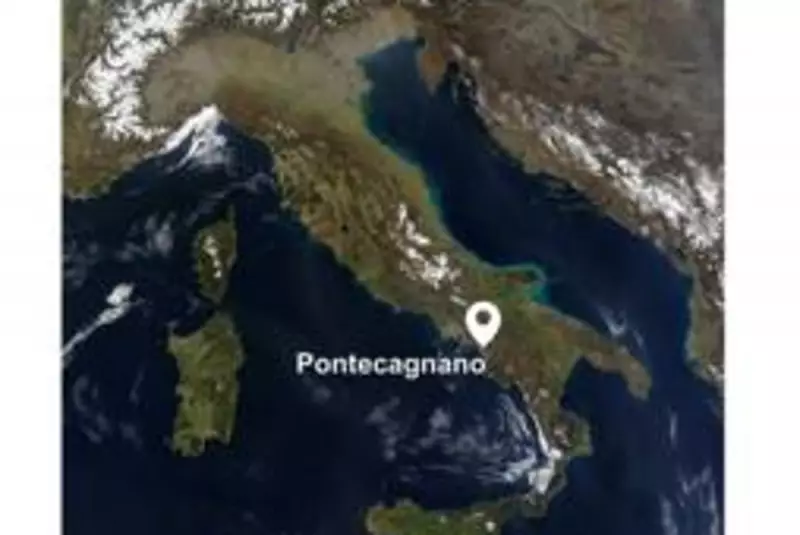
Reconstructing the daily lives of ancient populations is notoriously difficult, often relying on rare and well-preserved remains. In this groundbreaking study, published in the journal PLOS One, scientists turned to a unique biological archive: human dental tissue. By examining 30 teeth from 10 individuals excavated from the Pontocagnano archaeological site in Italy, researchers could trace life histories from early childhood.
The team, led by authors including Roberto Germano and Emanuela Cristiani, combined multiple analytical techniques. They focused on canine and molar teeth, which record growth and dietary information from the first six years of life. Alessia Nava of Sapienza University of Rome highlighted that this multidisciplinary approach represents a major technological leap in studying past populations.

A Diverse and Sophisticated Iron Age Menu
The microscopic analysis of dental calculus—hardened plaque—yielded stunning results. Researchers identified:
- Starch granules from cereals and legumes, indicating a plant-rich diet.
- Yeast spores and plant fibres, offering strong proof of fermented food and drink consumption.
- Evidence of abundant carbohydrates.
This suggests that between the 7th and 6th centuries BC, these communities enjoyed a varied diet. The study authors propose that this diversification likely coincided with increased contact and cultural exchange across the Mediterranean.
Childhood Stress Recorded in Enamel
Beyond diet, the teeth told a story of health and hardship. Scientists observed distinct signs of physiological stress in the dental enamel, occurring around the ages of one and four years old. These markers likely correspond to periods of illness or malnutrition, providing a poignant glimpse into the challenges of Iron Age childhood.
While the sample comes from a single community and may not represent all of ancient Italy, the research delivers what Emanuela Cristiani calls a "very concrete picture" of daily life. It shows how these early Italians adapted to their environmental and social landscape, setting the table for the historical developments that would follow.