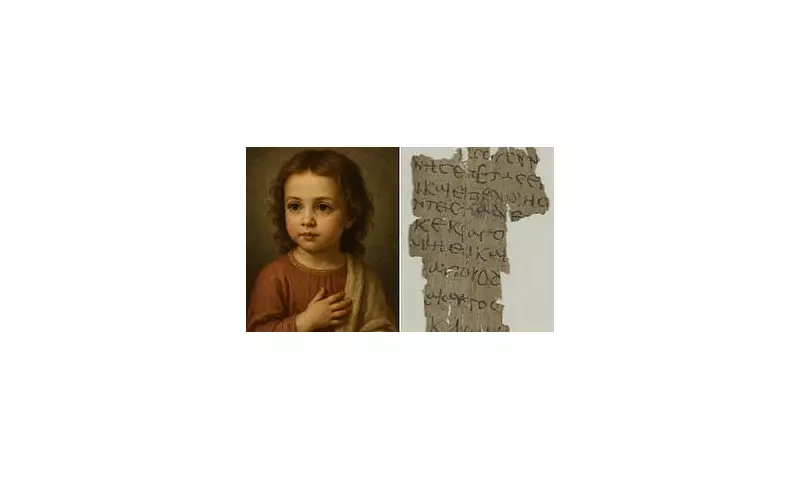
A religious text, excluded from the Bible nearly two millennia ago, has resurfaced, revealing astonishing and controversial accounts of Jesus Christ's early years that challenge traditional narratives.
Known as the Infancy Gospel of Thomas, this ancient document was written approximately 1,900 years ago and portrays a young Jesus performing miraculous feats, from bringing clay birds to life to healing severe injuries. However, it also depicts a more troubling, vengeful side of the child, leading the early Church to suppress it for centuries.
The Miraculous and The Dark
The gospel begins when Jesus is just five years old, filling a significant gap before his traditional first mention in the Bible at age twelve. It describes a series of extraordinary events, including Jesus resurrecting a child who died of illness, bringing dried fish back to life, and miraculously stretching a piece of wood to help his father, Joseph, complete a carpentry job.

Yet, a darker narrative runs parallel. In one disturbing episode, a child accidentally bumps into Jesus, who responds by cursing the boy, causing his immediate death. When villagers complain to Mary and Joseph, Jesus strikes the accusers blind. The text shows Joseph physically reprimanding Jesus, pulling his ear, to which the child angrily replies, "Don't you know that I don't really belong to you? Don't make me upset."
Rejection by the Early Church
The early Church authorities ultimately rejected this gospel, deeming it inauthentic and heretical. The primary reasons for its exclusion were its portrayal of Jesus as a violent and petulant child, which directly conflicted with orthodox Christian teachings about his sinless nature.
Further compounding its problems were its late composition date and associations with Gnostic literature, a branch of early Christianity often at odds with church doctrine. Unlike the canonical gospels—Matthew, Mark, Luke, and John—which were written by apostles or their close associates, this text claims authorship by 'Thomas the Israelite,' an otherwise unknown figure not identified as the apostle Thomas.
A Glimpse into a Hidden History
Beyond the shocking tales of vengeance, the text is also filled with accounts of profound compassion. Jesus is shown healing a woodcutter who chopped his foot with an axe, instantly curing him. When a water jug breaks, he miraculously carries water in his cloak. He multiplies a single grain of wheat into a bounty for the poor and even heals his brother James from a deadly snakebite.
The discovery of the earliest known manuscript fragment in 2024 has reignited scholarly interest, offering a fresh perspective on the diverse beliefs that existed within early Christianity. This lost gospel remains a powerful testament to the complex and varied understandings of Jesus' life that circulated outside the official canon.