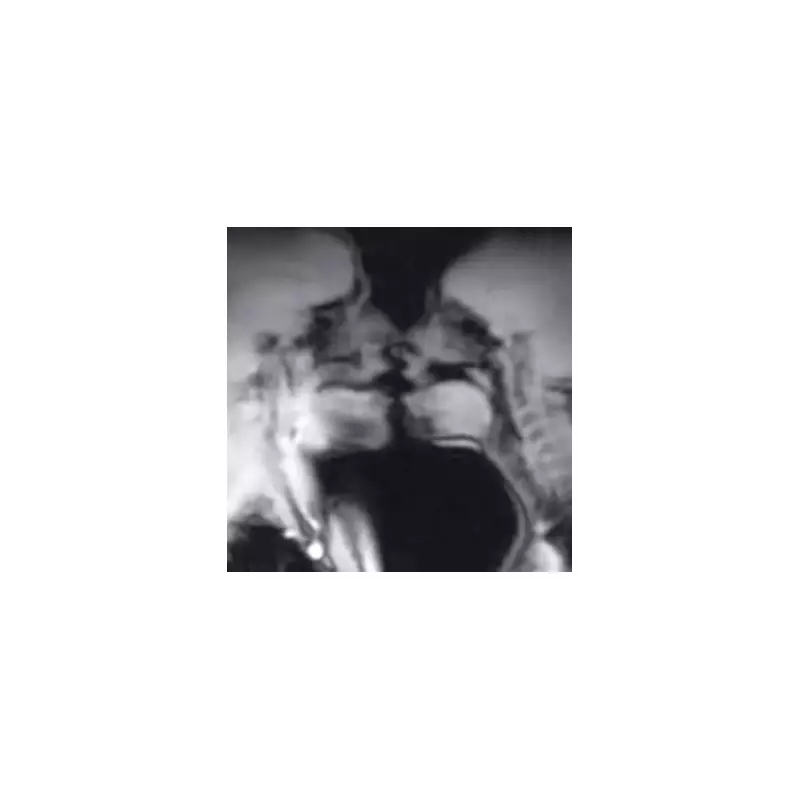
A pioneering and intimate scientific study, conducted over two decades ago, continues to intrigue medical professionals due to one particularly baffling bodily reaction observed during intercourse. The experiment, which involved couples having sex inside a magnetic resonance imaging (MRI) scanner, was published in the British Medical Journal in 1999 and yielded unprecedented visual data on human anatomy.
The Groundbreaking Experiment
The study was made possible by volunteers, including Ida Sabelis and her partner Jupp, who participated to advance scientific understanding. In total, eight couples and three single women took part. The researchers successfully demonstrated that capturing MRI images of male and female genitals during coitus was not only feasible but provided valuable insights. They documented that in the missionary position, the penis took on a boomerang-like shape, with one-third of its length comprising the internal root. For women, sexual arousal led to a raised uterus and a lengthened anterior vaginal wall, though the uterus itself did not increase in size.
The Unexplained Bladder Mystery
Beyond these anatomical observations, the study uncovered a consistent and puzzling phenomenon. In all 13 instances of intercourse recorded inside the MRI machine, scientists noted that the female participant's bladder would rapidly fill up. This occurred even though most of the women had emptied their bladders prior to the procedure. This unexpected finding has left experts without a definitive explanation for decades.

One theory, proposed by expert Menko Victor 'Pek' van Andel, suggests it could be an evolutionary adaptation designed to encourage women to urinate after sex, potentially helping to flush out bacteria and prevent urinary tract infections. However, this hypothesis remains unconfirmed. The persistent presence of a full bladder on the final scans continues to be a topic of scientific curiosity.
Volunteer Motivation and a Stark Warning
Reflecting on the unusual experience, Ida Sabelis described the act as an 'act of love and a performance', motivated by her advocacy for women's rights and a desire to broaden knowledge of the female body in science and medicine. She noted that while the setting was not romantic, it was successful without medical aids.
The article also serves as a serious reminder of the dangers of metal near MRI scanners, referencing a separate, horrific incident where a woman suffered major injuries after a sex toy containing metal was violently pulled from her body by the machine's powerful magnet. This underscores the critical importance of heeding safety warnings before undergoing any scan.
While the 1999 experiment was conducted safely and contributed unique data, the mystery of the rapidly filling bladder during intercourse endures, highlighting how much there still is to learn about the complexities of the human body.