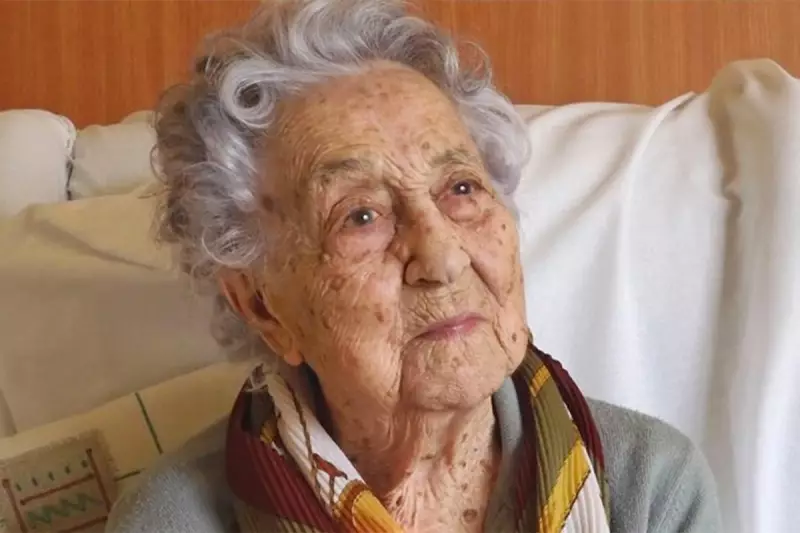
In a landmark study, scientists have conducted one of the most detailed examinations ever of a supercentenarian, offering profound insights into the biological underpinnings of extreme longevity. The research, centred on María Branyas Morera who passed away in 2024 at the remarkable age of 117, suggests that nurturing a healthy gut microbiome could be a powerful tool for supporting lifelong health.
A Scientific Gift: Analysing a Unique Microbiome
Before her death, Branyas, who lived at the Residencia Santa Maria del Tura nursing home in Olot, Catalonia, agreed to participate in research aimed at unlocking the secrets of her long and healthy life. The findings, published in the journal Cell Reports Medicine, reveal that her gut microbiome was exceptionally diverse, rivalling that of individuals decades younger.
Typically, as people age, their gut microbiomes lose diversity and beneficial microbes like Bifidobacterium decline, a process linked to increased frailty. However, Branyas's gut told a strikingly different story. Her microbiome was not only diverse but also exceptionally rich in the bacterial family Bifidobacteriaceae, including high levels of the genus Bifidobacterium. This pattern mirrors previous findings in other centenarians and supercentenarians.

The Diet Connection: Yoghurt and Mediterranean Habits
Researchers point to Branyas's lifestyle as a likely contributor to her youthful gut ecosystem. She reported eating three yoghurts every day, each containing live bacteria known to promote the growth of beneficial Bifidobacterium. Furthermore, she adhered to a largely Mediterranean diet, a eating pattern consistently associated with greater gut microbiome diversity and overall good health.
This diet, rich in vegetables, fruits, whole grains, legumes, and olive oil, with minimal red meat and processed foods, provides both probiotics and prebiotics. Probiotics, found in fermented foods like kefir, kimchi, and sauerkraut, are live beneficial bacteria. Prebiotics, found in foods like onions, garlic, bananas, and oats, are the dietary fibres that these microbes thrive on.
Genes, Guts, and the Path to Resilience
The study acknowledges that Branyas's extraordinary lifespan was the result of a complex interplay of factors. Genetic analysis confirmed she carried protective variants against common diseases. However, the gut microbiome represents an area where individuals have significant control through diet and lifestyle choices.
While the research involved a single individual and doesn't claim her microbiome alone explains her longevity, it reinforces a growing scientific consensus. Nurturing a diverse and beneficial gut microbiome is strongly linked to better health, resilience, and a reduced risk of chronic diseases like cancer, type 2 diabetes, and cardiovascular conditions.
Although no one can guarantee a life beyond 110, the lessons from María Branyas Morera's life are clear. Lasting health depends on a delicate balance of genetics, lifestyle, and biology. While we cannot choose our genes, actively tending to our gut microbiome through dietary choices is a meaningful and accessible step toward supporting our health for years to come.