In a remarkable medical achievement, surgeons have successfully kept a patient alive for two full days without his natural lungs by employing an innovative artificial system. This groundbreaking procedure provided critical support while the 33-year-old man awaited a life-saving double lung transplant.
A Desperate Situation Demands Radical Intervention
The patient developed acute respiratory distress syndrome (ARDS) following a severe flu infection, which rapidly progressed to bacterial pneumonia. His condition deteriorated alarmingly, with inflammation and infection causing irreparable damage to his lung tissue. As his lungs, heart, and kidneys began to fail, medical professionals faced an urgent crisis.
"He was critically ill. His heart stopped as soon as he arrived. We had to perform CPR," recalled Dr Ankit Bharat, the lead thoracic surgeon at Northwestern University in Illinois who spearheaded the operation. "When the infection is so severe that the lungs are melting, they're irrecoverably damaged. That's when patients die."

Engineering an Artificial Solution
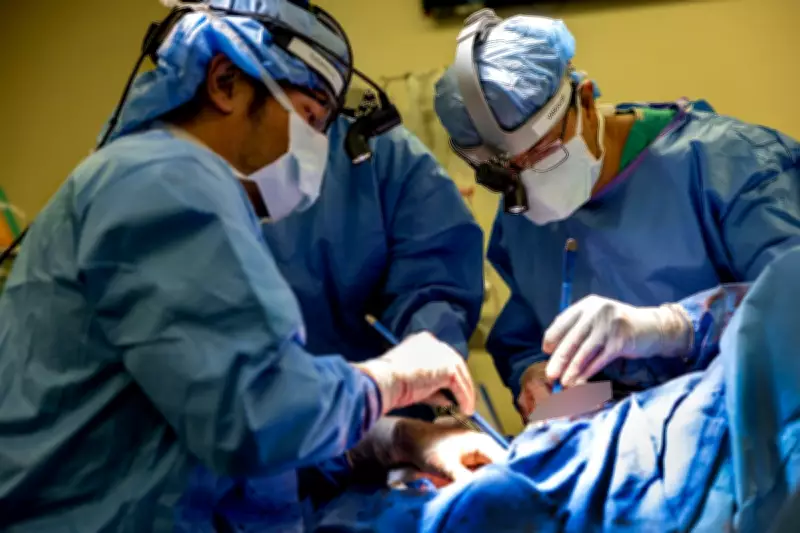
With the patient's body too weakened to immediately accept donor lungs and needing time to recover from the infection, surgeons devised an extraordinary solution. They removed both infected lungs and constructed an artificial lung system to temporarily assume their vital functions.
This sophisticated system oxygenated the patient's blood, removed carbon dioxide, and maintained stable blood circulation throughout his heart and body. Remarkably, once the damaged lungs were removed, the patient's other organs and blood pressure began to show signs of recovery.
The Transplant and Recovery Journey
After two days of breathing through the artificial system, suitable donor lungs became available. Surgeons performed the double lung transplant, and more than two years later, the patient has returned to daily life with good lung function.
Dr Bharat explained the significance of this case: "For the first time, biologically, we are giving molecular proof that some patients will need a double lung transplant, otherwise they will not survive." Analysis of the removed lungs revealed widespread scarring and immune damage, confirming the tissue had reached an irreversible stage.
The UK Transplant Landscape
This breakthrough comes against a challenging backdrop for lung transplantation in the United Kingdom. Only approximately 150 to 200 lung transplants are performed annually across the UK, with significant difficulties in finding suitable donor lungs and appropriate matches for individual patients.
Charity organisation Action for Pulmonary Fibrosis highlights the persistent shortage of suitable donor lungs available within the UK healthcare system. Dr Bharat noted that "conventionally, lung transplant is reserved for patients who have chronic conditions like interstitial lung disease or cystic fibrosis."
Potential for Future Medical Practice
Currently, using an artificial lung system remains a rare procedure limited to highly specialised medical centres with specific expertise and resources. However, the surgical team involved in this pioneering case hopes the methodology will evolve into more standardised devices that could sustain patients while they await transplants.
"In my practice, young patients die almost every week because no one realised that transplantation was an option," Dr Bharat revealed. "For severe lung damage caused by respiratory viruses or infections, even in acute settings, a lung transplant can be lifesaving."
This case challenges conventional medical thinking about ARDS treatment, suggesting that earlier consideration of transplantation combined with artificial support systems could save lives previously considered beyond help. The successful integration of artificial organ support with transplantation represents a significant advancement in critical care medicine.