A significant global review of medical reports has identified hundreds of cases where cancer was newly diagnosed or rapidly progressed shortly after Covid-19 vaccination. The findings were published earlier this month, only for the hosting journal's website to be knocked offline by a sophisticated cyberattack.
Key Findings of the Cancer Review
The peer-reviewed study, published in the journal Oncotarget on January 3, was conducted by researchers from Tufts University and Brown University. The team analysed 69 previously published studies and case reports from 2020 to 2025, spanning 27 countries including the UK, US, Japan, and Italy.
Their analysis pinpointed 333 individual instances where patients received a cancer diagnosis or saw an existing cancer worsen dramatically within weeks of receiving a Covid-19 vaccine or booster. The research noted patterns across diverse populations, with no single country dominating the reports, indicating a globally observed phenomenon.

The authors were careful to state that their review does not prove the vaccines cause cancer, but instead highlights concerning patterns that warrant deeper scientific investigation. The paper called for rigorous follow-up studies to assess any potential links.
Cyberattack Silences Scientific Journal
Days after the paper's publication, the Oncotarget website became inaccessible, displaying a 'bad gateway' error. The journal confirmed it was victim of an ongoing cyberattack and reported the incident to the FBI.
In social media posts, one of the paper's lead authors, Dr Wafik El-Deiry of Brown University, expressed serious concern. He suggested the attack was an act of censorship aimed at preventing the scientific community and public from accessing the new research. 'Censorship is alive and well in the US, and it has come into medicine in a big, awful way,' El-Deiry wrote on X.
Before the site crashed, Oncotarget alleged, without providing evidence, that the hackers might be connected to the anonymous research review platform PubPeer. PubPeer has firmly denied any involvement, stating no one associated with its platform was connected to the incident.
Detailed Patterns and Calls for Further Research
The review compiled data from large-scale studies, including one of 1.3 million US military personnel that noted a rise in certain blood cancers after 2021. Other major analyses covered hundreds of thousands of people in Italy and millions in South Korea, finding higher rates of thyroid, colon, lung, breast, and prostate cancers among the vaccinated.
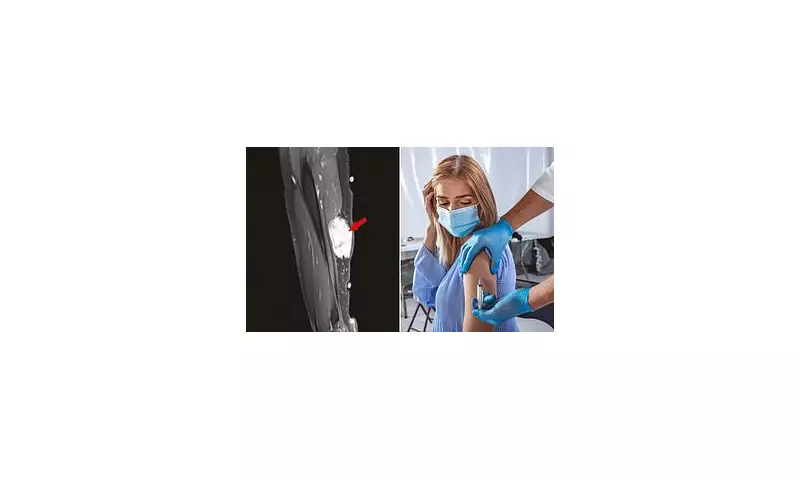
The research also detailed cases of slow-growing cancers suddenly flaring up post-vaccination and incidents where the jab appeared to reactivate viruses linked to cancer. Many reports involved tumours near the injection site in the arm.
The risk profiles varied, with adults under 65 showing higher risk for thyroid and breast cancers, and those over 75 having a higher risk for prostate cancer. The study also found that patients receiving more doses and boosters later experienced higher rates of some cancers, like gastric and pancreatic.
The researchers concluded by emphasising the urgent need for comprehensive epidemiological and mechanistic studies to understand any possible connection between Covid-19 vaccination, infection, and cancer signals.