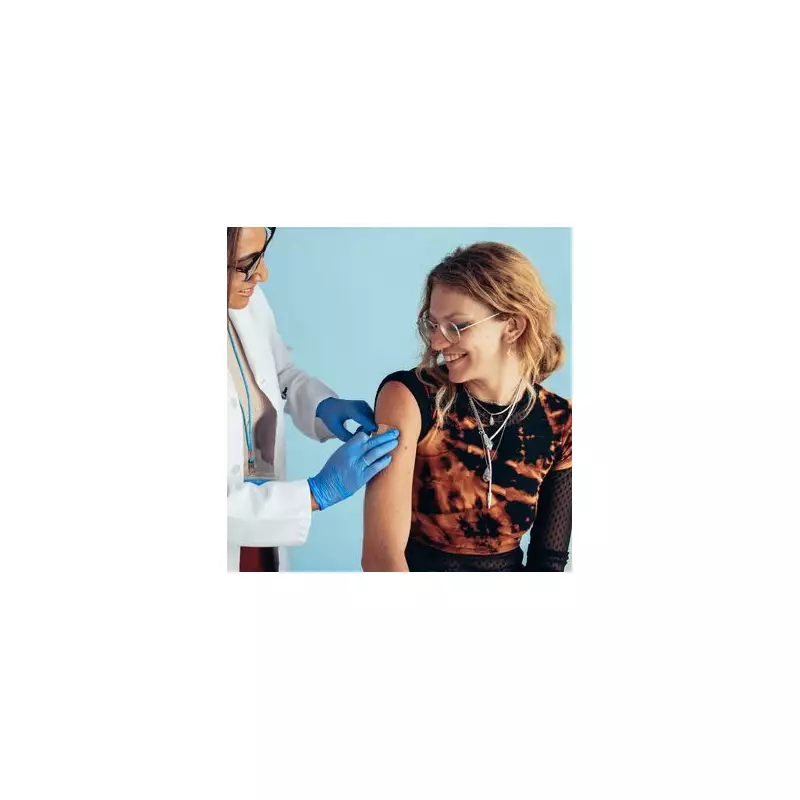
Health authorities across the United Kingdom are issuing urgent calls for vaccination as influenza activity reaches concerning levels. A significant winter wave, driven largely by an emerging strain known as H3N2, is placing pressure on health services and putting vulnerable populations at risk.
Rising Cases and Hospital Admissions
Latest surveillance data from the UK Health Security Agency (UKHSA) confirms that flu transmission is now at a 'medium' level of activity nationally. While laboratory positivity showed a slight dip to 13.9% for the week ending January 8, 2026, the overall threat remains substantial.
Hospital admissions have held steady at medium levels, with an overall admission rate for influenza standing at 7.19 per 100,000 people. This sustained pressure underscores the virus's continued circulation and impact.

Professor Meghana Pandit, NHS national medical director, warned: "It's clear that the worst is far from over for the NHS this winter, with hospitals again experiencing a rise in patients admitted with flu and other respiratory virus cases last week." She emphasised the continued importance of seeking care when needed and getting vaccinated.
How the Vaccine Protects You
The annual flu jab is a critical defence mechanism. It works by introducing a small, inactivated amount of the virus into the body, prompting the immune system to build antibodies. This process means your body can recognise and fight off the real virus more effectively if you are exposed later.
It takes roughly 10 days after vaccination for full protection to develop. Crucially, the vaccine cannot give you the flu, as the virus within it is not live. Health Secretary Wes Streeting reinforced the message: "Flu can be serious, particularly for older people, young children and those with underlying conditions, and vaccination remains the best protection. I urge everyone who is eligible to get their flu jab as soon as possible."
Who Qualifies for a Free NHS Flu Vaccine?
The NHS provides free flu jabs to specific groups considered at higher risk of severe complications. Eligibility is based on age, health status, and caring responsibilities. You are entitled to a free vaccination if you fall into one of the following six categories:
- You are aged 65 or over (including those who will turn 65 by 31 March 2026).
- You have certain specified long-term health conditions (such as asthma, heart disease, or diabetes).
- You are pregnant.
- You live in a long-stay residential care home.
- You are the main carer for an older or disabled person, or you receive Carer's Allowance.
- You live with someone who has a weakened immune system (e.g., someone having chemotherapy).
How to Get Your Vaccination
If you are eligible, obtaining your free jab is straightforward. You can book an appointment directly with your GP surgery. Alternatively, if you are 18 or older, you can book at a participating pharmacy online or via the NHS app.
Many pharmacies also offer walk-in services without an appointment, though this is not universal. You can find your nearest pharmacy offering the NHS flu jab by using the online NHS service finder. Full details on the vaccine, including its ingredients, are available on the official NHS website.
With the H3N2 strain continuing to circulate, health professionals stress that vaccination is the most effective step to protect yourself and help alleviate the strain on the NHS this winter.