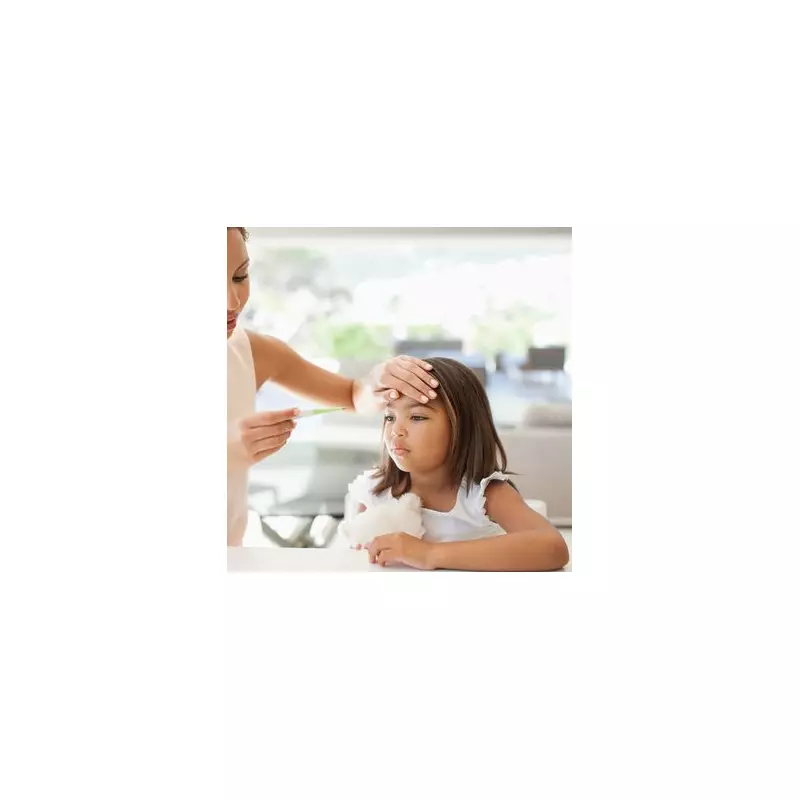
The UK Health Security Agency (UKHSA) has issued a stark warning as the Respiratory Syncytial Virus (RSV) season begins, with a notable climb in cases coinciding with the recent cold snap. While common and often mild, this virus poses a serious threat to the very young and the elderly.
Later Start, Significant Threat
New respiratory surveillance data reveals that RSV levels, which had remained relatively low, are now increasing. This marks a later onset for the virus season compared to previous years. In contrast, the flu season began significantly earlier.
RSV infects roughly 90% of children within their first few years of life. For most, it causes mild, cold-like symptoms. However, it can escalate into severe lung infections such as pneumonia and infant bronchiolitis. It is the leading cause of infant mortality across the globe.

Vaccination is Key Defence
To shield newborn babies, the NHS offers a vaccine to pregnant women at 28 weeks, a step recommended during every pregnancy. The virus also has a severe impact on older adults. Consequently, the health service is offering the vaccine to those aged between 75 and 79, as well as anyone who turned 80 after 1 September 2024.
With the festive period approaching, health officials are urging all eligible individuals to get their flu jab. Appointments can be booked via the NHS booking system or a local GP surgery.
From this weekend, NHS teams are intensifying their winter flu vaccine campaign by establishing pop-up clinics in high-traffic areas like shopping centres, high streets, and football clubs. Those most at risk of severe complications from the flu—including everyone over 65, pregnant women, and people with specific long-term health conditions—are eligible.
Parents are being called upon to sign and return consent forms for school-aged children (reception to year 11) or to book an appointment with their GP for 2-3 year olds to ensure their child is vaccinated against flu. Maternity services also provide vaccinations for expectant mothers.
Although Covid-19 activity has decreased, the UKHSA continues to encourage eligible people to get the Covid-19 vaccine to reduce the risk of severe illness.
Expert Advice and Protective Measures
Dr Alex Allen, a consultant epidemiologist at UKHSA, commented on the shifting trends: "This week's data shows how respiratory virus seasonal trends can vary from year to year, with RSV starting later than expected and flu starting over a month earlier. We still expect to see further increases as we head into the colder winter months."
He added, "With temperatures already starting to drop this week, we expect to see an increase in indoor mixing, which is why it's particularly important if you're eligible, to get vaccinated—it remains our best defence against severe illness and hospitalisation."
People are reminded of simple steps to protect themselves and the wider community. Anyone with flu or Covid-19 symptoms—such as a high temperature, cough, or feeling tired and achy—should minimise contact with others, especially those who are more vulnerable.
Regular hand washing, ensuring good indoor ventilation, and considering wearing a face mask when going out with symptoms are all recommended practices.
Amy Douglas, a lead epidemiologist at UKHSA, also addressed Norovirus, noting that while cases are within expected levels, the highest rate is currently in children. She advised: "If your child has any symptoms, please keep them off school or nursery until 48 hours after their symptoms stop."
She emphasised that alcohol gels do not kill norovirus, and the best prevention is washing hands with soap and warm water and using bleach-based products to clean surfaces.