US Health Officials Sound Alarm Over Declining Vaccine Rates Among Older Americans
Health authorities across the United States are expressing serious concern as vaccination rates among older Americans show a marked decline. Newly released data from the Centers for Disease Control and Prevention's National Center for Health Statistics reveals troubling trends that could have significant implications for public health.
Significant Drop in Flu Vaccination Rates
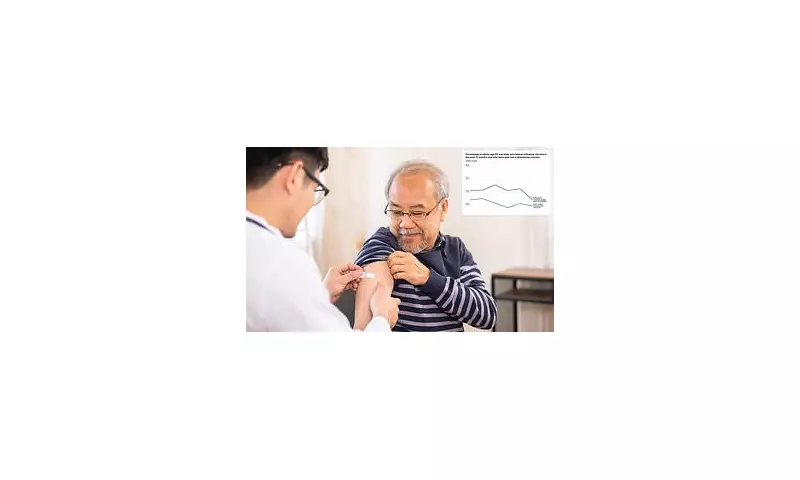
The latest figures indicate that the proportion of adults aged 65 and over who received a flu vaccine in the past year has fallen by six percent in 2024 compared to the previous year. This represents a notable departure from the period between 2019 and 2023, when approximately seven in ten older adults consistently received their annual influenza vaccination.
In 2024, that rate has dropped to just two-thirds of older Americans, according to the NCHS data. The influenza vaccine typically demonstrates effectiveness ranging from 30 to 75 percent in preventing the virus, making this decline particularly concerning for vulnerable populations.

Pneumonia Vaccine Rates Also Show Decline
The data reveals a parallel decrease in pneumonia vaccination rates among the elderly population. As of 2024, approximately 3.5 percent fewer adults over 65 have received a pneumonia vaccine in their lifetime compared to 2019, with rates falling from 67 to 65 percent. This decline has continued over the past year, dropping from about 66 to 65 percent.
The pneumonia vaccine, which is approximately 50 to 80 percent effective, is specifically recommended for children under two and adults over 50 in the United States. These groups face the highest risk of developing severe illness and complications including respiratory failure, bloodstream infections, and sepsis.
Heightened Risks for Elderly Populations
Vaccination against respiratory viruses holds particular importance for older Americans, who demonstrate increased susceptibility to hospitalization and death from influenza due to naturally weakened immune systems. The CDC emphasises that the majority of deaths from both flu and pneumonia occur in adults aged 65 and older.
Dr Peter Kowey, professor of medicine and clinical pharmacology at Thomas Jefferson University in Philadelphia, highlighted the gravity of the situation. "Vaccination rates are declining in all age groups, but it is most surprising that immunizations against potentially lethal diseases are declining in the elderly," he stated. "This is the group that has been identified as being most vulnerable to being hospitalized or dying from diseases like COVID-19, influenza and pneumonia."
Demographic Variations in Vaccination Uptake
The data reveals significant demographic disparities in vaccination rates. Regarding flu vaccination, men over 65 showed slightly higher uptake than women, with rates of 68 percent compared to 66 percent. Vaccine likelihood increased with age, with 63 percent of adults aged 65-74 receiving the vaccine compared to 72 percent of those aged 75-84 and 75 percent of those over 85.
Racial disparities were evident, with white non-Hispanic adults seven percent more likely to receive the flu shot than Black Americans and nine percent more likely than Hispanic adults over 65. Economic factors also played a role, as only 58 percent of adults earning less than 100 percent of the federal poverty level received the vaccine compared to 74 percent of those earning 400 percent of this level.
Pneumonia Vaccine Disparities
For pneumonia vaccination, women over 65 demonstrated seven percent higher uptake than men, with rates of 67 percent compared to 62 percent. Similar to flu vaccination patterns, uptake increased with age, though rates dipped slightly among those over 85.
Significant racial disparities persisted, with 68 percent of white adults over 65 reporting vaccination compared to 55 percent of Black adults and 49 percent of Hispanic adults. Economic factors similarly influenced uptake, with just 51 percent of those earning below the federal poverty level vaccinated compared to 70 percent of those earning four times this amount.

Expert Concerns and Contributing Factors
The decline in vaccination rates emerges as particularly concerning this year with the emergence of the new H3N2 subclade K influenza strain, which has been affecting retirement homes and long-term care facilities across the United States. The CDC estimates that adults over 65 account for between 70 and 85 percent of influenza deaths and approximately 80 percent of pneumonia fatalities.
While the precise reasons for the vaccination decline remain unclear, experts point to several potential contributing factors. These include insurance and Medicare barriers, alongside growing distrust of medical professionals and vaccines in general. Dr Kowey expressed concern about the influence of misinformation, stating: "Since elderly patients have more contact with health care providers, I fear that some practitioners and patients have been badly influenced by misinformation emanating from political leaders, social media and pseudo-scientists."
Urgent Calls for Action
Medical professionals are urging healthcare providers to communicate the risks clearly to older patients. Dr Kowey emphasised: "As principled practitioners, we need to deliver a clear message about the clear need for vaccines. Vaccines save lives and they are safe. These facts have been proven beyond doubt in solid scientific studies across the board, without exception."
He further explained the particular vulnerabilities of elderly patients: "Older people have more diseases that can be exacerbated by an infection. Heart and lung disease, for example, render elderly patients much more susceptible to severe manifestations like heart failure and pneumonia. It takes much longer for older individuals to recover from a severe infection and return to a normal level of function."
The NCHS report reinforced these concerns, stating: "Older adults face higher risks of certain diseases because immune systems tend to weaken with age, and they also are more likely to have other underlying health conditions. Vaccination prevents illness and serious complications from these diseases."