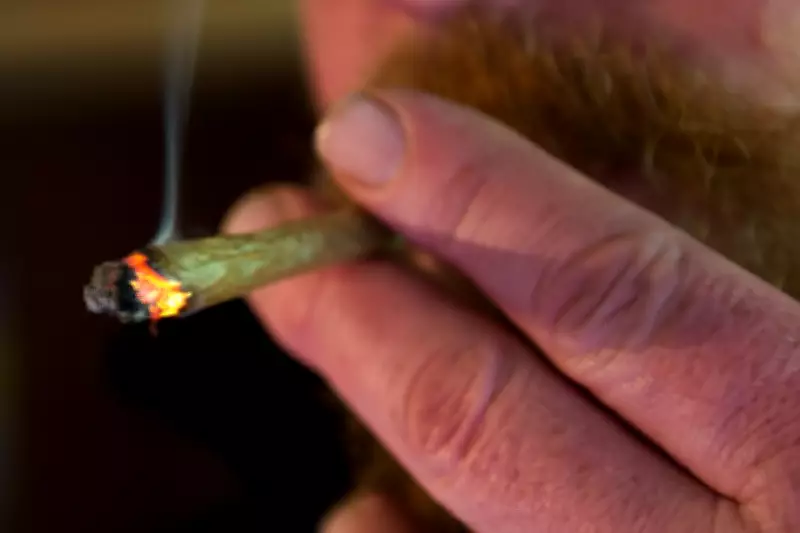
Nearly 13 percent of Americans are using medications or marijuana to help them fall asleep at night, new federal data reveals. Some 50-70 million Americans suffer from sleep disorders, according to the National Institutes of Health.
Rising Use of Sleep Aids
According to new reports from the U.S. Centers for Disease Control and Prevention, 5.2 percent of adults use prescription sleep medications, 5.7 percent use over-the-counter medications or supplements like melatonin, and 3.7 percent use marijuana or CBD products. These percentages are markedly higher than the agency’s first estimate of prescription sleep aid use in 2013, which showed that about 4 percent of adults aged 20 and older had used prescription sleep aids in the past month. That earlier research did not include cannabis products, which have gained popularity and legality in recent years.
The researchers did not suggest reasons for the increase, but the data reflect that Americans are struggling to get the federally recommended seven hours of sleep for optimal health. “These data suggest that people often self-medicate to alleviate sleep difficulties,” said Naima Covassin, an assistant professor of medicine at the Mayo Clinic, who was not involved in the new research. “This pattern parallels the trend in reported sleep difficulties, which have been increasing over time.”

Demographic Trends
Some trends have continued since the early 2000s. For example, both reports show women used prescription sleep aids more than men, although the new research found that the use of marijuana and CBD was similar for men and women. The use of any sleep aid increased with age, but the use of marijuana and CBD products for sleep declined with age. This time, researchers did not examine how prescription sleep aid use varied by sleep duration. In 2013, it was highest among adults who sleep fewer than five hours a night or more than nine hours.
The new data showed that three in 10 adults reported getting fewer than seven hours of sleep on average. One in six had trouble falling asleep, and one in five had trouble staying asleep. These findings build on past polling showing that more than half of Americans say they would feel better if they got more sleep. The National Institutes of Health says as many as one in three American adults do not get seven hours of uninterrupted sleep, and about 50-70 million Americans suffer from sleep disorders.
Mental Health and Sleep
Many sleep disorders are spurred by poor mental health, including depression and anxiety. Rates of both have been on the rise in the U.S., and stress and anxiety are commonly cited reasons Americans lose sleep, according to the American Academy of Sleep Medicine. Women are twice as likely to experience insomnia, according to Michigan Medicine, due to hormones and mood disorders. Women are also more likely to experience depression, says the non-profit Mental Health America.
Poor sleep does not just make you tired; over time, it has serious impacts on overall health. Poor quality sleep can contribute to chronic health problems such as heart disease, kidney disease, diabetes, stroke, and obesity. It is also linked to a higher risk of injury while driving and falls, the NIH notes. Getting poor quality sleep begets more poor quality sleep, creating a vicious cycle.
“Many Americans find themselves caught in a loop: Mental health conditions disrupt their sleep, and poor sleep worsens their mental health conditions,” said Jennifer Martin, a licensed clinical psychologist and past president of the American Academy of Sleep Medicine. “This cycle can lead to a range of health issues, beyond just daytime sleepiness. Insufficient sleep can impair cognitive function, affect mood, and diminish overall quality of life.”