Gardening enthusiasts know that summer brings a mountain of jobs, from tending to hanging baskets to ensuring potted varieties grow tall. While maintaining lawns is crucial year-round, it becomes even more important during spring and summer.
Despite the rising trend of 'no-mow May' aimed at boosting biodiversity, gardening legend Alan Titchmarsh chose not to embrace the movement. He stated: 'All gardens should have a bit of long grass, but it's how you garden that matters. If you're organic, as I have been for 40 years, and have a garden with lots of flowers, all types of wildlife will be happy.'
Writing for Country Life magazine, the celebrated British gardener revealed his straightforward lawn care routine, which he restricts to 'weekly mowing and fortnightly edging in spring and summer'. However, come June, he dedicates himself to one crucial task: feeding with fish, blood and bone fertiliser.

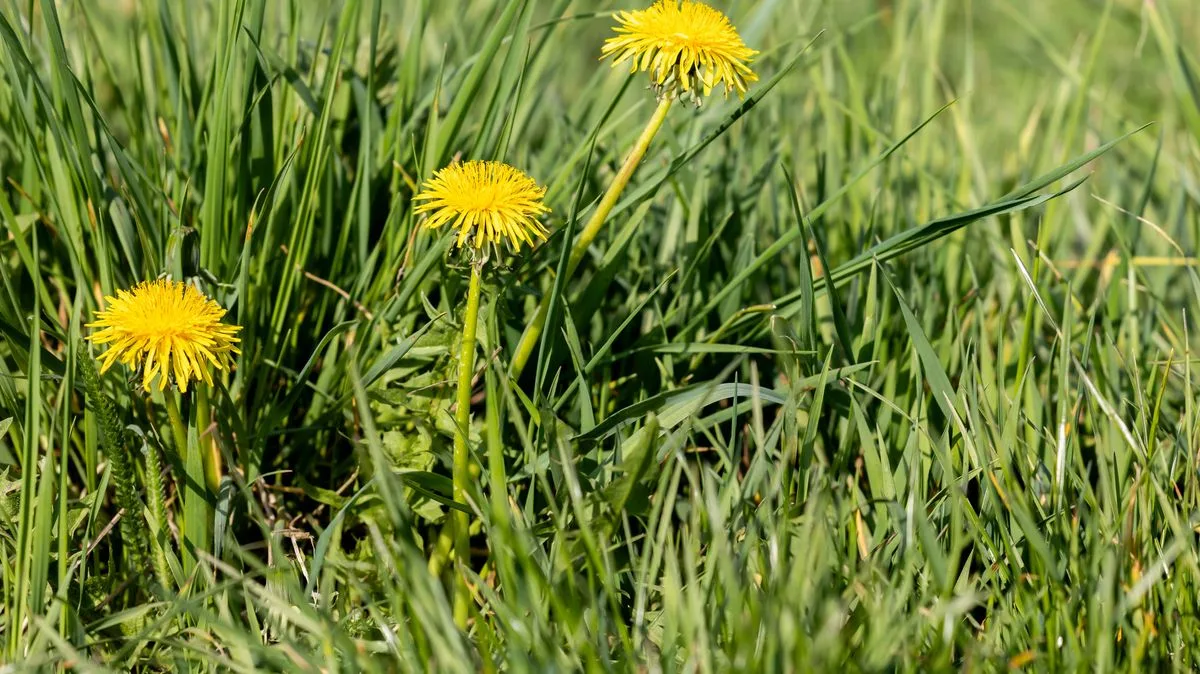
Alan remarked: 'I feed with the ubiquitous blood, fish and bone in April and again in June, and extract any large rosettes of plantain or dandelion with a daisy grubber.' This specific fertiliser replenishes lost nutrients, promoting vigorous grass growth. Instructions advise applying it uniformly at 70g/m2 as a top dressing, then watering with a gentle spray.
Alan, who also presents 'Love Your Garden', revealed he ditched chemical lawn feed and weed killers 'years ago', resulting in greater wildlife presence. He enjoys watching blackbirds extracting worms from his chemical-free lawn. For weed management, a daisy grubber can effortlessly extract large clumps.
Despite his organic approach, Alan still values a striped lawn. He explained: 'My rotary mower has a rear roller that produces the stripes I love, but, mercifully, the botanic-garden mixture of close-mown plants that constitutes my lawn offends my sensibilities not one jot.'