Deliciously Ella Founder Exposes Modern Wellness Industry's Shortcomings
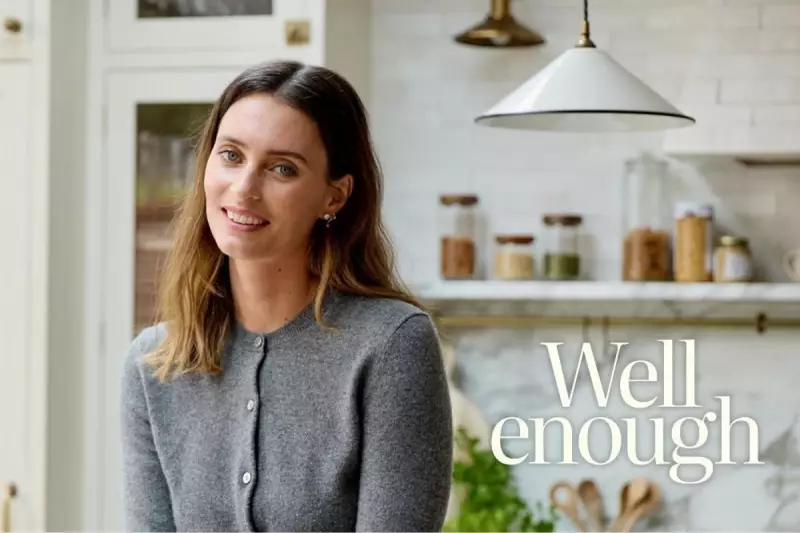
Ella Mills, the visionary behind the Deliciously Ella brand, has delivered a stark assessment of the contemporary wellness landscape she helped shape. Speaking on The Independent's Well Enough podcast, Mills contends that what began as an optimistic movement has transformed into a confusing, expensive, and often counterproductive multi-trillion dollar industry.
The Lost Foundations of Health
Mills observes a troubling paradox at the heart of modern wellness. "I don't think you can have a multi-trillion dollar industry that's grown at that speed when we're collectively getting more ill and say the wellness industry is a wild success," she states. "It's making a lot of money. I'm not really sure it's making enough people more well." This critique is grounded in concerning data trends, including declining vegetable consumption and the dominance of ultra-processed foods in modern diets.
The wellness pioneer recalls the early days of her brand, when social media fostered encouragement rather than correction. Today, she describes an environment of dogmatic shouting matches and contradictory advice that leaves consumers overwhelmed. "Wellness has become something to buy, rather than something to practise," Mills laments, noting how this shift creates confusion and anxiety rather than sustainable health improvements.

The Power of Gentle Habits Over Grand Gestures
Mills advocates for a fundamental reorientation toward what she terms "gentle habits" – small, repeatable actions that don't demand heroic willpower. "Eating super well this week will not do anything for your long-term health," she explains. "But small things every single day, for decades, will do enormous things for your health." This philosophy represents a direct challenge to the quick-fix mentality that dominates much wellness marketing.
These gentle habits might include adding one extra portion of plants daily, stirring lentils into familiar recipes, or implementing simple batch-cooking routines. "It's that idea of 1 per cent closer to your goal every day," Mills suggests. "It sounds like nothing, but over a year, you've gone miles." Crucially, these practices are designed to withstand the unpredictable nature of daily life, where rigid rules typically fail.
Practical Solutions for Real Life
Nowhere is Mills' practical approach more evident than in her discussion of evening meals, where many good intentions unravel. Her solution focuses on structure rather than discipline: loose meal plans, weekend shopping, and knowing exactly what's for dinner on busy weeknights. This thinking informs her latest book, Quick Wins, which features comforting, minimal-effort recipes designed for tired evenings rather than idealised wellness routines.
Examples include her "fancy beans on toast" – a ten-minute comfort dish with garlic, chilli, cherry tomatoes, butter beans, and fresh herbs – or simple one-tray bakes requiring just five minutes of preparation. "That's the middle of the Venn diagram for me – it has to be delicious, easy and genuinely nourishing," Mills emphasises.
Beyond Food: A Holistic Yet Modest Approach
While food remains central, Mills stresses that stress management, sleep, movement, community, and rest are equally vital pillars of wellbeing. She champions unglamorous but powerful practices like regular walking and creating morning buffers of quiet time before engaging with digital devices.
Her personal routines reflect this pragmatism: a non-negotiable breakfast, ten minutes of morning quiet (whether through breathwork or simply drinking coffee in silence), and avoiding social media until after morning responsibilities are complete. When scrolling became unavoidable during her commute, she made a simple switch: "I swapped Instagram for Netflix," she reveals. "It doesn't sound inherently positive, but it's been great. I'm not comparing myself. I'm not going into a fear hole. It's escapism."

The 'Well Enough' Philosophy
At the core of Mills' current advocacy lies what she calls the "well enough" mindset – a compassionate alternative to perfectionistic optimization. "You can always do more," she acknowledges. "But if you're constantly telling yourself you're not doing enough, it's not really worth it." Her only true non-negotiable isn't a specific food rule or fitness target, but rather this self-compassionate perspective.
For those contemplating New Year's resolutions or lifestyle changes, Mills offers disarmingly simple advice: "If there's something you want to do this year, ask yourself if you can imagine doing it – not perfectly – but most weeks, for the next 10 years." If the answer is no, she suggests not bothering with that particular change.
The real wellness breakthrough, Mills believes, isn't found in optimization or expensive products, but in consistency, kindness, and the quiet confidence of knowing you've done enough. This represents both a critique of the industry she helped create and a hopeful pathway toward more sustainable, accessible wellbeing for all.