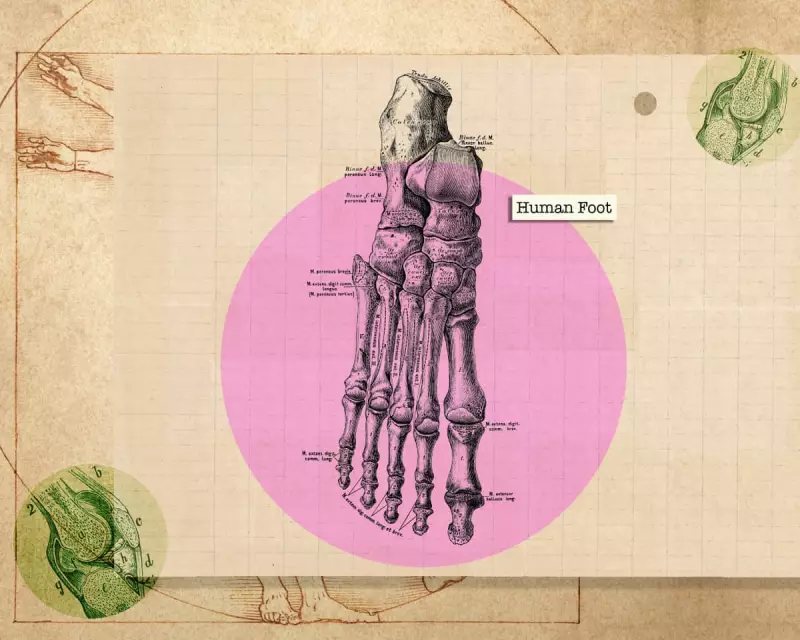
We diligently book dental check-ups and fret over skin care, yet one crucial part of our anatomy remains largely forgotten: our feet. According to experts, this neglect is a significant oversight, given that about one quarter of all the bones in the human body are located in the feet.
The Forgotten Foundation
Hylton Menz, a professor of podiatry at La Trobe University in Melbourne, observes that we often ignore our feet compared to other body parts. "We probably ignore our feet relative to other parts of our body, because we stick them in shoes and they’re a long way away," he says. The problem, he notes, is that we typically only pay attention when pain strikes and our feet stop functioning properly.
This complex structure, comprising 33 joints and over 100 tendons and ligaments, is a marvel of engineering that bears our entire body weight. Yet, it is frequently treated with disregard until something goes wrong.

Choosing Footwear for Health, Not Just Fashion
The intersection between fashion and foot health is notoriously small. Physiotherapist Dr Jillian Eyles from the University of Sydney advises prioritising health over style. "Stuffing your feet into pointy-toe shoes and wearing high heels all the time is probably not going to be great for your feet and your ankles," she warns.
Professor Menz emphasises that the right shoe should be shaped like your foot—a seemingly obvious point that many footwear designs ignore. Shoes should bend at the ball of the foot for comfort. However, comfort can be deceptive. For older adults, a thick, soft sole might feel comfortable but can be unstable and increase fall risk. A thinner, firmer sole with a slip-resistant grip is a safer choice.
Dr Kathryn Mills, a physiotherapist from Kensington Physiotherapy and Macquarie University, highlights seasonal dangers. She recalls the worst ankle injury she ever saw: a young woman in four-inch heels who fell while inebriated. Mills recommends having multiple pairs of shoes for different activities and rotating them to vary the stress on your feet.
Weight Management and Foot Strength
Maintaining a healthy weight is critical for foot health, both for mechanical and metabolic reasons. Professor Menz explains the link: "There’s really good evidence now that adipose tissue – fat tissue – is active stuff... so there’s a really strong link between foot pain and being overweight."
Just as we exercise other muscles, our feet need conditioning too. Associate Professor Natalie Collins, a sports and exercise physiotherapist at the University of Queensland, suggests simple exercises. "Even some simple things, like trying to form an arch with your foot, so keeping your toes on the ground and trying to lift up your arch, helps to engage those deeper muscles," she says. Calf raises are also beneficial for strengthening the foot, ankle, and lower limb.
Dr Mills adds two more useful activities: scrunching a towel into a ball using your toes, and practising moving your big toe independently about half a centimetre away from the other toes and back. These movements strengthen the intrinsic muscles vital for balance and stability.
In conclusion, our feet deserve the same proactive care we give the rest of our body. By choosing sensible footwear, managing our weight, and performing simple strengthening exercises, we can support the complex foundation that carries us through life and keep it pain-free for longer.