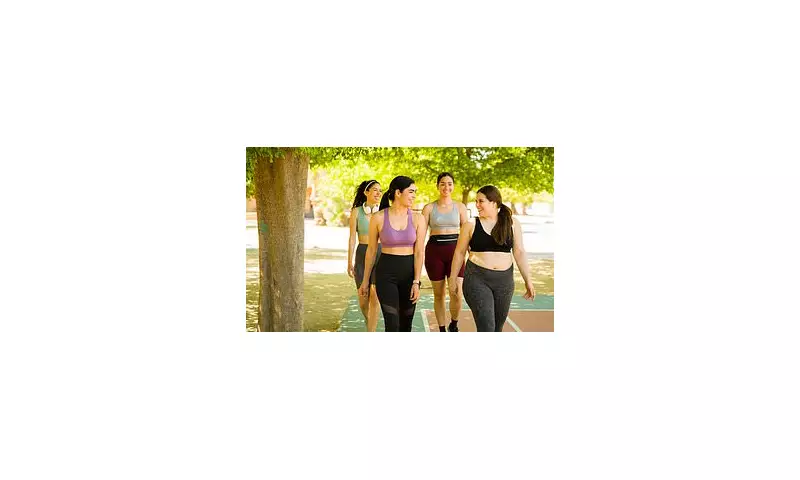
January traditionally sparks a surge in fad diets, costly spa retreats, and ambitious teetotal pledges. Millions across Britain launch into the New Year with vigorous intentions—hitting the running trails, lifting weights, or sweating in saunas. Yet, as February looms, these well-meaning habits frequently dwindle. Research confirms that most individuals who adopt rapid weight-loss schemes ultimately fail to maintain their results or routines. Studies indicate that by January's end, a staggering 88 percent of people have entirely abandoned their health goals.
Expert-Backed Strategies for Sustainable Wellness
While cancelling overzealous gym contracts or marathon plans might be prudent, experts emphasise that simple, sustainable methods exist to enhance health without strain or expense. We consulted top longevity specialist Jessica Kane, co-founder of supplement brand BodyBio, for her daily, no-cost practices that promote energy, fitness, and youthfulness. From grounding techniques to mindful breathing, discover six everyday activities that can swiftly boost your wellbeing—without draining your wallet.
Embrace Morning Sunlight for Better Sleep
Amid the morning scramble to shower, eat, dress, and commute, many overlook a vital component of a healthy routine: sunlight. Exposure to natural light upon waking is crucial. Research demonstrates that just five minutes of morning sun on your face can enhance sleep quality and reduce stress and depression. This effect stems from light's role in calibrating the body's internal circadian clock, promoting healthier sleep patterns by distinguishing day from night.

American studies reveal that individuals exposed to brighter light between 8am and noon fall asleep faster and experience fewer nocturnal disturbances than those with dim morning exposure. Beyond sleep, sunlight enables Vitamin D synthesis, essential for bone health by aiding calcium absorption. Deficiency can lead to soft bones in children (rickets) or brittle bones in adults (osteoporosis). While calcium is diet-sourced, Vitamin D is scarce in foods, making sunlight exposure key.
Jessica Kane advises: "Get your eyes in natural light first thing—ideally within 30 minutes of waking, without windows or sunglasses. Daylight, not necessarily sunshine, for a few minutes can reset your circadian rhythm, improving sleep, hormone balance, energy, and metabolism."
Post-Meal Strolls Regulate Blood Sugar
After a substantial meal, a walk might seem unappealing, yet even a brief stroll offers significant health advantages. Kane explains: "A short 5 to 10 minute walk after eating helps regulate blood sugar, supports digestion, and reduces inflammatory spikes. It's a simple metabolic booster without formal exercise."
A 2022 University of Limerick study supports this, showing post-meal walks lower blood sugar and type 2 diabetes risk. Optimal timing is 60 to 90 minutes after eating, when blood sugar peaks, allowing muscles to utilise food fuel. Aim for 15 minutes, though even two to five-minute "mini walks" provide benefits. Additional research confirms that brief movement aids digestion and enhances daily calorie burn and metabolism.
Switch to Nasal Breathing for Calm and Health
Mouth breathing, affecting nearly half the population, is linked to sleep disruption and snoring. Emerging research suggests it may also elevate risks of obesity, dementia, arthritis, and certain cancers, possibly due to mouth dryness fostering harmful bacteria. Conversely, nasal breathing offers distinct benefits.
Kane notes: "Nasal breathing improves oxygen efficiency and calms the nervous system. A daily walk with nose breathing can reduce stress and support cardiovascular health." For those struggling, alternate nostril breathing is a simple exercise: sit relaxed, cover the right nostril, inhale and exhale through the left, then switch. Repeat twice daily. Advocate Hillary Clinton practices this daily for stress reduction.
Grounding: Connect Barefoot with Nature
Standing barefoot on grass, sand, or soil—termed grounding—may sound unconventional, but experts claim it soothes the nervous system, reduces stress, and improves sleep. Kane states: "Modern life insulates us from earth; reconnecting briefly appears to have real physiological benefits."

While scientific backing for electron-neutralising claims is limited, the NHS and Mind recommend grounding techniques like walks for managing flashbacks or PTSD. Research indicates potential benefits for chronic inflammation, stress, and sleep, possibly from outdoor time. Enthusiasts include actress Naomie Harris, who uses it for jetlag, and Gwyneth Paltrow.
Screen-Free Meals Aid Digestion and Weight
Removing screens during meals can significantly improve health. Studies link phone use while eating to 15 percent higher calorie intake and more fatty food consumption. A 2016 study found phone users during lunch felt more tired afterwards than walkers or readers, possibly due to mental strain or physical discomfort.
Kane emphasises: "How you eat matters as much as what you eat. Slowing down without screens activates the 'rest and digest' system, enhancing digestion, nutrient absorption, and appetite regulation." Broader smartphone reduction also benefits mental health; a 2022 study found cutting use by an hour daily reduces anxiety, boosts life satisfaction, and increases exercise. Prior research ties excessive use to obesity, neck pain, and addictive behaviours.
Reinstate a Consistent Bedtime Routine
Sleep profoundly impacts health, with insufficiency linked to hypertension, heart disease, dementia, and depression. Adults typically need seven to nine hours nightly, yet 70 percent of Britons fall short, averaging just 6 hours 24 minutes, and 7.5 million get under five hours.
Kane recommends reinstating a bedtime routine: "A consistent evening ritual—dimming lights, avoiding screens, or a calming habit—signals your body to rest. Quality sleep rapidly improves immunity, mood, and overall health at no cost." A recent study found regular bedtimes reduce early death risk by 20 percent.
By integrating these six accessible, cost-free habits, you can transcend the fleeting nature of January resolutions and cultivate lasting wellness throughout the year.