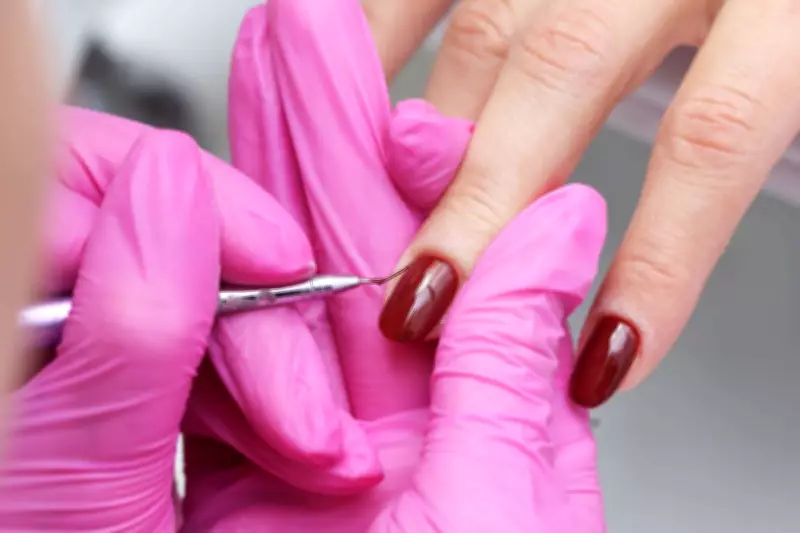
The Hidden Dangers of Gel Manicures: Expert Insights on Nail Health
For many individuals, a gel manicure has become a regular beauty ritual, akin to scheduling a haircut. This popular treatment offers a durable, chip-resistant finish that can last up to three weeks, providing a polished look with minimal maintenance. However, beneath the glossy surface lies a pressing concern: are gel manicures secretly harming our nails over time?
Understanding the Risks Behind Gel Manicures
Margaret Dabbs OBE, a renowned podiatrist and founder of the luxury beauty brand Margaret Dabbs London, suggests that the truth about gel manicures is nuanced. She explains that the potential damage often stems not from the gels themselves, but from how they are applied, the quality of products used, and critically, the removal process.
"There are numerous alarming accounts related to gel manicures," Dabbs notes, "including incidents from both salon and at-home treatments that have led to inflammation, increased sensitivity around the nail and cuticle, infections, and significant nail damage." She emphasises that factors such as application technique, product ingredients, and removal methods play a pivotal role in determining nail health outcomes.

Why Gel Manicures Can Weaken Nails Over Time
Gel and builder-in-a-bottle (BIAB) manicures involve a preparation stage where nails are buffed to ensure proper adhesion, followed by curing under UV or LED lamps. Removal typically requires soaking in acetone and gently scraping away the softened layers.
"Gel and BIAB manicures can compromise nail strength due to the preparation and removal stages," Dabbs clarifies. "Over-buffing, exposure to acetone, and aggressive scraping strip natural oils and damage the keratin layers, leaving nails thin, dry, and susceptible to peeling." When this cycle repeats every few weeks without adequate breaks, nails lack the opportunity to recover, potentially becoming paper-thin, brittle, and more sensitive with age.
How Often Is Too Often for Gel Manicures?
While there is no strict guideline on safe frequency, Dabbs warns that consecutive gel applications without downtime can initiate problems. "To reduce damage, always opt for professional removal, incorporate regular breaks, and nourish nails daily," she advises. Even a brief hiatus of a couple of weeks between sets can be beneficial, during which hydration is crucial. Using a quality cuticle oil can restore flexibility and comfort to both nails and surrounding skin.
The Most Destructive Habit: Peeling Off Gel
One of the most harmful practices is picking or peeling off gel polish, especially when edges lift. This action removes layers of the natural nail along with the product, leading to uneven surfaces and fragility.
Dabbs advocates for a gentler approach: "I recommend adopting gentle nail care practices. Avoid aggressive filing, abrasive tools, acetone-based removers, or metal gel removal techniques." Peeling might offer instant gratification, but it sets off a damaging cycle that hinders future adhesion of polish or treatments. For at-home removal, patience is key—thorough soaking and careful easing of the product are safer than forceful methods, though professional assistance is often preferable to minimise acetone exposure.
Safer Alternatives for Long-Lasting Nails
For those who admire a polished appearance but wish to avoid gel-related wear, Dabbs suggests several alternatives. Upgrading basic tools is essential: "Replace emery board files with high-quality crystal nail files to promote healthy growth and prevent splitting," she says. Hydration remains vital; keeping the nail bed and cuticles moisturised supports strong, healthy nails.
When using polish, selecting a base coat that enhances nail growth and strength can make a difference. Additionally, being mindful of ingredients is important. Dabbs highlights that some traditional nail formulas contain chemicals like trimethylbenzoyl diphenylphosphine oxide (TPO), which has been banned in the EU due to safety concerns but remains unregulated in the UK.
By prioritising proper techniques, regular breaks, and nourishing care, individuals can enjoy beautiful nails while mitigating the risks associated with gel manicures.