As the days grow shorter and the temperature drops, millions across the UK find their mood dipping in tandem. This phenomenon, known as Seasonal Affective Disorder (SAD) or the winter blues, is a recognised condition that the NHS acknowledges can significantly impact wellbeing. In a special edition of her Well Enough newsletter, writer Emilie Lavinia explores her personal battle with SAD and the practical, science-backed strategies she used to reclaim her winter months.
The Root Causes of the Winter Slump
While the exact mechanisms behind SAD are still being unravelled, researchers point to a perfect storm of factors that converge during the colder months. The primary culprit is the decreased exposure to sunlight, which leads to reduced synthesis of vitamin D in the body. This lack of light can also disrupt our circadian rhythms, affecting sleep patterns and hormone regulation.
Compounding this is the unique stress of the festive season, which can lead to burnout, and a frequently overlooked component: gut health. Emilie notes that after consulting with numerous gut health scientists and nutritionists, the adage that the gut is our 'second brain' began to make profound sense in the context of her mood.

Gut Health: The Foundation of a Stable Mood
The link between what we eat and how we feel is more than just anecdotal. Dr Azadeh Ovaici, a gut health expert, explains the direct correlation. "Mood and anxiety are directly correlated with hormones and chemical changes inside the body," she states. An intake of prebiotics can increase serotonin levels, reduce inflammatory markers, and alter the gut's microbiome, ultimately lowering the production of stress hormones like catecholamine.
For Emilie, addressing this meant a focus on addition, not restriction. Her approach included consuming at least 30 different plants per week, incorporating legumes, and using quality supplements to fill nutritional gaps—particularly vitamin D, which is nearly impossible to obtain in sufficient quantities from diet alone during a British winter.
Harnessing Light and Prioritising Sleep
With sunlight being scarce, creating a consistent sleep schedule becomes a non-negotiable tool for mood regulation. Emilie developed a nightly ritual involving a sunset simulator, breathwork, yoga nidra, and frankincense oil to signal to her body that it was time to wind down. Waking at the same time each day and seeking morning light was the next crucial step.
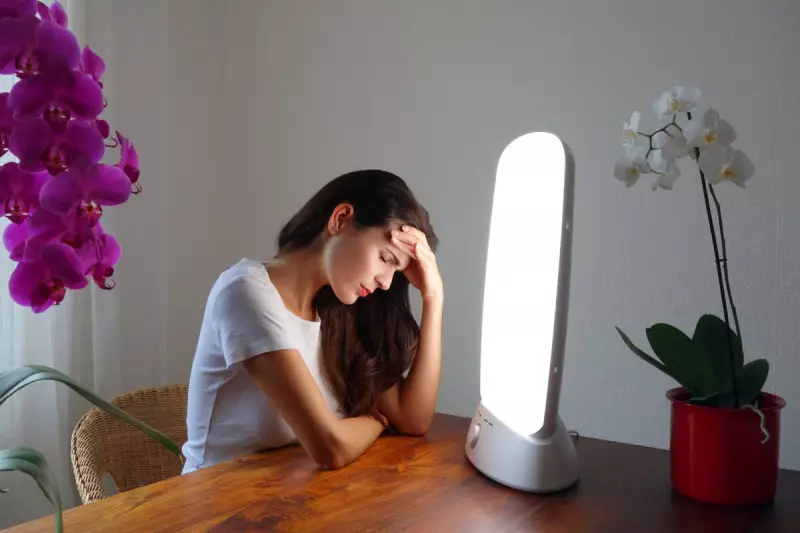
For those gloomy, cloud-covered days, she is a proponent of SAD lamps, specifically mentioning her Lumie Task model. Using it first thing in the morning while preparing for the day can help simulate the missing sunlight and reset the body's internal clock, counteracting one of SAD's primary drivers.
A Holistic Toolkit for Winter Wellness
Emilie's strategy is holistic, combining diet, light, and sleep with other supportive habits. She advocates for regular exercise to boost endorphins and time in a sauna to help lower inflammation. While she also takes specific herbs and compounds to support brain and cellular health, she emphasises that these are part of a broader lifestyle approach, not isolated solutions.
Her concluding advice is compassionate and practical. She encourages anyone feeling low to audit their habits—both internal and external. If festive drinking increases, balance it with more plants and gut-supporting supplements. If working from home reduces movement, commit to a daily walk. Try a regular bedtime, use a SAD lamp, or introduce one new mood-supporting supplement. The goal isn't perfection, but implementing at least one positive change to provide a lift and lessen the grip of the winter blues.
The full insights from Emilie Lavinia's journey are available in the Well Enough newsletter, which delves into topics of wellbeing and mental health with practical tips from experts. Readers can sign up via The Independent's website or listen to the accompanying Well Enough podcast for deeper dives into living a happier, healthier life.