For those with fair, freckled skin like mine, the spectre of skin cancer is a constant, low-level worry. Despite a lifelong commitment to high-factor SPF and a near-total avoidance of sunbeds, I knew that getting my numerous moles professionally checked was a gap in my health regime. The perceived barrier? Cost. I feared an initial scan would be just the start, leading to thousands in removal fees. Recently, I finally took the plunge for my first-ever mole mapping at Adare Dermatology in London – and the experience completely changed my perspective.
What Exactly Happens During a Mole Mapping Scan?
My appointment at Adare's new Chelsea clinic with dermatologist Dr Cristina Davey began with an in-depth consultation. We discussed not only my personal health history but also my family's, as genetics significantly influence skin cancer risk. Crucially, she asked about modifiable factors like past sunbed use and serious sunburns, both of which dramatically increase melanoma risk.
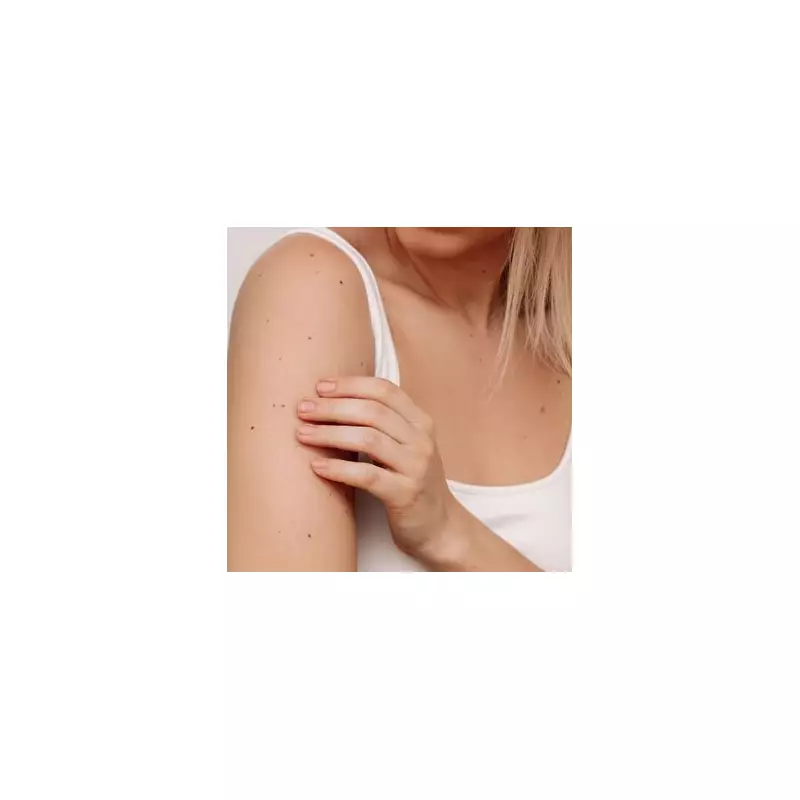
The mapping itself involved undressing to my underwear and lying on a bed. Using a high-tech camera, Dr Davey meticulously examined every single mole and freckle across my entire body, including areas like the soles of my feet and skin under clothing lines. As someone exceptionally "mole-y," she remarked I likely had the most she'd ever seen. The process was thorough yet completely comfortable, taking around 20 minutes.

The most surprising revelation came next. Despite my vast collection of moles, none required immediate removal. Three were photographed for future monitoring, but they weren't the ones I would have suspected. However, due to the sheer volume, I was categorised as having a moderate lifetime risk of developing melanoma. Dr Davey's firm recommendation was to have annual scans from now on for vital peace of mind.
The Crucial Link Between Private Checks and the NHS
One of the most significant facts I learned concerns follow-up care. If a private dermatologist identifies a mole of concern, they may suggest a biopsy or removal. However, Dr Cristina Davey explained this doesn't automatically mean more private fees.
You can take the results and photographs from your private mole mapping to your GP. By explaining that a specialist has identified a potential cancer risk, you can request a 'two-week wait referral' (2WW) to see an NHS dermatologist. This pathway means the initial cost of private mapping is the main expense, with any necessary subsequent treatment potentially covered by the NHS.
Expert Advice on Prevention and Self-Checks
Beyond professional scans, dermatologists stress daily prevention. Wearing SPF 30 or higher on all exposed skin, every single day, is non-negotiable, even in the British winter. Dr Davey also delivered a stark warning against sunbeds, noting that just one use before age 35 increases melanoma risk by 59%. She highlighted that in Australia, where she also practised, they are banned and classed alongside tobacco and asbestos.
For at-home monitoring, the ABCDE checklist is essential for tracking changes:
- A for Asymmetry
- B for irregular Borders
- C for uneven Colour
- D for increasing Diameter
- E for Evolution or change
My mole mapping at Adare Dermatology cost £300 for the full-body scan. For those seeking a more targeted option, Boots offers a high-street service from around £40 for one mole. Ultimately, the investment in a professional check provided invaluable clarity, debunked my cost fears, and established a simple, life-saving monitoring plan. Winter, when sun exposure is lowest, is the perfect time to book yours.