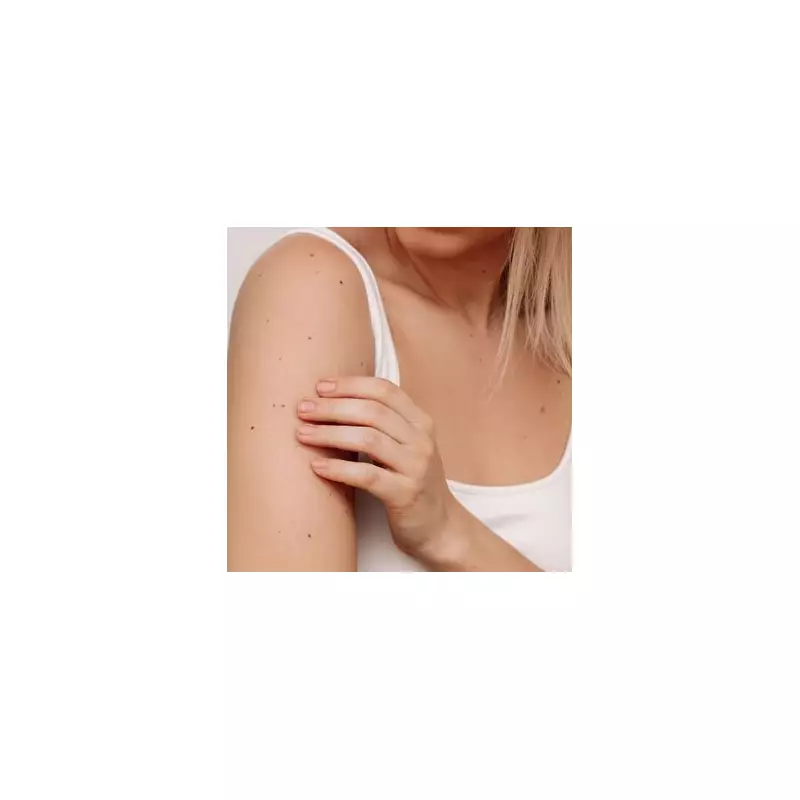
As a fair-skinned individual covered head-to-toe in freckles and moles, I've long been aware of the need for vigilant sun protection. I wear SPF 30 daily, even in winter, and have avoided sunbeds for over 15 years. Yet, one crucial step I'd always avoided was a professional mole check, primarily due to fears about the cost.
Confronting the Fear of Cost at the Clinic
I assumed a full-body scan would be expensive, and I was terrified that the subsequent bill for removing 'dangerous' moles would run into thousands. This fear kept me from booking an appointment for years. However, during my first-ever mole mapping session at Adare Dermatology in London's Chelsea, I discovered the reality was far less daunting.
My appointment with Dr Cristina Davey began with a detailed consultation covering my personal and family health history. Genetics are a factor, but so are modifiable risks like sunbed use and serious sunburn – honesty here is vital.

What Does the Mole Mapping Process Involve?
The scan itself was thorough and painless. After changing into my underwear, I lay on a bed while a high-tech camera examined every single mole and freckle, including areas like the soles of my feet. Dr Cristina remarked that I likely had the most moles she had ever seen. The entire process took around 20 minutes.
Given the sheer volume, I braced for bad news. Surprisingly, not a single mole required immediate removal. Three were photographed for future monitoring, but none were deemed an urgent risk. The key takeaway was a recommendation for annual scans due to my high mole count putting me at a moderate risk for melanoma.
The Surprising NHS Pathway for Follow-Up Care
One of the most enlightening facts I learned was about the 'two week wait referral (2WW)'. Dr Cristina explained that if a private scan identifies a suspicious mole, you can take the results and images to your GP. By stating a dermatologist has identified a potential cancer risk, you can request this urgent NHS referral to a specialist.
This means the initial private mapping cost – £300 at Adare Dermatology – could be the only significant expense, with any necessary biopsies or treatments handled by the NHS. High-street options like Boots also offer scans from £40 per mole.
Expert Advice on Reducing Melanoma Risk
Dr Cristina stressed non-negotiable sun safety measures. Daily high-factor SPF (30-50) on all exposed skin is essential, even in winter. She also delivered a stark warning on sunbeds: 'Using them just once before 35 increases melanoma risk by 59%'. In Australia, where she also practised, they are banned and classed alongside tobacco and asbestos.
Skincare can also play a protective role. A morning vitamin C serum (15-20%) helps combat sun damage, while evening retinoids speed up cell turnover, shedding potentially damaged cells.
Regular self-checks using the ABCDE method are crucial:
- Asymmetry: Mismatched halves.
- Border: Blurred or jagged edges.
- Colour: Uneven or patchy colouring.
- Diameter: Growth in size.
- Evolution: Any change in size, colour, or texture, or if it bleeds.
My experience proved that proactive skin health is accessible. The peace of mind from a professional check is invaluable, and understanding the pathway to NHS care makes it a financially manageable part of long-term wellness.