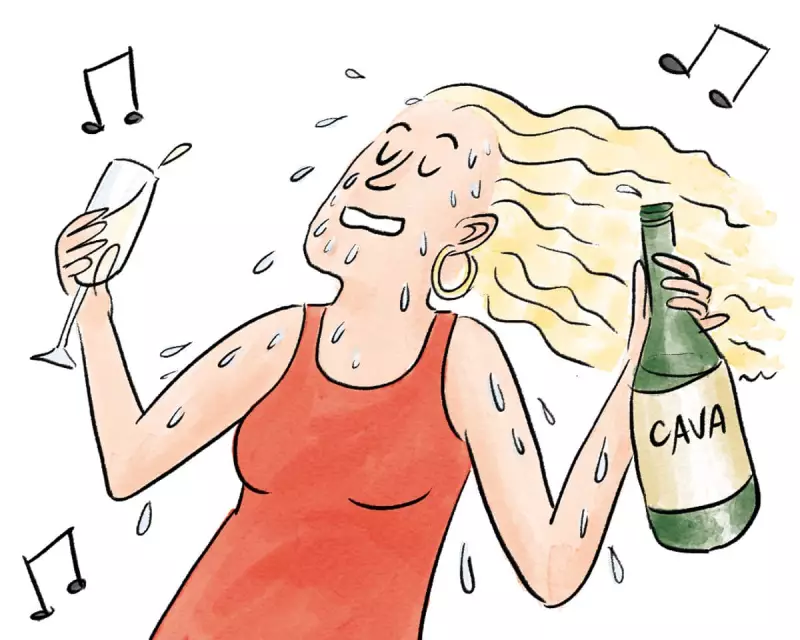
It's a familiar scene for many after the festive season: a relative boasts about 'sweating out' their Christmas party hangover with a morning run or a sauna session. But according to medical science, this popular belief is fundamentally flawed. The body processes the byproducts of alcohol in one specific organ, and it's not the skin.
The Liver's Role: Your Body's Detox Powerhouse
Professor Adam Taylor, an anatomy expert at Lancaster Medical School, clarifies that the term 'toxins' encompasses a wide range of harmful substances, from heavy metals to metabolic waste. When it comes to alcohol, however, the liver has a dedicated and irreplaceable function. It is designed to process the compounds in alcoholic drinks, breaking them down into usable units or preparing them for elimination. The resulting waste is then filtered from the bloodstream and excreted through urine or stools.
Sweat serves an entirely different purpose. Its primary job is to regulate body temperature and, in some cases, signal stress. While it may contain minuscule traces of metabolic byproducts, it is not a vehicle for significant detoxification. "Sweating is not the means to remove toxins," states Professor Taylor. "Going for a run or sitting in a sauna after a night of drinking won't reduce the toxins produced by metabolising alcohol, and it won't lower your blood alcohol level."

Why Exercise Feels Good (And What It Really Does)
If sweating doesn't purge toxins, why does physical activity often make a hungover person feel better? The answer lies in symptom management, not accelerated detox. Activities like gym workouts or sauna visits are known to boost endorphins, the body's natural 'feel-good' chemicals. They can also reduce levels of cortisol, a stress hormone that contributes to feelings of anxiety and being on edge.
Furthermore, these activities improve circulation, help relax tight muscles, and stimulate the parasympathetic nervous system – often called the 'rest and digest' system. This combination can make the process of recovery feel easier and more manageable, but it does not speed up the liver's work. The rate at which each person metabolises alcohol is fairly fixed, and there is no proven way to hasten it.
The Critical Warning: Prioritise Hydration
For those who still choose to engage in sweaty activities while hungover, Professor Taylor issues a crucial warning about hydration. "Alcohol depletes water from the body, and sweating increases fluid loss, raising the risk of dehydration and tissue inflammation," he explains. Replenishing lost fluids is therefore an absolute priority to avoid compounding the physical stress of a hangover with the serious effects of dehydration.
In summary, the next time someone claims they've sweated out their hangover, you can confidently correct them. The liver is the sole hero in processing alcohol's after-effects. While a workout might lift your mood and ease some physical discomfort, it's merely treating the symptoms, not curing the cause.